
Worthy vs Wind and Watertight Containers: Understanding Used Container Grades
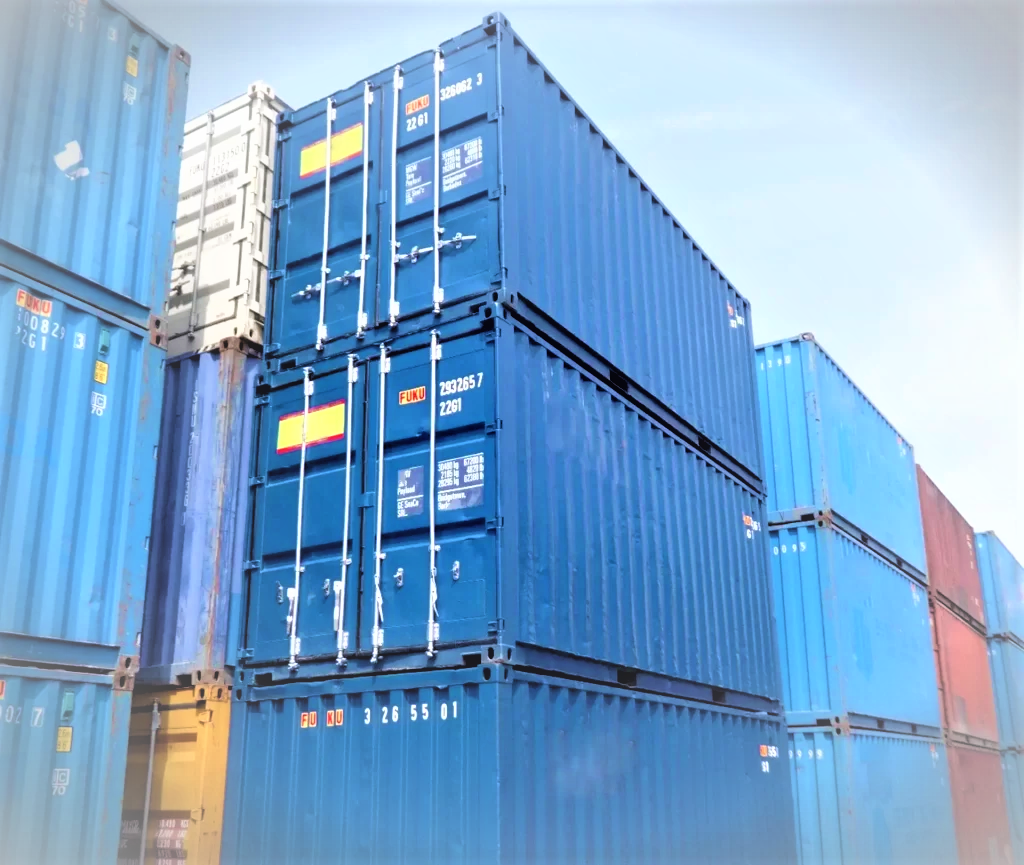
Understand the practical differences between cargo-worthy, wind and watertight, and storage-class containers before choosing a used unit.
Cargo-Worthy vs Wind and Watertight Containers: Understanding Used Container Grades
Used shipping containers are often advertised as cargo-worthy, wind and watertight, or storage-class. These descriptions can help buyers narrow their options, but they should not be treated as identical guarantees.
Condition labels may also be applied differently by different sellers. Always review the written product description, photographs, inspection details and intended use before ordering.
What Does Cargo-Worthy Mean?
A cargo-worthy container is generally considered structurally suitable for cargo transport at the time it is assessed. Buyers intending to use a unit for international or intermodal shipment should confirm the specific inspection and documentation required by the carrier, terminal and destination.
The sales description alone does not guarantee that a container is currently accepted for export. Ask whether the unit has a valid safety approval plate, whether an inspection is required, and whether repairs or recertification are needed before shipment.
CargoVault lists transport-oriented options such as a 20ft used cargo-worthy dry van and a 40ft used cargo-worthy dry van.
What Does Wind and Watertight Mean?
Wind and watertight, commonly shortened to WWT, generally describes a used container intended to keep ordinary wind and rain from entering when the doors are closed. A typical condition check looks for holes, significant roof damage, functioning doors and usable seals.
WWT units are often selected for stationary storage. They may show dents, surface rust, patches, faded paint and other cosmetic wear from prior service.
A WWT description does not by itself mean that the container is approved for international cargo transport. Buyers who only need on-site storage can compare options such as a 20ft used wind and watertight container or available 40ft used containers.
What Is a Storage-Class Container?
Storage-class is a seller-defined description rather than one universal industry grade. It commonly refers to a container offered primarily for stationary storage, but its appearance and repair history can vary.
Before buying, ask the seller to state what storage-class means for that particular unit. Confirm whether it is wind and watertight, how the doors operate, whether the floor is serviceable and whether any known defects affect your planned use.
Quick Comparison
| Condition Description | Common Intended Use | What the Buyer Should Confirm |
| Cargo-worthy | Cargo transport or secure storage | Current inspection status, safety plate, carrier requirements and repair needs |
| Wind and watertight | Stationary storage | No active leaks or holes, working doors, usable seals and floor condition |
| Storage-class | Budget-conscious stationary storage | Seller’s written definition, weather resistance and all material defects |
Appearance Is Not the Same as Structural Condition
A container with faded paint and surface dents may still be useful for storage, while a freshly painted unit may have repairs that deserve closer review. Evaluate function before appearance.
Important areas to check include:
● Roof, walls and welded repairs
● Corner posts and corner castings
● Cross-members beneath the floor
● Door hinges, locking bars and handles
● Rubber door seals
● Interior floor condition and odors
● Signs of standing water or active leakage
● Evidence of severe corrosion
● Container identification and safety plate, when relevant
If you cannot inspect the unit in person, request current photographs or a written condition report for the actual unit or agreed grade.
Match the Grade to the Job
Choose cargo-worthy when transport is planned and the required inspections and approvals can be confirmed. Consider WWT for general on-site storage where protection from ordinary weather is the priority. Consider storage-class only after the seller clearly defines its condition and the unit meets your specific needs.
For projects where appearance, clean interiors and minimal prior wear matter, a new or one-trip container may be more suitable. CargoVault’s buyer’s guide explains additional points to consider when selecting size and condition.
Ask for Details, Not Just a Label
The best buying decision comes from matching the actual unit to its intended purpose. Tell the supplier whether you need export use, construction-site storage, farm storage, business inventory or a future conversion.
Explore CargoVault’s used shipping containers, then request a custom quote with your preferred size, condition, delivery ZIP code and intended use.