
Shipping Container Security: How to Protect Your Container and Stored Goods
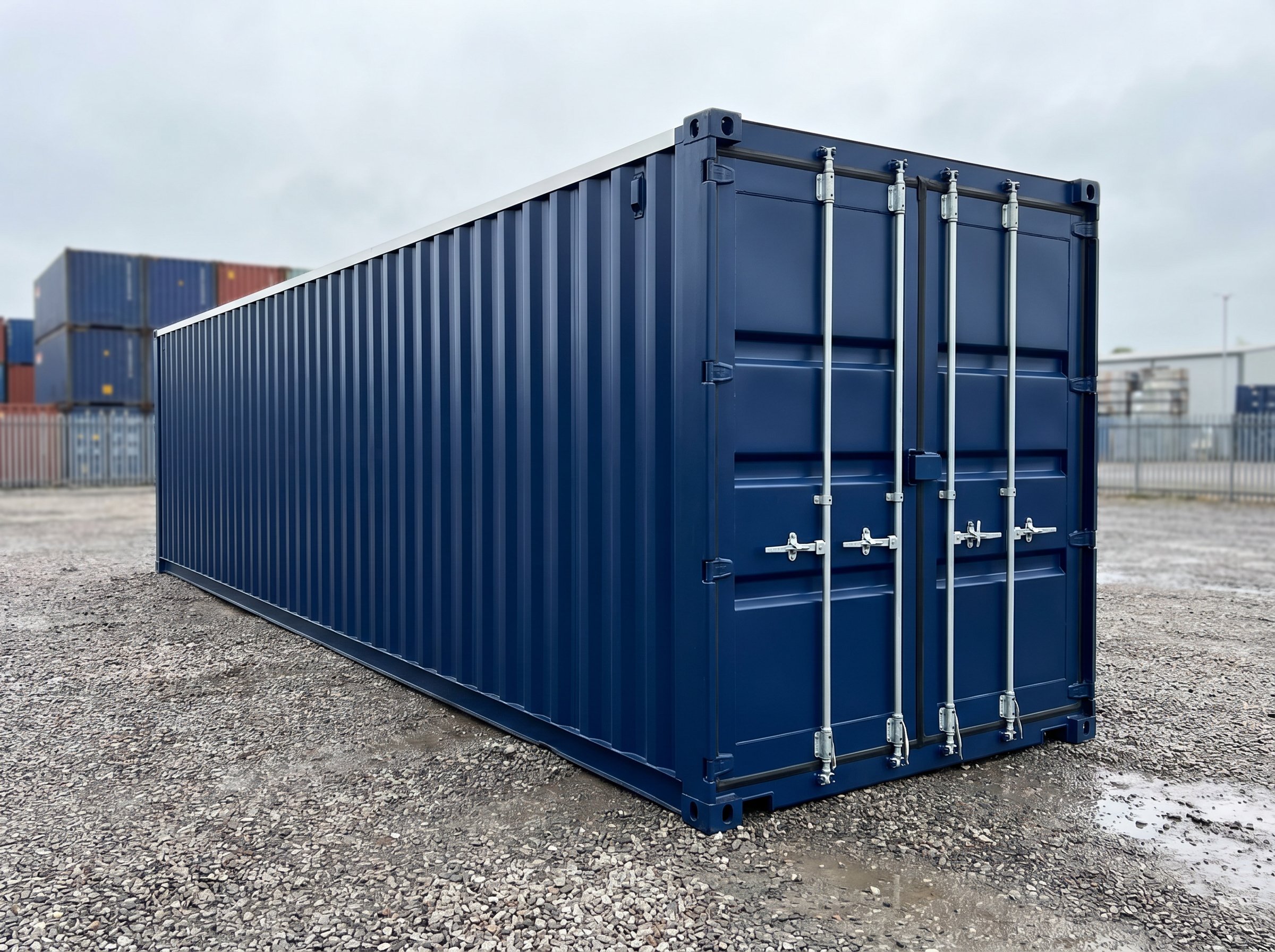
Learn how to improve shipping container security with heavy-duty locks, lockboxes, lighting, cameras, access control and practical site security measures.
Shipping containers are built from heavy-duty steel, making them a popular choice for storing equipment, tools, inventory, construction materials, and personal belongings. However, a strong steel structure alone does not guarantee complete security.
The right combination of shipping container locks, lockboxes, security accessories, site preparation, lighting, cameras, and access control can significantly improve shipping container security.
Whether you’re using a container at home, on a construction site, or for commercial storage, these practical measures can help protect your shipping container and the goods stored inside.
1. Start With a Secure Shipping Container
Good container security begins with the condition of the container itself.
Before purchasing a shipping container for sale, inspect important security points including:
- Cargo doors
- Locking bars
- Hinges
- Door seals
- Container walls
- Roof
- Floor condition
- Locking points
Used shipping containers can still provide excellent secure storage, but damaged doors, hinges, or locking components should be repaired before valuable equipment or inventory is stored inside.
Customers looking for a newer container with minimal previous use may prefer a one-trip shipping container, which can be an attractive option for long-term residential or commercial storage.
2. Install a Shipping Container Lockbox
A shipping container lockbox is one of the most useful physical security upgrades for a storage container.
A lockbox is a steel enclosure installed around the container’s padlock area. It helps shield the padlock and makes the locking mechanism more difficult to access directly.
If your container doesn’t already have one installed, explore our container accessories for compatible security and storage upgrades.
Combining a strong lockbox with a suitable heavy-duty container lock adds another layer of protection to the cargo doors.
3. Choose the Right Shipping Container Lock
Not every padlock provides the same level of protection.
For shipping containers holding valuable equipment, tools, materials, or commercial inventory, consider a locking system designed for heavy-duty storage applications.
Common options include:
- Heavy-duty padlocks
- Shrouded padlocks
- Container door locks
- Crossbar locks
- Lockbox-compatible locks
The objective is to minimize exposed parts of the locking mechanism while making unauthorized access more difficult.
When selecting a lock, make sure it is compatible with your container’s locking bars, lockbox, and cargo-door configuration.
4. Improve Security Around the Container
Protecting the cargo doors is only one part of an effective shipping container security strategy.
The surrounding location matters too.
Where possible, position your container in a visible, controlled area rather than an isolated section of the property. Good exterior lighting can discourage unauthorized activity, particularly around commercial facilities, warehouses, and construction sites.
Other useful site-security measures can include:
- Perimeter fencing
- Controlled gates
- Security lighting
- Vehicle barriers
- Warning signs
- Cameras
- Restricted access areas
Businesses using containers on active construction sites should combine physical container security with appropriate site security procedures.
5. Consider Security Cameras and Motion-Activated Lighting
Security cameras can provide additional monitoring around a shipping container storage area.
Motion-activated lighting is another useful option, particularly for containers located in areas that become poorly illuminated at night.
When positioning cameras, consider monitoring:
- Container cargo doors
- Main site entrances
- Vehicle access points
- Gates
- Areas surrounding valuable equipment
- Paths leading toward the container
For remote storage locations, camera systems that support mobile notifications may provide additional convenience.
Cameras should complement strong physical security rather than replace quality locks, lockboxes, and access controls.
6. Control Who Has Access to the Container
For businesses using shipping containers for commercial storage, controlling access is particularly important.
Avoid distributing keys, combinations, or access codes unnecessarily.
If several employees or contractors require access, establish a simple access-control procedure that identifies who is authorized to enter the container.
For containers holding valuable inventory or equipment, businesses may also consider maintaining a record showing when the container was opened and who accessed it.
This can be particularly useful when shipping containers are being used alongside steel cabins, workshops, temporary offices, or other facilities on a commercial or construction site.
7. Keep Valuable Equipment and Inventory Out of Sight
Avoid leaving expensive equipment outside the container or unnecessarily visible when the cargo doors are opened.
Organize the interior so frequently used equipment can be reached without exposing everything stored inside.
Shelving, partitions, racks, lighting, and other shipping container accessories can help create a more organized storage environment.
Businesses storing inventory should also consider maintaining an inventory list. Knowing what should be inside the container makes it easier to identify missing goods or equipment.
8. Choose the Right Container Type for Secure Storage
Security should be considered when deciding which shipping container configuration best suits your project.
Standard Shipping Containers
Traditional enclosed containers are a practical choice for general equipment, material, household, and commercial storage.
Tunnel Containers
Businesses requiring access from opposite ends may prefer tunnel containers.
Tunnel containers have cargo doors at both ends, which can make inventory and equipment easier to organize and access.
Because there are two access points, both sets of doors should be included in your security plan.
45ft Shipping Containers
Projects requiring significantly more storage capacity can consider 45ft shipping containers.
The additional space can be useful for larger commercial inventories, construction equipment, machinery, or other bulky goods.
Whatever configuration you choose, security should be considered alongside capacity, access requirements, condition, delivery space, and intended use.
9. Don’t Ignore Fire and Site Safety
Container security isn’t only about reducing the risk of theft.
The area around your shipping container should remain clear of unnecessary combustible materials, and hazardous materials should always be handled and stored according to applicable regulations and safety requirements.
On commercial and construction sites, container security should form part of a broader site-safety strategy.
Make sure containers, vehicles, trailers, machinery, and other structures do not unnecessarily obstruct designated emergency access routes.
10. Inspect Your Container Security Regularly
Security measures are most effective when they are properly maintained.
Create a simple inspection routine and periodically check:
- Locks
- Lockboxes
- Door hinges
- Locking bars
- Cargo doors
- Cameras
- Exterior lighting
- Container walls
- Container roof
- Site fencing
- Access gates
Look for corrosion, physical damage, loose components, malfunctioning lights, camera problems, or changes to the surrounding site.
Addressing smaller maintenance problems early can help prevent them from developing into larger security concerns.
What Is the Best Way to Secure a Shipping Container?
There is no single security measure that works for every situation.
A stronger shipping container security setup normally uses several layers of protection:
Strong container + quality lock + lockbox + controlled access + lighting + monitoring + regular inspections.
The appropriate combination depends on what you’re storing, where the container is located, how frequently it is accessed, and the value of the goods inside.
Frequently Asked Questions About Shipping Container Security
Are shipping containers secure for storage?
Shipping containers can provide a strong physical structure for storage because they are constructed for demanding transport environments. However, effective storage security also depends on the condition of the doors and locking mechanisms and the additional security measures used at the site.
What type of lock is best for a shipping container?
Heavy-duty locks designed for container or high-security storage applications are generally preferable. A shrouded or lockbox-compatible design can help reduce exposure of the locking mechanism.
What is a shipping container lockbox?
A lockbox is a steel enclosure positioned around the container’s padlock area. It helps restrict direct access to the padlock and adds another physical layer of protection.
Can security cameras protect a shipping container?
Cameras can help monitor activity around a container and may provide useful records of activity, but they should generally be used alongside physical measures such as suitable locks, lockboxes, lighting, and controlled access.
Are used shipping containers secure?
A used shipping container can be suitable for secure storage when its doors, locking bars, hinges, walls, roof, and other structural components remain in appropriate condition. Inspect the container before deciding how it will be used.
How often should container security be inspected?
The appropriate inspection schedule depends on the location and use of the container. Containers holding valuable goods or located on frequently accessed commercial sites may benefit from more frequent inspections.
Secure Storage Starts With the Right Container
Shipping containers provide a strong foundation for residential, construction, and commercial storage. Combining the container with appropriate locks, accessories, lighting, monitoring, access control, and routine inspections can create a more complete storage-security system.
If you’re planning a new storage project, explore CargoVault Containers to compare available shipping container sizes, conditions, and configurations.
You can also explore our container accessories for products that can help improve the organization, functionality, and security of your storage setup.
Looking for a secure shipping container for your property, business, or construction site? Contact CargoVault Containers to discuss current availability and find a container that matches your storage requirements.