
Can Shipping Containers Be Placed on Grass? What Buyers Should Know
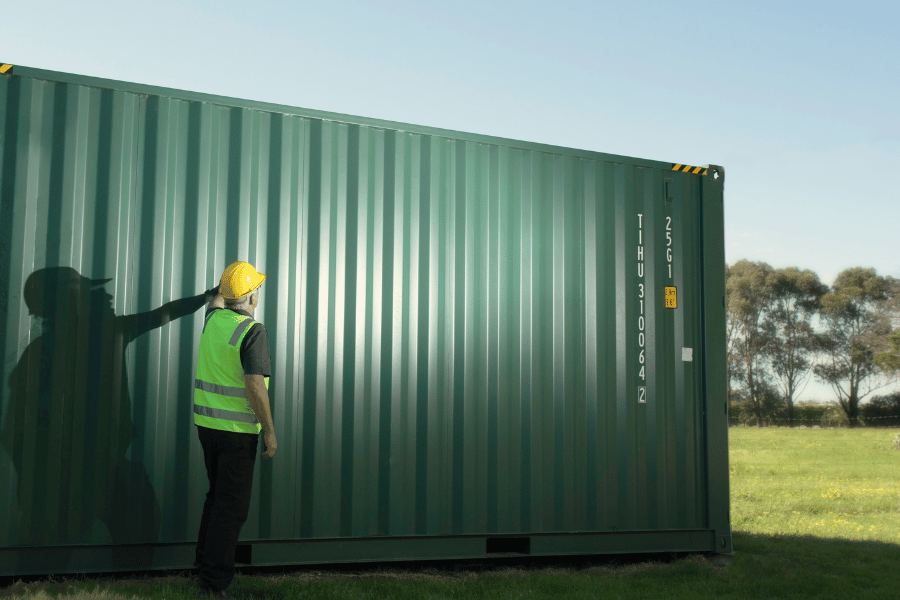
Can you put a shipping container directly on grass? Learn why ground conditions matter and how proper support can help keep your container stable and accessible.
A shipping container can sometimes be placed temporarily on firm, dry ground, but positioning one directly on grass is generally not the best long-term solution.
Grass can conceal soft or uneven soil, retain moisture and make it difficult to keep the container level. A prepared, well-drained base usually provides better long-term stability and helps the cargo doors continue operating correctly.
Quick Answer
A container should only be placed on grass when:
- The ground is firm, dry and level
- The soil can support the container and its contents
- The delivery vehicle can access the area safely
- The placement is temporary
- The delivery provider approves the conditions
For long-term storage, an occupied conversion or a heavily loaded container, use a suitable prepared base.
1. Grass Can Hide Soft Ground
A grassy surface may appear firm while the soil underneath is soft, particularly after heavy rainfall.
A shipping container is heavy even before goods are placed inside. If the ground cannot support the weight, parts of the container may gradually settle.
Possible signs of poor support include:
- One corner sinking
- The container leaning
- Cargo doors becoming difficult to operate
- Water collecting around the underside
- Supports moving or becoming unstable
Ground that is firm during dry weather may become unsuitable during the rainy season.
2. Uneven Ground Can Affect the Doors
Shipping containers are built around a strong steel frame. However, uneven support can cause the frame to twist slightly.
One of the first signs may be cargo doors that become difficult to open, close or lock.
Before delivery:
- Check that the ground is level
- Identify soft areas
- Remove unstable topsoil where appropriate
- Prepare suitable support points
- Confirm that all corners will remain properly supported
The foundation should be planned according to the container size, load and ground conditions.
3. Drainage Is Essential
Water should drain away from the container.
A location where rainwater regularly collects may expose the underside to prolonged moisture and cause the surrounding ground to soften.
Check:
- Which direction water flows
- Whether the area floods
- Whether gutters discharge nearby
- Whether the ground slopes toward the container
- Whether vegetation restricts airflow
- Whether drainage improvements are required
Keep soil, grass and vegetation away from the underside where practical.
4. Better Base Options for Long-Term Placement
A prepared base can provide greater stability and drainage.
Possible options include:
| Base option | Potential advantage |
| Compacted gravel | Supports drainage and creates a level surface |
| Concrete pads | Provide firm support at selected load points |
| Concrete piers | Can elevate the container above the surrounding ground |
| Engineered foundation | Suitable for occupied or heavily modified structures |
The correct option depends on:
- Soil conditions
- Container size
- Expected load
- Local climate
- Intended use
- Planned modifications
- Future relocation
Ask a qualified local professional or delivery provider what is appropriate for your project.
5. Container Size Matters
A larger container requires a longer prepared area and may place more total weight on the site.
Buyers can compare:
- 20ft shipping containers for compact sites and moderate storage
- 40ft shipping containers for larger inventory and equipment
- High Cube containers when additional interior height is required
Use CargoVault’s shipping container dimensions guide to plan the required space.
6. Intended Use Affects Foundation Requirements
A container used for basic storage may have different requirements from one converted into an office, workshop or occupied building.
More extensive preparation may be required when the project includes:
- Doors and windows
- Insulation
- Electricity
- Plumbing
- Interior partitions
- Heavy machinery
- Regular occupancy
- Connected or stacked units
Explore CargoVault’s container modification options when planning an office, workshop or commercial conversion.
Local building, zoning and foundation requirements may apply.
7. The Delivery Truck Also Needs Firm Ground
Preparing the final container position is not enough. The delivery vehicle must also reach the site safely.
Wet grass, mud and soft soil may be unable to support a loaded truck.
Before delivery, check:
- Driveway and gate width
- Ground firmness
- Turning space
- Slopes
- Drainage ditches
- Low branches
- Overhead power lines
- Underground tanks or septic systems
Review CargoVault’s delivery information and discuss uncertain ground conditions with the delivery team.
How to Prepare a Grass Site
Before placing a container:
- Select a level area with good drainage.
- Observe the site after heavy rain.
- Measure the complete container footprint.
- Remove vegetation and unstable surface material where necessary.
- Prepare an appropriate base or support points.
- Confirm delivery-truck access.
- Mark the required door orientation.
- Check local placement requirements.
- Keep people and vehicles away during unloading.
- Test the cargo doors after placement.
For complete guidance, use CargoVault’s shipping container site-preparation checklist.
Frequently Asked Questions
Can a shipping container be placed directly on grass temporarily?
It may be possible when the ground is dry, level and strong enough. Confirm the conditions with the delivery provider before placement.
Will a container sink into grass?
It can settle when the soil is soft, wet or unable to support the weight evenly.
What is the best base for a shipping container?
The best base depends on the soil, container size, expected load and intended use. Compacted gravel, concrete pads, piers or an engineered foundation may be considered.
Does a shipping container need to be perfectly level?
It should be sufficiently level and properly supported. Uneven placement can affect stability and cargo-door operation.
Can a container office be placed on grass?
An occupied or modified container normally requires more careful foundation planning. Confirm local building requirements and obtain professional guidance.
Can a delivery truck drive across grass?
Only when the delivery provider confirms the ground is safe and strong enough. Wet or soft grass can cause a loaded truck to become stuck.
Prepare Your Site Before Delivery
Choosing where your container will sit should be part of the buying process rather than something decided when the delivery truck arrives.
Consider ground stability, drainage, delivery access and the container’s intended use before ordering.
Browse CargoVault’s container categories, then request a custom quote with your preferred size, delivery ZIP code and site-access information.