
How to Choose the Right Shipping Container Size for Your Project
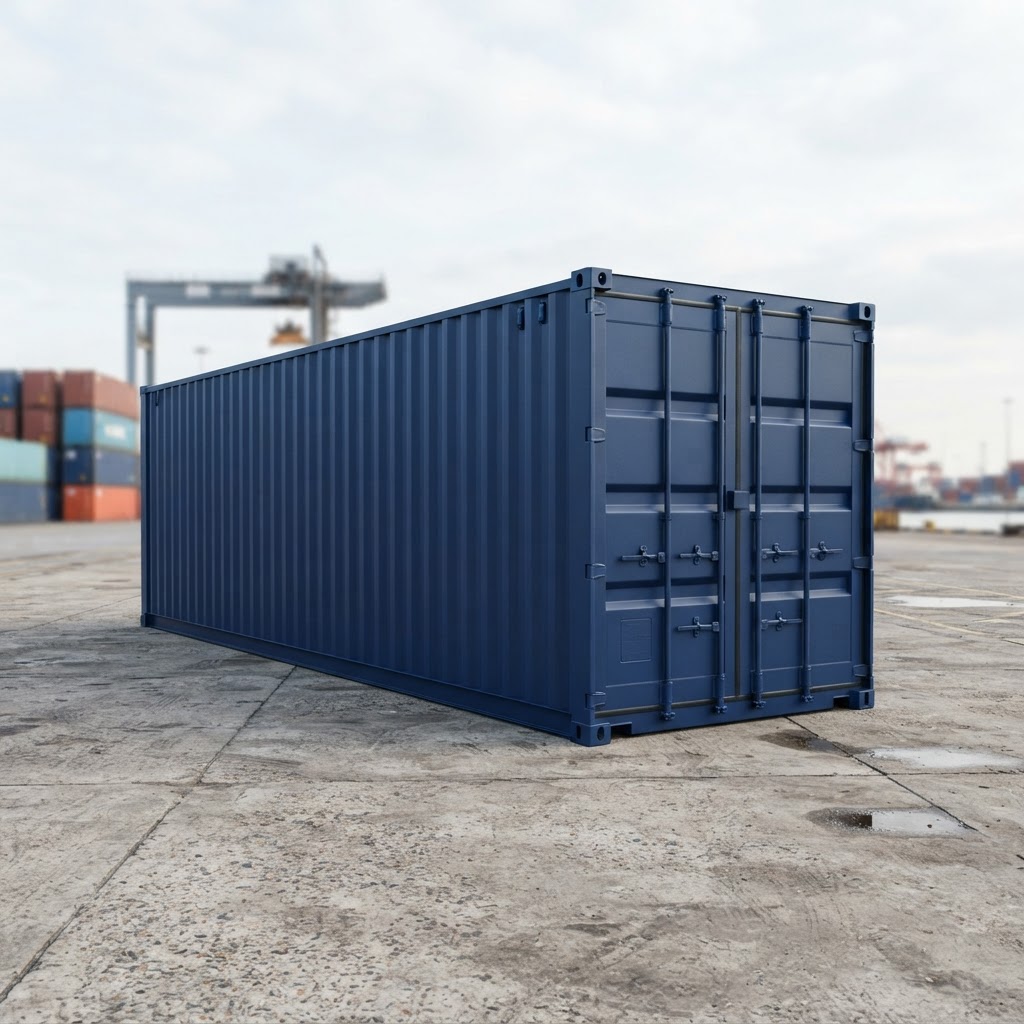
Compare popular shipping container sizes and learn how to choose the right option based on capacity, delivery access, modifications, budget and future needs.
Choosing the right shipping container size can save you money, simplify delivery, and ensure that you have enough usable space for your project. A container that is too small may quickly become overcrowded, while one that is unnecessarily large can increase your purchase, transportation, and site-preparation costs.
The best choice depends on what you plan to store or build, the available space on your property, delivery access, and whether the container will be modified.
This guide compares the most common shipping container sizes and explains how to select the right option for your needs.
Quick Comparison of Shipping Container Sizes
Container measurements can vary slightly by manufacturer and model, particularly for refrigerated and modified units. Always confirm the specifications of the individual container before ordering.
| Container Size | Typical Exterior Dimensions | Approximate Interior Floor Space | Common Uses |
| 10ft Standard | 10ft × 8ft × 8ft 6in | About 70 sq. ft. | Residential storage, tools, small equipment |
| 20ft Standard | 20ft × 8ft × 8ft 6in | About 150 sq. ft. | Business inventory, construction storage, workshops |
| 40ft Standard | 40ft × 8ft × 8ft 6in | About 300 sq. ft. | Bulk storage, machinery, commercial projects |
| 40ft High Cube | 40ft × 8ft × 9ft 6in | About 300 sq. ft. with extra height | Container homes, offices, tall equipment |
| 45ft High Cube | 45ft × 8ft × 9ft 6in | About 340 sq. ft. | Large commercial, industrial and conversion projects |
You can also review Cargo Vault’s complete shipping container dimensions, weight and capacity guide for more detailed measurements.
Start With the Purpose of Your Container
Before comparing sizes, clearly define what the container will be used for. The right size for storing household furniture may not be suitable for a workshop, construction site, office, or container home.
Consider whether your project involves:
- Household or seasonal storage
- Construction tools and building materials
- Farm machinery and agricultural supplies
- Commercial inventory
- Vehicles or large equipment
- A portable workshop
- A site office
- A container home or accommodation unit
- Refrigerated or temperature-controlled storage
- A swimming pool or custom structure
Once the purpose is clear, you can estimate how much floor space, height, door clearance, ventilation, and modification work will be required.
When to Choose a 10ft Shipping Container
A 10ft shipping container is a practical choice when space is limited or when you only need a compact storage area.
It can work well for:
- Garden tools and landscaping equipment
- Motorcycles, bicycles and recreational equipment
- Small amounts of household furniture
- Construction tools
- Maintenance supplies
- Small business inventory
- Properties with limited placement space
The smaller footprint makes a 10ft container easier to position in some residential yards, parking areas and compact commercial sites.
However, a 10ft container may cost more per square foot than a larger container. Delivery costs can also represent a larger portion of the total purchase price. If you expect your storage requirements to increase, compare the overall cost with a 20ft container before deciding.
When to Choose a 20ft Shipping Container
A 20ft shipping container is one of the most versatile choices for residential, commercial and construction projects.
It generally offers enough room for significant storage without requiring the delivery and placement space of a 40ft unit.
A 20ft container is commonly used for:
- Household furniture during a renovation or move
- Construction tools and materials
- Retail or e-commerce inventory
- Farm supplies
- A compact workshop
- A mobile office
- Equipment storage
- Small-scale container conversions
A 20ft container may be the best option when you need a balance between capacity, price and site accessibility. It is also easier to organize than an overcrowded smaller unit.
If you are comparing two 10ft containers with one 20ft container, remember to consider the cost of purchasing, delivering and preparing foundations for two separate units.
When to Choose a 40ft Shipping Container
A 40ft shipping container provides approximately twice the floor space of a 20ft container. It is ideal for larger storage requirements and projects where maximizing capacity is more important than maintaining a compact footprint.
Common uses include:
- Commercial inventory
- Large construction projects
- Machinery and equipment storage
- Building materials
- Agricultural equipment
- Warehousing
- Large workshops
- Container offices and homes
- Multi-room conversions
A 40ft container can offer better value per square foot than a smaller unit. However, it requires considerably more room for delivery and unloading.
Do not assume that a property with 40 feet of open space can automatically receive a 40ft container. The delivery truck must have enough room to approach, maneuver, tilt and leave the site safely.
Review Cargo Vault’s delivery information before choosing a 40ft unit.
When a High Cube Container Is the Better Choice
A High Cube container is usually one foot taller externally than a standard container.
That additional height can make a substantial difference when you need:
- Tall shelving systems
- Extra stacking capacity
- Space for machinery
- Ceiling insulation
- Electrical wiring and lighting
- Heating or air-conditioning equipment
- A more comfortable office or living area
- Additional headroom after installing flooring and ceilings
High Cube containers are particularly useful for container homes and offices. Insulation, wall coverings, plumbing and ceiling finishes reduce the usable interior space, so the extra height helps preserve comfortable headroom.
A High Cube may not be necessary for basic ground-level storage, but it can be worth the additional cost when vertical capacity or future modification is important.
Should You Consider a 45ft Container?
A 45ft shipping container offers additional length and is often available in a High Cube configuration.
It may be suitable for:
- Large industrial storage requirements
- High-volume commercial inventory
- Oversized conversion projects
- Long-term warehousing
- Multi-room offices or living spaces
- Operations that need maximum capacity from one unit
Before purchasing a 45ft container, confirm that the site can accommodate its length and that the delivery route is suitable. Large containers may face greater access limitations on residential properties, narrow roads and confined construction sites.
Alternative sizes such as 16ft containers and 30ft containers may be useful when a 20ft unit is too small but a 40ft unit is unnecessary. Availability and exact specifications can vary, so check the individual product listing.
Measure What Will Go Inside the Container
Do not select a container based only on a general estimate of your belongings. Create a basic inventory and measure the largest items.
Record the:
- Length
- Width
- Height
- Weight
- Required loading clearance
- Space needed to move around the item
- Space required for shelving or ventilation
If you are storing pallets, machinery, vehicles or construction equipment, the door opening can be just as important as the interior dimensions.
An item may physically fit inside the container but still be too wide or tall to pass through the doors. Use the shipping container door dimensions guide to compare your equipment with typical door clearances.
Allow space for aisles if you need regular access. A container packed from wall to wall may have enough total capacity but still be impractical if important items cannot be reached.
Consider How the Interior Will Be Organized
The amount of usable space depends on how efficiently the container is organized.
Shelving can make better use of vertical space, while labeled storage zones can prevent frequently used items from becoming trapped behind heavy equipment.
When planning the layout, allow room for:
- Walking paths
- Door movement
- Shelving
- Pallets
- Ventilation
- Lighting
- Electrical equipment
- Maintenance access
- Safe loading and unloading
If you expect to add shelving or stack inventory vertically, a High Cube container may provide more useful capacity without increasing the ground footprint.
Account for Modifications
Modifications can reduce the container’s usable interior space.
Insulation, interior walls, flooring, plumbing and ceiling finishes all occupy room. Windows and personnel doors can also affect where shelving and equipment can be installed.
For an office, home, workshop or retail unit, plan the complete interior layout before choosing the container size. Consider the location of:
- Windows
- Personnel doors
- Electrical outlets
- Plumbing
- Interior partitions
- Kitchen or bathroom fixtures
- Heating and cooling equipment
- Storage cabinets
For larger conversion projects, choosing a 40ft High Cube instead of a standard 40ft container can provide valuable additional headroom after the interior is finished.
You can explore available container modification options when planning a custom project.
Check Your Delivery and Placement Space
Delivery access should be evaluated before purchasing any container.
Check the proposed route for:
- Narrow gates
- Fences
- Buildings
- Parked vehicles
- Trees and low branches
- Overhead power lines
- Sharp turns
- Steep slopes
- Soft or unstable ground
- Drainage problems
The site must provide enough room for both the container and the delivery truck. A 40ft or 45ft container generally requires substantially more unloading room than a 10ft or 20ft unit.
The placement surface should be level, stable and capable of supporting the loaded container. Concrete pads, railroad ties or other suitable supports may be used depending on the site and local conditions.
Proper support under the container’s corner castings helps maintain alignment and can reduce problems with doors becoming difficult to open.
Think About Future Storage Requirements
Buying only enough space for your immediate needs can lead to another purchase and additional delivery costs later.
Consider whether your storage requirements may grow because of:
- Expanding inventory
- Additional equipment
- Seasonal stock
- Business growth
- Future renovations
- New construction phases
- Planned modifications
Choosing a slightly larger container may be more economical if growth is likely. However, purchasing a large container without a clear need can increase site-preparation and transportation expenses.
The objective is to allow reasonable room for growth without paying for a significant amount of space that will remain unused.
Choose the Correct Container Type and Condition
Size is only one part of the buying decision. You must also choose the appropriate condition and container type.
One-trip or new containers generally offer a cleaner appearance, fewer dents and less wear. They may be preferred for offices, homes, customer-facing businesses and premium conversion projects.
Used shipping containers can provide better value for general storage, construction sites and industrial applications. Their appearance varies, so review the condition grade and product information carefully.
For temperature-sensitive goods, a refrigerated container may be required. Refrigerated units have insulated walls and specialized equipment, which can reduce their internal dimensions compared with a standard dry container.
Oversized machinery may require an open-top or flat-rack container rather than simply a larger standard container.
Common Container-Size Mistakes to Avoid
Choosing Based Only on Price
The least expensive container may not provide enough space or the correct features. Compare usable capacity, condition, delivery and future requirements.
Ignoring Door Dimensions
Large equipment can fit within the interior but still fail to pass through the container doors.
Forgetting Delivery Access
A large container is not useful if the delivery truck cannot safely reach the placement area.
Underestimating Modification Space
Insulation, walls, ceilings and utilities can make the finished interior smaller than expected.
Filling the Container Completely
Storage should remain accessible. Leave sufficient room for movement, ventilation and safe handling.
Ignoring Future Growth
A container that meets today’s requirements may become overcrowded as inventory or equipment increases.
Assuming All Containers Have Identical Dimensions
Measurements can vary by container type, age and manufacturer. Confirm the exact specifications before completing your order.
Shipping Container Size Checklist
Before making your final decision, answer these questions:
- What will the container be used for?
- What are the dimensions of the largest items?
- Will the items fit through the container doors?
- Do you need space for shelves or walking paths?
- Will the container be modified?
- Would additional interior height be useful?
- How much space is available on the property?
- Can the delivery truck safely access the site?
- Is the ground stable and level?
- Are there local zoning, permit or placement requirements?
- Could your storage needs increase?
- Have you compared the total purchase and delivery cost?
Frequently Asked Questions
What is the most popular shipping container size?
The 20ft and 40ft sizes are among the most commonly selected options. A 20ft container offers a practical balance of capacity and accessibility, while a 40ft container is better suited to bulk storage and larger conversions.
Is a 20ft or 40ft container better?
A 20ft container is generally better for smaller properties, moderate storage requirements and locations with restricted delivery access. A 40ft container offers approximately twice the floor space and may provide better value per square foot for large projects.
Is a High Cube container worth it?
A High Cube is often worth considering for container homes, offices, workshops, tall equipment and vertically stacked inventory. The additional height is especially valuable when insulation or interior ceilings will be installed.
Can a 40ft container be delivered anywhere a 20ft container can?
No. A 40ft container and its delivery truck require more maneuvering and unloading space. The route and placement area should be reviewed before ordering.
What size is best for a container home?
A 40ft High Cube is frequently selected because it offers additional length and headroom. Smaller homes and offices can use 20ft containers, while larger designs may combine multiple units.
Can I use two smaller containers instead of one large container?
Yes. Two smaller containers can provide flexible placement and separate storage areas. However, compare the combined purchase, delivery, foundation and maintenance costs with the price of one larger container.
Find the Right Container for Your Project
The right container should provide sufficient space, fit your property, accommodate future needs and remain practical to deliver.
A 10ft unit can be ideal for compact storage, a 20ft container provides versatility, and a 40ft or High Cube offers the capacity needed for larger commercial, industrial and conversion projects.
Browse shipping containers for sale or review the complete buyer’s guide before making your decision.
If you are uncertain about the best size, request a quote from Cargo Vault. Include your intended use, location, available placement space and delivery-access details so the team can recommend a suitable container.