
Best Foundation for a Shipping Container: 4 Options
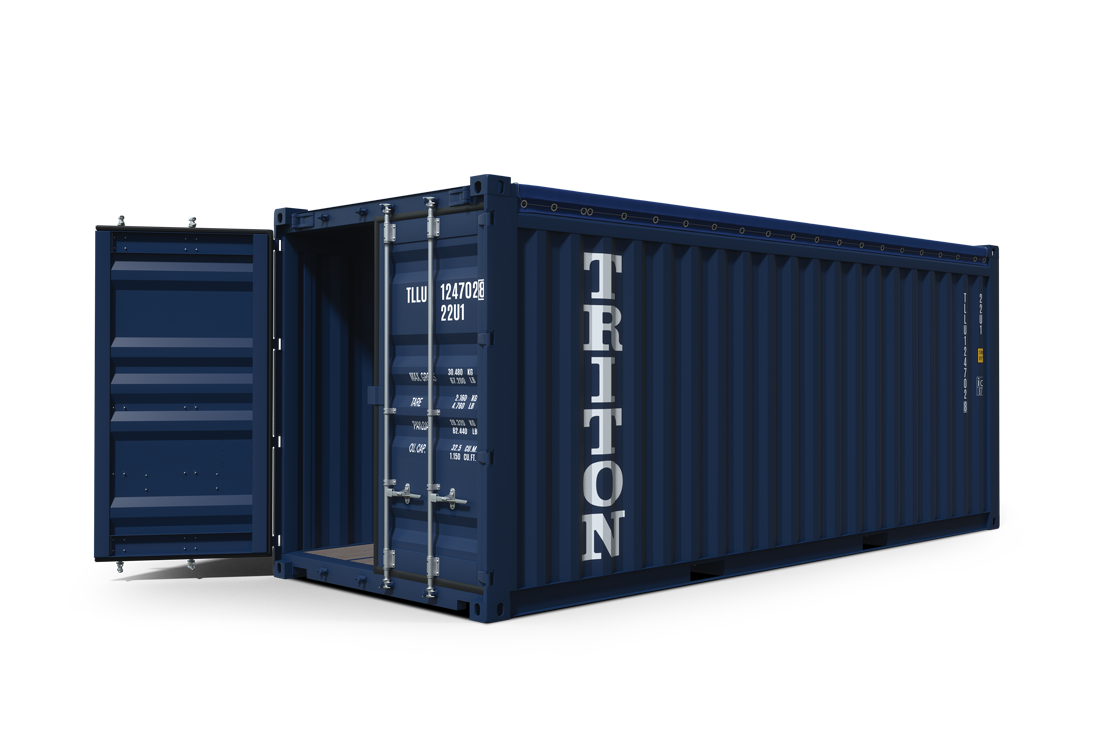
Compare compacted gravel, concrete footings, full slabs and engineered piers to choose a stable, well-drained foundation for your shipping container.
Choosing the right foundation is one of the most important parts of preparing for a shipping container.
A container placed on unstable or poorly drained ground can gradually settle, twist or become difficult to use. Cargo doors may stop closing correctly, water may collect underneath the floor and the container may require expensive repositioning.
The best foundation for a shipping container depends on the soil, drainage, container size, total loaded weight and whether the unit will be used for basic storage or converted into a permanent structure.
For many standard storage applications, a properly constructed compacted-gravel pad is a practical solution. Concrete footings or a full concrete slab may be more appropriate for permanent, heavily loaded or modified containers. Difficult sites may require professionally designed piers or piles.
Here is how the main options compare.
Why Does a Shipping Container Need a Proper Foundation?
Shipping containers have strong steel frames, but they still need stable and level support.
A suitable foundation can help:
- Keep the container level
- Prevent uneven settling
- Keep cargo doors properly aligned
- Improve drainage around the container
- Reduce prolonged moisture exposure underneath the floor
- Support the container’s loaded weight
- Provide anchoring where required
- Make future maintenance easier
Even small changes in ground level can place stress on the frame. Door problems are often one of the first signs that a container has settled unevenly.
If you are still selecting your container, compare the available sizes, weights and capacities in our shipping container dimensions guide.
Factors to Consider Before Choosing a Foundation
There is no single foundation that is best for every location. Consider the following factors before preparing the site.
Intended Use
A container used for basic household storage may have different foundation requirements from one carrying heavy machinery.
Containers converted into offices, workshops, retail spaces or living areas may also need foundations that meet local building codes and support utilities, interior finishes and structural modifications.
Soil Conditions
Firm, well-drained soil may require less preparation than soft clay, loose fill or ground that regularly becomes saturated.
Organic topsoil should generally not be treated as a dependable structural base. A local contractor can assess whether excavation, additional aggregate or soil stabilization is needed.
Drainage
Water should flow away from the container instead of collecting beneath it.
Poor drainage can soften the soil, contribute to uneven settlement and expose the underside of the container to unnecessary moisture.
Container Size and Loaded Weight
A loaded 40ft container places different demands on a foundation than an empty 10ft or 20ft unit.
The support system must account for the container, stored contents, modifications and any equipment installed inside. There is no universal number of foundation supports suitable for every container and load.
Climate and Local Regulations
Freeze-and-thaw cycles, high winds, flooding, seismic conditions and coastal weather can influence foundation and anchoring requirements.
Check local zoning, permit and building-code requirements before installing a permanent or occupied container structure.
Option 1: Compacted Gravel Pad
A compacted gravel pad is one of the most common foundation choices for storage containers.
The site is normally cleared of vegetation and unsuitable topsoil before layers of angular crushed stone are installed and compacted. Geotextile fabric may be used where appropriate to help separate the aggregate from the soil beneath it.
Advantages of a Gravel Foundation
- Generally more affordable than a full concrete slab
- Provides effective drainage
- Can be adjusted or repaired
- Works well for many residential and commercial storage applications
- Makes future container removal easier
- Reduces direct contact with wet soil
The finished support surface must be level even though the surrounding ground should direct water away from the container.
Limitations of a Gravel Foundation
Gravel must be properly installed and compacted. Simply spreading loose stones over grass does not create a reliable foundation.
Soft soil, poor drainage or an incorrectly prepared base may still allow the container to settle. Heavy equipment and permanent conversions may require a more substantial engineered solution.
Read Can Shipping Containers Be Placed on Grass? for more information about the risks of placing a container on unprepared ground.
Option 2: Concrete Pads or Footings
Individual concrete pads or footings can provide strong support beneath selected structural points.
This approach uses less concrete than a complete slab while helping elevate the container above the surrounding ground.
Advantages of Concrete Footings
- Strong and durable
- Keeps the container away from wet soil
- Allows airflow underneath
- Can provide stable support on suitable sites
- Uses less material than a full slab
- Can incorporate anchoring components when professionally designed
All supporting points must be installed at the correct elevation. If one footing sits higher or lower than the others, the container may twist when placed.
The number, position, size and depth of the footings should be determined according to the container size, expected load, soil conditions and local code requirements.
Ordinary patio blocks placed on soft or uneven soil should not be treated as a substitute for properly designed foundations.
Option 3: Full Concrete Slab
A reinforced concrete slab provides a continuous, permanent base.
This option is often considered for container offices, workshops, commercial facilities and other projects where the container will remain in place for an extended period.
Advantages of a Concrete Slab
- Provides a durable and level working area
- Can support frequent foot or equipment traffic
- Works well for many permanent installations
- Makes the surrounding area easier to clean
- Can be coordinated with utilities and drainage
- May simplify access for carts, pallet jacks or wheeled equipment
Limitations of a Concrete Slab
A slab usually costs more than a gravel pad or individual footings. It also requires excavation, formwork, reinforcement, curing time and appropriate drainage planning.
A poorly installed slab can still crack, settle or collect water. It should be designed for the site conditions and expected loads rather than poured without a clear plan.
If the container may be relocated later, a permanent slab may provide less flexibility than a gravel base.
Option 4: Engineered Piers or Piles
Concrete piers, helical piles and other engineered support systems may be appropriate for sloped land, weak soil, flood-prone areas or locations affected by deep frost.
These systems transfer loads to more suitable soil and can elevate the container where ground-level placement is unsuitable.
Advantages of Engineered Supports
- Can accommodate challenging ground conditions
- May reduce extensive excavation on some sites
- Can elevate the container above flood-prone ground
- Can be designed for anchoring and structural loads
- May work well for permanent container buildings
This is not normally a do-it-yourself foundation. A qualified engineer or foundation contractor should determine the depth, spacing, capacity and connections required.
Are Timber Beams Suitable?
Treated timber beams are sometimes used for temporary or easily movable storage installations.
They can elevate a container and make minor leveling adjustments possible. However, timber may decay, shift or lose strength over time, particularly in wet conditions.
Timber supports should not automatically be considered a permanent foundation. Confirm that the material, dimensions, soil conditions and expected loads are suitable before using them.
Foundations for Modified Shipping Containers
Structural modifications can change how loads move through a container.
Large door openings, windows, removed wall sections and connections between multiple containers may reduce the strength provided by the original corrugated walls. Interior finishes, HVAC equipment, plumbing and rooftop systems can also add weight.
A container being converted into an occupied building may require:
- Engineered foundations
- Structural reinforcement
- Wind or seismic anchoring
- Utility connections
- Moisture barriers
- Insulation
- Code-compliant access
- Local planning and building approval
Explore Cargo Vault’s custom container modifications when planning an office, workshop, retail unit or other conversion.
What Should You Avoid?
Avoid placing a shipping container permanently on:
- Unprepared grass
- Loose or recently filled soil
- Muddy ground
- Areas where water regularly collects
- Uneven supports
- Loose stacks of blocks
- Damaged or decaying timber
- Surfaces that cannot support the expected weight
Do not assume that a site is stable simply because it feels firm during dry weather. Ground conditions can change after heavy rainfall, freezing temperatures or repeated loading.
Shipping Container Foundation Preparation Checklist
Before delivery day:
- Confirm the container’s dimensions and expected loaded weight.
- Check local zoning, permit and foundation requirements.
- Identify buried utilities before excavation.
- Evaluate the soil and natural drainage.
- Remove vegetation and unsuitable topsoil.
- Install and compact the selected foundation material correctly.
- Make sure all structural support points are level.
- Direct surface water away from the placement area.
- Confirm whether anchoring is required.
- Leave sufficient access for the delivery vehicle.
- Keep the final placement area free from equipment and obstructions.
- Confirm the required door orientation before the truck arrives.
Use our complete shipping container site-preparation checklist and delivery information to plan access and placement.
What to Check After the Container Is Delivered
Once the container is positioned:
- Open and close both cargo doors
- Check that the container sits firmly on every intended support
- Confirm that the frame appears level
- Inspect the space underneath for drainage
- Make sure no support has shifted during unloading
- Verify that water will flow away from the container
- Complete any required anchoring
- Recheck the container after heavy rain or seasonal ground movement
If the doors become difficult to operate soon after delivery, inspect the level and support points before forcing the locking bars.
Frequently Asked Questions
What Is the Best Foundation for a Shipping Container?
For many standard storage applications on firm, well-drained soil, a properly installed compacted-gravel pad is a practical and cost-effective option.
Permanent, occupied, heavily modified or heavily loaded containers may require concrete footings, a reinforced slab or another engineered foundation.
Can a Shipping Container Sit Directly on the Ground?
It may be possible temporarily on suitable ground, but direct placement can expose the underside to moisture and increase the risk of uneven settlement.
A prepared, well-drained and level base is generally better for long-term use.
Can I Put a Shipping Container on Concrete Blocks?
Properly rated concrete supports may be suitable when installed on a stable base and positioned according to an appropriate foundation plan.
Loose residential blocks placed directly on soft soil can crack, move or settle and should not be assumed to provide reliable support.
Should a Shipping Container Be Raised Off the Ground?
Slight elevation can improve airflow, drainage and access for underside inspection. The appropriate height and support method depend on the project, site conditions and anchoring requirements.
Does a 40ft Container Need More Support Than a 20ft Container?
Foundation requirements depend on more than length. The container’s condition, loaded weight, modifications, soil and intended use must all be considered.
Ask a qualified contractor or engineer to determine whether additional support points are required.
Do I Need a Permit for a Container Foundation?
Requirements vary by city, county and state. Permanent foundations, utilities, occupied conversions and containers in regulated zones are more likely to require approval.
Contact the local planning or building department before construction begins.
Prepare the Foundation Before Ordering Delivery
The best time to prepare a shipping container foundation is before the delivery truck arrives.
A suitable base protects the container, keeps the doors operating correctly and reduces the risk of future repositioning. It also helps the delivery team place the unit correctly the first time.
Browse our shipping containers for sale or request a container quote to discuss the right container, delivery method and site requirements for your project.
Foundation recommendations should always be confirmed for your specific soil, loads, local climate and building regulations.