
Cargo-Worthy vs Wind and Watertight Containers: What’s the Difference?
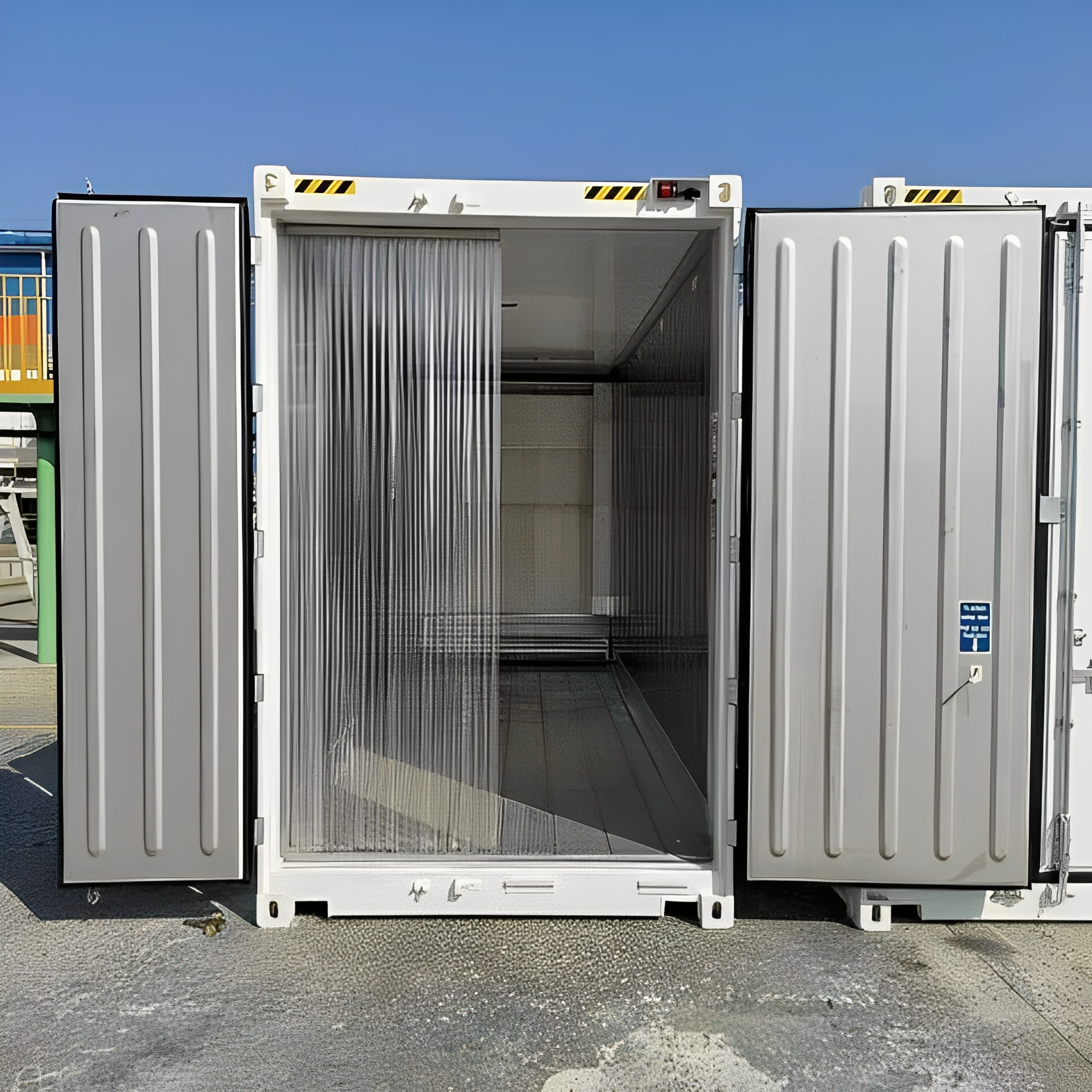
Compare cargo-worthy and wind and watertight shipping containers to understand condition, inspection standards, export eligibility and common storage uses.
Used shipping containers are often advertised as cargo-worthy, wind and watertight, or storage-class. These descriptions can help buyers narrow their options, but they should not be treated as identical guarantees.
Condition labels may also be applied differently by different sellers. Always review the written product description, photographs, inspection details and intended use before ordering.
What Does Cargo-Worthy Mean?
A cargo-worthy container is generally considered structurally suitable for cargo transport at the time it is assessed. Buyers intending to use a unit for international or intermodal shipment should confirm the specific inspection and documentation required by the carrier, terminal and destination.
The sales description alone does not guarantee that a container is currently accepted for export. Ask:
- Whether the unit has a valid safety approval plate
- Whether a current inspection is required
- Whether structural repairs are needed
- Whether recertification is necessary before shipment
- Whether the selected carrier will accept the container
CargoVault lists transport-oriented options in its 20ft shipping container category and 40ft shipping container category.
What Does Wind and Watertight Mean?
Wind and watertight, commonly shortened to WWT, generally describes a used container intended to keep ordinary wind and rain from entering when its doors are properly closed.
A typical condition check looks for:
- Holes in the roof or walls
- Significant roof damage
- Functioning cargo doors
- Serviceable rubber seals
- Floor damage
- Areas of serious corrosion
- Evidence of active water entry
WWT units are often selected for stationary storage. They may show dents, surface rust, patches, faded paint and other cosmetic wear from their previous service.
A WWT description does not by itself mean that the container is approved for international cargo transport.
Buyers who need on-site storage can compare options in CargoVault’s 20ft container category, 40ft container category or complete used shipping container category.
Read CargoVault’s guide answering whether shipping containers are waterproof for additional information about weather protection and maintenance.
What Is a Storage-Class Container?
Storage-class is a seller-defined description rather than one universal industry grade. It commonly refers to a container offered primarily for stationary storage, but its appearance and repair history can vary.
Before buying, ask the seller to state what storage-class means for that particular unit.
Confirm:
- Whether the container is wind and watertight
- Whether the cargo doors open and close correctly
- Whether the floor is serviceable
- Whether the roof or walls have holes
- Whether previous repairs affect its use
- Whether any known defects will be included in the sales agreement
- Whether the unit is suitable for your intended contents
Storage-class containers may suit budget-conscious buyers who need basic stationary storage, but they should be evaluated according to their actual condition rather than the grade name alone.
Cargo-Worthy vs WWT vs Storage-Class: Quick Comparison
| Condition description | Common intended use | What the buyer should confirm |
| Cargo-worthy | Cargo transport or secure storage | Current inspection status, safety plate, carrier requirements and repair needs |
| Wind and watertight | Stationary storage | No active leaks or holes, working doors, usable seals and floor condition |
| Storage-class | Budget-conscious stationary storage | Seller’s written definition, weather resistance and all material defects |
Appearance Is Not the Same as Structural Condition
A container with faded paint and surface dents may still be useful for storage, while a freshly painted unit may have repairs that deserve closer review. Evaluate function before appearance.
Important areas to check include:
- Roof, walls and welded repairs
- Corner posts and corner castings
- Cross-members beneath the floor
- Door hinges, locking bars and handles
- Rubber door seals
- Interior floor condition and odors
- Signs of standing water or active leakage
- Evidence of severe corrosion
- Container identification and safety plate, when relevant
If you cannot inspect the unit in person, request current photographs or a written condition report for the actual unit or agreed grade.
CargoVault’s guide on how to inspect a shipping container before buying provides a more detailed inspection checklist.
Match the Container Grade to the Job
Choose cargo-worthy when transport is planned and the required inspections and approvals can be confirmed.
Consider a wind-and-watertight container for general on-site storage where protection from ordinary weather is the priority.
Consider storage-class only after the seller clearly defines its condition and confirms that the unit meets your specific requirements.
For projects where appearance, clean interiors and minimal previous wear matter, a new or one-trip container may be more suitable. CargoVault’s one-trip vs used shipping container guide explains the main differences.
The CargoVault Container Buyer’s Guide covers additional points involving size, condition, delivery access and modifications.
Selecting a Grade for Different Applications
Construction-Site Storage
Construction sites may prioritize security, weather protection and reliable door operation over cosmetic appearance. A serviceable WWT or used container may be suitable when it meets the project’s requirements.
Review CargoVault’s guide to shipping container types for construction sites.
Farm Storage
Farm operators may need storage for tools, replacement parts, seasonal equipment and packaging supplies. Moisture control, ventilation and site access should be considered alongside the condition grade.
Read the guide to shipping containers for farms.
Business Inventory
Businesses storing merchandise, documents or sensitive equipment may require a cleaner interior, dependable seals and improved ventilation. The lowest-priced container may not be appropriate when odors, moisture or surface contamination could damage the contents.
Container Conversions
Containers intended for offices, workshops, retail spaces or residential conversions should be inspected carefully before modification. Structural condition, floor history, previous repairs and planned openings can affect the project.
Explore CargoVault’s container modification options.
Questions to Ask Before Buying a Used Container
Before placing an order, ask:
- What condition grade is being offered?
- How does the seller define that grade?
- Is the container wind and watertight?
- Is it currently cargo-worthy?
- Does it have a valid safety approval plate?
- Are any inspections or repairs required before transport?
- Are the photographs of the actual unit or only representative?
- Are there known roof, wall, floor or door defects?
- Has the container been repaired or repainted?
- Is the unit suitable for the intended contents?
- What condition guarantee is included in writing?
- What delivery access and site preparation are required?
Frequently Asked Questions
Is a cargo-worthy container automatically approved for export?
Not necessarily. Cargo-worthy describes the container’s assessed structural condition, but the carrier, terminal and destination may require current inspection documents or certification.
Is a wind-and-watertight container cargo-worthy?
Not automatically. A WWT container may be suitable for stationary storage without meeting the requirements for international cargo transport.
Can a storage-class container leak?
The term “storage-class” does not have one universal definition. Ask the seller to confirm in writing whether the unit is wind and watertight and whether it has any known leaks or holes.
Are dents and surface rust acceptable?
Minor dents, faded paint and surface rust are common on used containers. Severe corrosion, distorted frames, damaged corner posts or problems affecting the doors and weather resistance require closer evaluation.
Should I buy a used or one-trip container?
Choose according to your budget, intended use and appearance requirements. Used containers can provide practical value for storage, while one-trip units generally offer cleaner interiors, better appearance and less previous wear.
Ask for Details, Not Just a Label
The best buying decision comes from matching the actual unit to its intended purpose. Tell the supplier whether you need export use, construction-site storage, farm storage, business inventory or a future conversion.
Explore CargoVault’s used shipping containers, then request a custom quote with your preferred size, condition, delivery ZIP code and intended use.