
Used vs One-Trip Shipping Containers: Which Should You Buy?
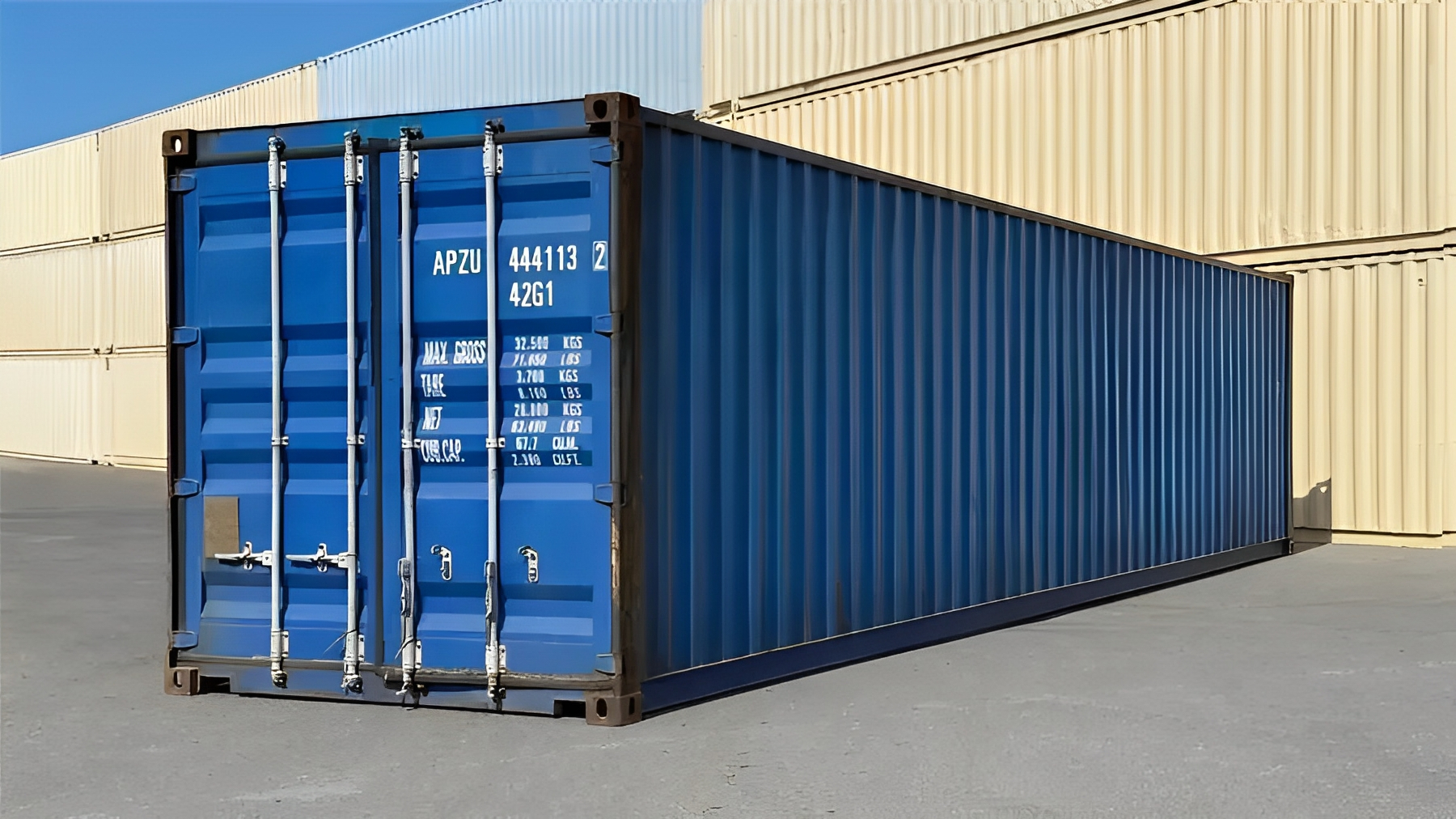
Compare used and one-trip shipping containers by price, condition, appearance and intended use to find the right container for your project.
Choosing between a one-trip and used shipping container can affect the price, appearance, maintenance requirements and suitability of the unit for your project.
A one-trip container generally provides a cleaner and newer starting point, while a used container can offer better value when cosmetic wear is acceptable. Neither option is automatically best for every buyer.
This guide compares one-trip and used shipping containers so you can match the condition to your storage, commercial or conversion project.
Quick Answer: Should You Buy a One-Trip or Used Container?
Choose a one-trip shipping container when appearance, interior cleanliness and minimal previous wear are important. It may be preferable for offices, retail units, residential conversions and highly visible locations.
Choose a used shipping container when keeping the initial price lower is more important than cosmetic appearance. A properly inspected used unit can provide practical storage for tools, equipment, farm supplies and commercial inventory.
Always evaluate the actual condition, written grade and intended use before ordering.
One-Trip vs Used Shipping Containers at a Glance
| Feature | One-trip container | Used container |
| Previous use | Usually one loaded cargo journey | Typically several years of cargo service |
| Exterior appearance | Generally cleaner with fewer dents | Dents, faded paint and shipping marks are common |
| Interior condition | Usually cleaner with less wear | Condition and previous use vary |
| Surface rust | Normally limited | More likely, especially around worn paint |
| Previous repairs | Usually fewer | Patches and repairs may be present |
| Door seals | Generally newer | Should be inspected for wear |
| Purchase price | Normally higher | Generally more affordable |
| Best applications | Conversions, visible sites and long-term projects | General storage, construction and budget-focused projects |
| Inspection required | Yes | Yes—particularly important |
These are general differences rather than guarantees. Confirm the specifications and condition of the unit being offered.
What Is a One-Trip Shipping Container?
A one-trip container is generally manufactured overseas, loaded with cargo and transported once to its destination before being offered for sale.
One-trip containers are sometimes advertised as “new” containers. However, they have normally been handled, transported and exposed to outdoor conditions during that initial journey.
They may still have:
- Small handling marks
- Minor dents
- Light scratches
- Shipping labels
- Small areas of surface rust
- Marks from stacking or lifting
Compared with an older used unit, a one-trip container generally has cleaner paint, newer door seals, fewer repairs and less previous wear.
What Is a Used Shipping Container?
A used shipping container has normally completed several cargo journeys or spent multiple years in freight service before being sold for storage or another secondary use.
Normal signs of use can include:
- Faded paint
- Surface rust
- Exterior dents
- Scratches
- Shipping markings
- Welded patches
- Floor wear
- Previous repairs
A used appearance does not automatically mean poor structural condition. A container with cosmetic dents and faded paint may still provide dependable stationary storage when its roof, frame, doors, seals and floor remain serviceable.
Browse available used shipping containers to compare sizes and configurations.
1. Price Difference
Used containers generally cost less than comparable one-trip units because they have more previous service and cosmetic wear.
The actual price difference depends on:
- Container size
- Standard or High Cube height
- Condition grade
- Local availability
- Delivery distance
- Required repairs
- Color and features
- Existing modifications
- Current market conditions
Do not compare container prices without also checking delivery, unloading and included condition commitments. A cheaper unit located farther away can have a higher total delivered cost.
2. Exterior Appearance
A one-trip container may be worth the higher price when the unit will remain visible at a home, business, retail location or hospitality property.
Its exterior will generally have:
- More consistent paint
- Fewer large dents
- Less visible corrosion
- Fewer shipping markings
- A cleaner overall appearance
Used containers are usually better suited to buyers who prioritize function over appearance.
Repainting can improve a used container’s appearance, but it does not correct structural damage or advanced corrosion. Ask whether paintwork is cosmetic or includes surface preparation and rust treatment.
3. Interior Condition
Interior condition matters when storing furniture, documents, merchandise, textiles or other sensitive belongings.
Inspect for:
- Strong odors
- Floor stains
- Dampness
- Surface corrosion
- Water marks
- Previous repairs
- Damaged flooring
- Evidence of contamination
One-trip containers generally have cleaner interiors, but every unit should still be checked. A used container’s previous cargo history may not always be available, so evaluate whether its interior suits the intended contents.
4. Doors, Seals and Weather Protection
Both one-trip and used containers should have cargo doors that close correctly.
Check:
- Hinges
- Handles
- Locking bars
- Cams and keepers
- Door alignment
- Rubber seals
- Locking points
- Lockbox condition
Used seals can become cracked, torn or compressed. A wind-and-watertight description generally means the container is intended to keep ordinary wind and rain outside when properly closed and serviceable.
Read CargoVault’s guide explaining whether shipping containers are waterproof.
5. Condition Grades
A container’s age and appearance are not the same as its condition grade.
Used containers may be advertised as:
- Cargo-worthy
- Wind and watertight
- Storage-class
- Refurbished
- As-is
Cargo-worthy generally relates to structural suitability for cargo transportation at the time of assessment. Wind and watertight commonly describes a unit suitable for stationary storage and capable of preventing ordinary weather entry when closed.
Storage-class and refurbished are seller-defined descriptions that should be explained in writing.
Review CargoVault’s comparison of cargo-worthy, wind-and-watertight and storage-class containers before ordering.
6. General Storage
For straightforward storage, a serviceable used container often provides good value.
Common uses include:
- Construction tools
- Landscaping equipment
- Farm supplies
- Household belongings
- Warehouse overflow
- Building materials
- Commercial inventory
- Seasonal equipment
If appearance is not a priority, paying more for a one-trip unit may provide limited practical benefit.
However, moisture-sensitive goods may justify a cleaner container with dependable seals, a sound floor and fewer previous repairs.
7. Offices and Container Conversions
One-trip containers are frequently selected for offices, workshops, retail units and residential conversions because they offer a cleaner starting point.
This may reduce the amount of:
- Rust treatment
- Dent repair
- Repainting
- Interior cleaning
- Floor restoration
- Seal replacement
A structurally sound used container can also be converted successfully. The decision should depend on the condition of its frame and the extent of the planned modifications.
Large wall openings, windows and doors require proper reinforcement regardless of the container’s age. Explore CargoVault’s container modification options when planning a conversion.
8. Construction and Agricultural Use
Construction sites and farms often prioritize security, weather protection and dependable doors over cosmetic appearance.
A used wind-and-watertight container may provide suitable storage for:
- Power tools
- Machinery
- Replacement parts
- Fencing supplies
- Packaging materials
- Seasonal equipment
- Protective clothing
- Maintenance supplies
A one-trip container may still be preferable when cleaner interior conditions, business presentation or long-term placement justify the additional cost.
9. Expected Ownership and Maintenance
A one-trip container generally begins with less previous wear, but its future condition will depend on placement, climate and maintenance.
Used containers may require earlier attention to:
- Surface rust
- Door seals
- Hinges
- Welded patches
- Exterior coatings
- Floor repairs
- Roof dents
No responsible seller should promise an exact remaining lifespan based only on whether a container is one-trip or used.
A well-maintained used unit on a prepared, drained base may perform better than a neglected one-trip container placed directly in standing water.
10. Available Sizes
20ft Containers
A 20ft shipping container provides a practical balance of storage capacity and easier site placement.
It may suit residential storage, construction tools, small businesses and compact conversions.
40ft Containers
A 40ft shipping container provides substantially more floor space for large equipment, commercial inventory and spacious conversions.
It also requires more delivery and placement space.
High Cube Containers
High Cube containers are approximately one foot taller externally than standard containers.
The additional height can benefit tall equipment, higher shelving, insulation, ceiling services and occupied conversions.
How to Inspect Either Container Condition
Whether you choose one-trip or used, examine:
- Corner posts and castings
- Top and bottom rails
- Roof condition
- Walls and welded repairs
- Cargo doors
- Locking bars
- Rubber seals
- Flooring
- Underside cross-members
- Container identification
- Existing modifications
When buying remotely, ask whether photographs show the actual unit or only a representative container from the same grade.
Use CargoVault’s complete shipping container inspection checklist before making a final decision.
Which Condition Should You Choose?
Choose a One-Trip Container When:
- Clean appearance is important
- The container will be highly visible
- You are planning an office or commercial conversion
- Minimal previous wear is a priority
- You want fewer previous repairs
- Your budget allows for the higher initial price
Choose a Used Container When:
- Keeping the purchase price lower is important
- Cosmetic dents and faded paint are acceptable
- The container will provide general storage
- It will be placed on a farm or construction site
- Function matters more than appearance
- You have confirmed the condition meets your needs
Questions to Ask Before Ordering
Ask the seller:
- Is the container one-trip or used?
- What condition grade is being offered?
- Are the photographs of the actual unit?
- Is it confirmed wind and watertight?
- Are there known leaks or holes?
- Do both cargo doors operate properly?
- What is the floor condition?
- Has the container been repaired or repainted?
- Is a lockbox included?
- Is the unit suitable for the intended contents?
- What condition commitment is provided in writing?
- Is delivery included in the price?
Frequently Asked Questions
Does one-trip mean completely new?
Not exactly. A one-trip container has generally completed one loaded cargo journey and may have minor handling marks, scratches or surface rust.
Are used shipping containers watertight?
Some are sold as wind and watertight, but condition varies. Inspect the doors, seals, roof, walls and repairs or obtain written confirmation from the seller.
Can a used container be converted into an office?
Yes, when its structure and condition suit the project. Extensive restoration may reduce the initial savings compared with beginning with a one-trip unit.
Is a one-trip container worth the additional cost?
It may be worthwhile when appearance, cleaner interior conditions and minimal previous wear are important. For basic storage, a suitable used unit may provide better value.
Can both types be used for international shipping?
Potentially, but transportation requires appropriate structural condition, inspection documentation and carrier acceptance. Confirm requirements before purchasing or loading the container.
Which option lasts longer?
A one-trip container generally begins with less previous wear, but remaining service life depends on climate, maintenance, corrosion, site drainage and how the unit is used.
Compare the Complete Delivered Value
One-trip containers offer cleaner appearance and minimal previous wear. Used containers offer practical value when cosmetic imperfections are acceptable.
The right decision depends on the container’s actual condition, intended use, budget, delivery cost and long-term plans not simply the label attached to it.