
New vs Used Shipping Containers: How to Inspect Before You Buy
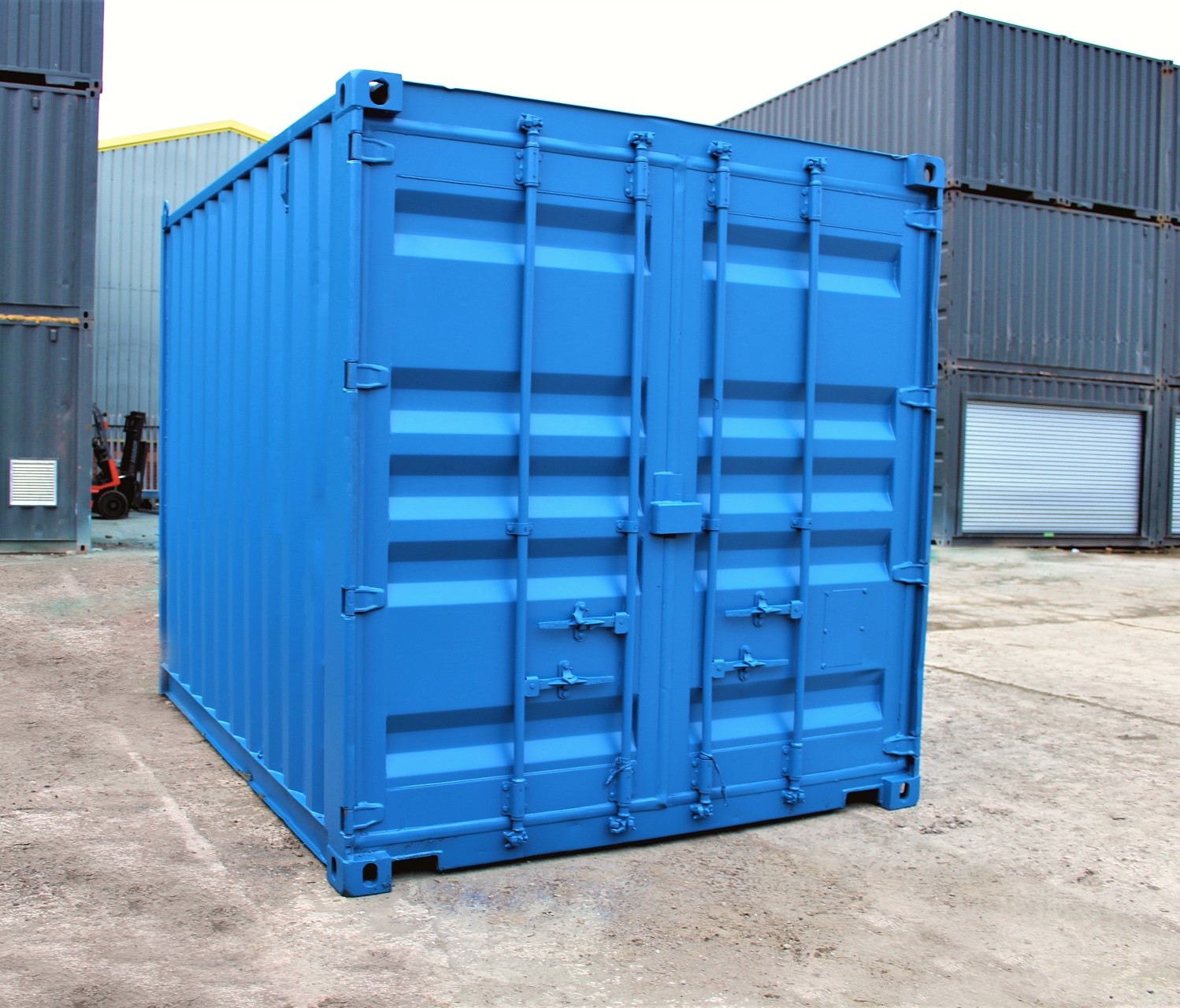
Compare new and used shipping containers and inspect the frame, roof, doors, seals, flooring and identification before you buy.
Buying a shipping container involves more than choosing a size and accepting the lowest price. A container may look acceptable in photographs while having difficult doors, damaged flooring, roof corrosion, poor repairs or structural distortion.
A thorough shipping container inspection helps you compare one-trip and used units based on their actual condition and intended use. It also reduces the risk of receiving a container that does not match the seller’s description.
Use this checklist when inspecting a container in person or reviewing photographs and documentation before ordering online.
New vs Used Shipping Containers: Quick Comparison
| Feature | One-Trip Container | Used Shipping Container |
| Shipping history | Usually completed one cargo trip | May have completed many cargo trips |
| Exterior appearance | Fewer dents and less fading | More dents, scratches and surface rust |
| Repairs | Usually limited | May contain patches, welds or replacement parts |
| Price | Generally higher | Generally more affordable |
| Availability | May be more limited | Commonly available near major depots |
| Inspection importance | Verify condition and shipping damage | Complete structural and weather-resistance inspection |
| Common applications | Offices, retail, homes and appearance-sensitive projects | Storage, farms, construction sites and workshops |
“New” commonly means one-trip rather than completely unused. Ask the seller to define the condition in writing and confirm whether photographs show the exact container or only a representative unit.
Understand the Container Condition Grade
Container grades help buyers compare units, but sellers do not always apply the terms in exactly the same way. Request a written description of what each grade includes.
One-Trip Container
A one-trip container has usually transported cargo once from its manufacturing location to its destination market.
It may still have:
- Minor handling marks
- Small dents
- Scratches
- Paint wear
- Light surface rust
- Decals or shipping labels
One-trip containers are often selected for conversions, offices, retail spaces and projects where appearance matters.
Cargo-Worthy Container
A cargo-worthy container should be structurally suitable for freight transportation when properly inspected and certified.
A seller’s “cargo-worthy” description alone does not automatically confirm that a container is currently approved for international shipping. Containers used in international transport are subject to the International Convention for Safe Containers and associated examination requirements. The International Maritime Organization’s CSC guidance explains the safety-approval plate and periodic examination system.
If the container will carry international freight, ask for confirmation from an appropriately qualified inspector.
Wind and Watertight Container
A wind and watertight container is generally sold for stationary storage. Its doors, roof and walls should prevent ordinary wind and rain from entering when closed correctly.
This condition does not necessarily mean the container is certified for international freight transportation.
As-Is Container
An as-is container may contain holes, damaged doors, structural defects, severe corrosion or flooring problems.
These containers can require substantial repairs and should only be purchased when the buyer understands the condition and total repair cost.
Read our guide to shipping container condition grades before comparing seller descriptions.
1. Confirm the Exact Container You Are Inspecting
Before examining its condition, verify that the container matches the order.
Confirm:
- Container identification number
- Length and height
- Standard or High Cube configuration
- Door type
- Container type
- Manufacturing information
- Stated condition grade
- Photographs supplied by the seller
- Any promised modifications
The identification number visible on the delivered container should match the number shown on the invoice or inspection report when the sale is for a specific unit.
Review our shipping container dimensions, weight and capacity guide to confirm the size and configuration.
2. Inspect the Corner Posts and Castings
The corner posts, rails and corner castings form important parts of the container’s structural frame.
Inspect all four corners for:
- Significant bends
- Deep dents
- Cracks
- Severe corrosion
- Broken welds
- Distorted corner castings
- Poorly completed repairs
- Sections that appear twisted
Minor cosmetic dents in a side panel do not necessarily create a structural problem. Damage to corner posts, castings, rails or load-bearing components requires more careful evaluation.
Ask a qualified container inspector or structural professional to examine any damage that may affect transport, stacking or modification.
3. Examine the Side Walls and End Wall
Walk around the entire container and view each wall from several angles.
Look for:
- Holes and punctures
- Long or deep dents
- Bulging panels
- Heavy corrosion
- Fresh patches
- Cracked welds
- Separation around seams
- Damage near the lower rails
- Poor-quality modifications
Corrugated wall panels naturally have a shaped profile, but they should not appear severely bowed or detached from the surrounding frame.
Fresh paint can improve appearance, but it can also make previous corrosion and repairs harder to see. Ask whether the container was repainted and request photographs taken before refurbishment when available.
4. Inspect the Roof Safely
Roof damage can allow water to collect and may eventually contribute to leaks or corrosion.
View the roof from a safe position and look for:
- Deep dents
- Low areas where water can collect
- Holes
- Rust around patches or welds
- Separation along the roof rails
- Previous repairs
- Heavy corrosion
- Damage caused by lifting equipment
Do not walk on a container roof unless the condition has been assessed and suitable fall protection and access procedures are in place.
A roof may appear watertight during dry weather while leaking during heavy rain. Ask whether the container has received a recent water-resistance inspection.
5. Open and Close Both Cargo Doors
Operate both doors several times. Do not inspect only one door.
Check:
- Door hinges
- Locking bars
- Handles
- Cam keepers
- Handle retainers
- Welds
- Door panels
- Lower door sill
- Rubber seals
The doors should move without excessive force when the container is resting on a firm, level surface.
Difficult doors may result from:
- Dry or corroded hinges
- Bent locking rods
- Damaged keepers
- Worn seals
- Frame distortion
- Uneven container support
If you encounter this problem, consult our guide to shipping container doors that are hard to open.
6. Examine the Door Seals
Rubber seals help prevent wind-driven rain from entering around the cargo doors.
Look for seals that are:
- Torn
- Cracked
- Brittle
- Loose
- Missing
- Flattened
- Separated at the corners
Close the doors and inspect the complete seal. Pay particular attention to the bottom corners and the area where the two doors meet.
A damaged seal may be replaceable, but the repair cost should be considered before purchasing.
7. Perform an Interior Daylight Test
Enter the empty container during daylight and close the doors only when it is safe to do so. Have another person remain outside and ensure the doors cannot lock you inside.
Look for visible daylight entering through:
- Roof panels
- Side walls
- End walls
- Welded seams
- Patches
- Door edges
Visible light may reveal a hole or failed repair. However, the absence of visible light does not prove that the container cannot leak. Small seam problems and worn door seals may still allow water to enter during severe weather.
8. Inspect the Flooring
Container flooring can be expensive and disruptive to replace, especially when the unit will be used for storage, business or conversion purposes.
Walk across the entire floor and check for:
- Soft areas
- Cracked boards
- Delamination
- Missing sections
- Excessive wear
- Raised fasteners
- Water damage
- Oil stains
- Chemical residue
- Strong or unusual odors
- Poorly fitted repairs
Ask what cargo was previously transported when that information is available.
A container intended for food-related storage, occupancy or sensitive goods may require additional evaluation, cleaning, sealing or floor replacement. Do not assume that a floor is suitable simply because it appears clean.
Our shipping container flooring guide explains common flooring conditions and replacement options.
9. Check for Moisture, Odors and Mold
A closed container can trap odors and moisture.
During the interior inspection, look for:
- Damp flooring
- Water marks
- Condensation
- Mold
- Staining below roof dents
- Rust trails
- Musty smells
- Chemical or fuel odors
An unusual odor may be difficult to eliminate, particularly if it has penetrated the wooden flooring.
Ask whether the container was recently washed, painted or chemically treated because those activities can temporarily mask existing odors.
10. Inspect the Underside and Crossmembers
Where safe access is available, inspect the container’s underside.
Look for:
- Bent crossmembers
- Severe corrosion
- Detached components
- Damaged forklift pockets
- Missing floor fasteners
- Holes
- Poor welding
- Impact damage
Do not crawl underneath a container that is supported by temporary, unstable or unidentified materials.
If the underside cannot be inspected safely, request clear photographs taken before delivery.
11. Examine Vents and Modifications
Confirm that the original container vents are present and unobstructed.
If the container has already been modified, inspect:
- Personnel doors
- Roll-up doors
- Windows
- Ventilation systems
- Electrical penetrations
- Plumbing openings
- Welded frames
- Roof-mounted equipment
Poorly installed modifications can create leaks and weaken surrounding panels. Structural openings may require reinforcement designed for the intended use.
12. Review the CSC Safety Approval Plate
The CSC plate is normally attached near the cargo doors and contains important technical information.
Depending on the container and plate, it may show:
- Manufacturer information
- Approval reference
- Date of manufacture
- Maximum operating gross mass
- Allowable stacking load
- Transverse racking test load
- Examination information
For stationary storage, an expired examination date does not automatically make the container unusable. However, a container intended for international freight must meet the applicable safety approval and examination requirements.
Do not advertise a container as cargo-worthy for international transport without appropriate inspection and documentation.
13. Ask About Repairs and Previous Damage
Used containers commonly receive repairs during their service life. A professional repair is not automatically a reason to reject a unit, but the repair should be secure and appropriate.
Ask the seller:
- Has the roof been patched?
- Has the floor been replaced?
- Were any corner posts repaired?
- Have the doors or locking bars been replaced?
- Was the container repainted?
- Has it passed a recent water-resistance inspection?
- Is it being sold as one-trip, cargo-worthy, wind and watertight or as-is?
- Is the condition guaranteed in writing?
Photograph any notable repair before accepting the container.
14. Request Current Photographs of the Exact Unit
When buying remotely, ask whether the listing photographs show the exact container or a representative example.
For a specific-unit sale, request current photographs of:
- All four sides
- Both doors
- Roof
- Interior
- Complete floor
- Door seals
- Identification number
- CSC plate
- Underside where available
- Dents, corrosion and repairs
Videos showing the doors opening and closing can provide useful additional information.
Keep copies of the listing, photographs, invoice and written condition description.
15. Inspect the Container at Delivery
Compare the delivered container with the invoice and supplied photographs before the driver leaves, when practical and permitted by the seller’s delivery procedure.
Confirm:
- Correct container size
- Correct condition
- Correct identification number
- No new transportation damage
- Doors operate correctly
- Interior is empty
- Promised modifications are present
- Visible defects match the written description
Record concerns with photographs and note visible transportation damage on the appropriate delivery documentation. Review the seller’s inspection, return and damage-reporting terms before delivery because notification periods vary.
Red Flags When Buying a Shipping Container
Investigate carefully if you notice:
- A seller who refuses to provide recent photographs
- An identification number that does not match the documents
- Severe corrosion around structural components
- Large roof depressions
- Doors that cannot be operated
- Visible daylight through the roof or walls
- Strong chemical odors
- Soft or extensively damaged flooring
- Distorted corner posts or castings
- Unsupported claims that the container is cargo-worthy
- No written condition description
- Pressure to pay before receiving basic business and container information
The lowest advertised price may not represent the lowest total cost if the unit requires extensive repairs.
Which Condition Should You Buy?
Choose a One-Trip Container When:
- Exterior appearance is important.
- The container will become an office, shop or customer-facing space.
- You want fewer dents and previous repairs.
- You plan to complete a high-quality conversion.
- Your budget allows a higher purchase price.
Choose a Used Container When:
- The unit will primarily provide storage.
- Cosmetic wear is acceptable.
- You want a lower purchase price.
- The doors, roof, structure and floor remain suitable.
- The seller provides a clear condition description.
Choose Cargo-Worthy When:
- The unit may return to freight service.
- A qualified inspection can be provided.
- Structural condition is more important than appearance.
- The applicable approval and examination requirements can be met.
Choose Wind and Watertight When:
- The container will remain in stationary storage.
- Cosmetic wear is acceptable.
- The doors and seals function correctly.
- The roof and walls prevent ordinary weather from entering.
Shipping Container Inspection Checklist
Before purchasing, confirm that you have inspected or documented:
- Container identification number
- Size and type
- Condition grade
- Corner posts and castings
- Top and bottom rails
- Side and end walls
- Roof condition
- Cargo doors
- Hinges and locking bars
- Rubber seals
- Interior walls and ceiling
- Flooring
- Moisture and odors
- Vents
- Underside and crossmembers
- Previous repairs
- CSC plate where applicable
- Current photographs
- Written condition guarantee
- Delivery and damage-reporting terms
Frequently Asked Questions
Is a one-trip container completely new?
Not necessarily. A one-trip container has usually carried cargo once from the manufacturing region to its destination market. Minor scratches, handling marks and small dents may still be present.
Is surface rust normal on a used container?
Light surface rust is common. Severe corrosion, holes, flaking metal or corrosion affecting structural components requires closer evaluation.
Does a daylight test prove that a container is waterproof?
No. It can reveal visible holes, but it may not identify worn door seals, seam leaks or openings that only admit water during wind-driven rain.
Can a used shipping container be converted into an office or home?
Possibly. The container’s structure, flooring, previous cargo history and modifications should be evaluated first. Occupied projects may also require engineering, permits, insulation, ventilation and code-compliant utilities.
Does every storage container need a valid CSC examination?
No. The CSC examination system relates to containers used in international transport. A stationary storage container may not need current transport certification, but it should still be structurally suitable and safe for its intended use.
Should I inspect the exact container before paying?
When possible, yes. If purchasing remotely, obtain current photographs, identification details, a written condition description and clear delivery and return terms.
Buy the Condition That Fits Your Project
A successful purchase depends on matching the container’s actual condition to its intended use.
One-trip containers can provide a cleaner appearance for conversions and customer-facing projects. Properly inspected used containers can provide cost-effective storage for homes, farms, construction sites and businesses.
Complete the inspection checklist, verify the written condition and consider future repairs before comparing prices.
To receive pricing based on your required size, condition, use and delivery location, request a quote from CargoVault Containers.