
Shipping Container Condition Grades Explained: Buyer’s Guide
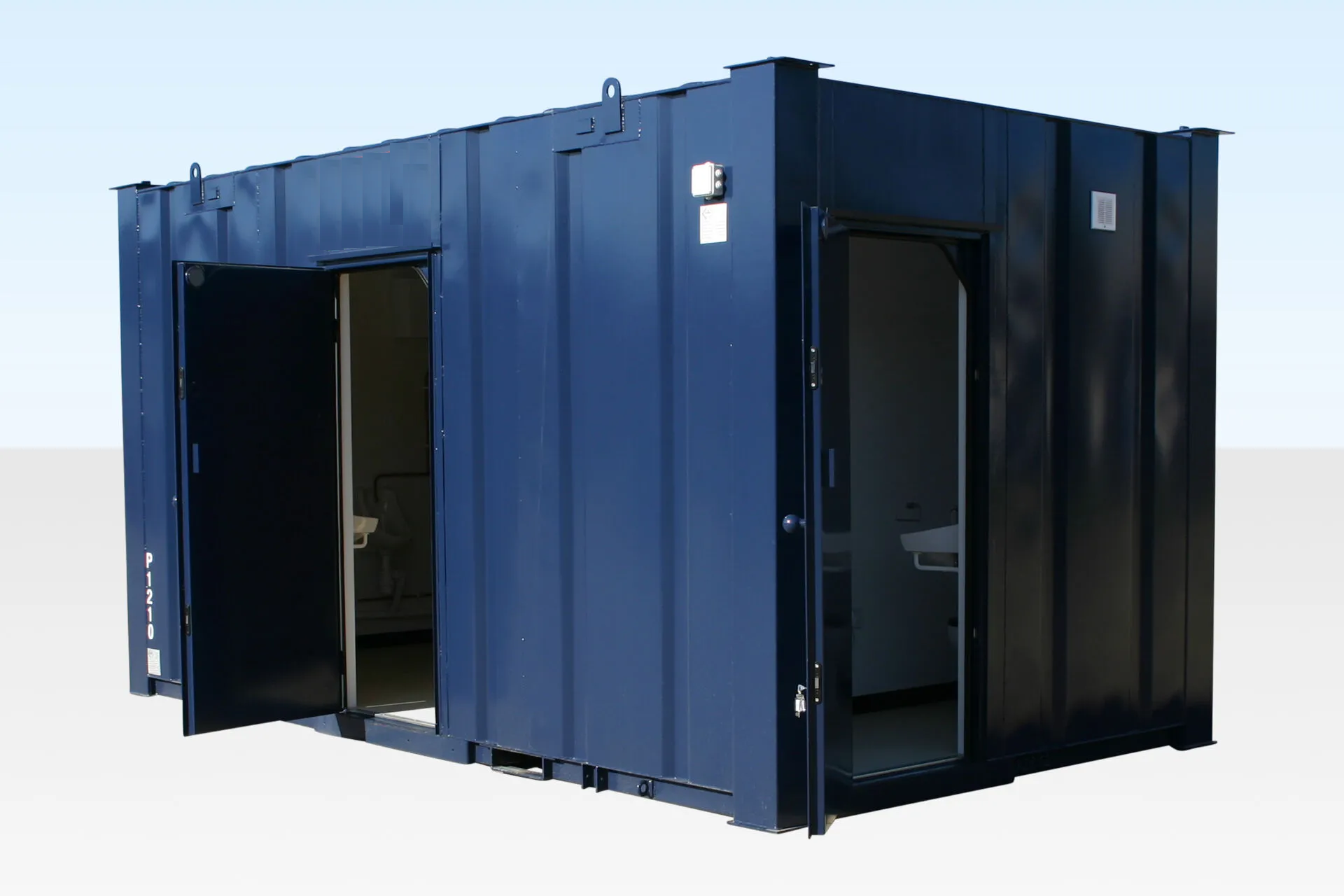
Understand the differences between one-trip, cargo-worthy, wind and watertight, storage-grade and as-is shipping containers before buying.
Shipping container condition grades help buyers understand the expected appearance, structural condition and intended use of a container. Terms such as one-trip, cargo-worthy, wind and watertight, storage-grade and as-is can significantly affect price and suitability.
However, these descriptions are not always applied identically by every supplier. A condition label should be treated as a starting point rather than a substitute for inspecting the container, reviewing photographs and confirming its intended use.
This guide explains the most common shipping container condition grades and how to choose the right one for storage, transportation, business use or conversion.
Browse Cargo Vault’s available Shipping Containers for Sale to compare sizes, conditions and configurations.
Quick Comparison of Container Condition Grades
| Condition Grade | General Appearance | Typical Uses | Important Consideration |
| One-trip | Newer appearance with limited handling marks | Homes, offices, retail projects, premium storage | Usually costs more |
| IICL-grade | Maintained to specified industry repair criteria | Freight and commercial applications | Availability may be limited |
| Cargo-worthy | Used appearance but structurally suitable for cargo use when properly certified | Transportation, exports and heavy-duty storage | Confirm current inspection requirements |
| Wind and watertight | Used appearance with functional doors and no obvious weather entry | Stationary storage | Not automatically certified for shipping |
| Storage-grade | Seller-specific used-storage condition | Tools, equipment and general storage | Definition varies by supplier |
| Refurbished | Repaired, cleaned or repainted used container | Customer-facing storage and conversions | Cosmetic work does not guarantee cargo certification |
| As-is | May have significant wear or damage | Repair projects and specialized uses | Requires careful inspection |
The exact condition of individual units can vary within the same general grade.
Why Container Condition Matters
The right condition depends on how the container will be used.
A container intended for a customer-facing office has different requirements from one used to store construction tools. A unit intended for international transportation must satisfy requirements that may not apply to stationary storage.
Condition can affect:
- Purchase price
- Appearance
- Weather resistance
- Door operation
- Structural suitability
- Certification status
- Modification costs
- Expected maintenance
- Resale value
- Suitability for transportation
Selecting the cheapest grade without considering repair and maintenance costs can become more expensive over time.
What Is a One-Trip Shipping Container?
A one-trip container is generally manufactured overseas, loaded with cargo once and transported to its destination market.
It is often the closest option to a new shipping container available within the United States.
One-trip containers generally have:
- Limited structural wear
- Newer doors and seals
- Cleaner interiors
- Less corrosion
- Fewer dents
- Newer flooring
- A more uniform exterior appearance
Minor scratches, dents and handling marks can still occur during manufacturing, loading, transportation and depot movement. “One-trip” does not necessarily mean visually perfect.
Best Uses for One-Trip Containers
One-trip containers are commonly selected for:
- Container homes
- Offices
- Workshops
- Retail units
- Schools
- Customer-facing businesses
- Long-term residential storage
- Projects where appearance matters
- Conversions requiring extensive modifications
They usually cost more than used units, but the cleaner condition may reduce preparation, repair and repainting work.
Read Cargo Vault’s Used vs. One-Trip Shipping Containers Guide for a more detailed comparison.
What Is an IICL-Grade Container?
IICL refers to the Institute of International Container Lessors. The term is sometimes used for containers maintained or repaired according to specified industry criteria.
An IICL-grade unit may have stricter repair standards than an ordinary used storage container. However, buyers should not rely on the label alone.
Ask the supplier to explain:
- What inspection criteria were used
- Whether an inspection report is available
- The date of the most recent inspection
- Whether repairs were completed
- Whether the container is currently approved for the intended transportation use
IICL-grade containers may be difficult to find in some locations and can cost more than other used units.
What Is a Cargo-Worthy Shipping Container?
A cargo-worthy container is generally considered structurally suitable for transporting cargo when it has the necessary valid inspection status and satisfies applicable carrier requirements.
Cargo-worthy containers may have:
- Exterior dents
- Scratches
- Surface corrosion
- Previous repairs
- Shipping-line markings
- Faded paint
- Floor wear
These cosmetic signs do not automatically make a container unsuitable for cargo use.
Important structural areas should remain serviceable, including:
- Corner posts
- Corner castings
- Top and bottom rails
- Crossmembers
- Roof
- Side walls
- Doors
- Flooring
Is Cargo-Worthy the Same as Certified?
Not automatically.
A container described as cargo-worthy may still require a current inspection, valid CSC documentation or approval from the relevant carrier before it can be used for transportation.
If you intend to ship cargo, tell the supplier before buying and confirm all current certification and inspection requirements.
Best Uses for Cargo-Worthy Containers
Cargo-worthy units may be suitable for:
- International or domestic cargo transportation
- Heavy-duty industrial storage
- Construction equipment
- Agricultural supplies
- Commercial inventory
- Projects where structural condition matters more than appearance
What Does Wind and Watertight Mean?
A wind and watertight container, often shortened to WWT, is generally intended to prevent ordinary wind and rain from entering when the doors are properly closed.
It should normally have:
- No obvious holes
- Functional cargo doors
- Serviceable door seals
- A roof that does not leak under ordinary conditions
- A structurally usable floor
- An enclosed interior
A WWT container can still have dents, rust, faded paint, patches and previous repairs.
Best Uses for WWT Containers
Wind and watertight containers are commonly selected for:
- Construction-site storage
- Farm storage
- Tools and equipment
- Household furniture
- Business inventory
- Seasonal supplies
- Stationary commercial storage
A WWT designation does not automatically mean the unit is currently certified for cargo transportation.
Browse Cargo Vault’s Used Shipping Containers when comparing budget-conscious storage options.
What Is a Storage-Grade Container?
“Storage-grade” is a seller-specific term generally used for containers considered suitable for stationary storage.
It may overlap with wind and watertight condition, but the exact definition can vary.
Before purchasing, ask the supplier to confirm:
- Whether the container has holes
- Whether the roof leaks
- Whether the doors work correctly
- Whether the seals are intact
- Whether the floor is usable
- Whether significant odors or contamination are present
- Whether the unit is suitable for your stored goods
Do not assume that every supplier uses the same storage-grade standard.
What Is a Refurbished Shipping Container?
A refurbished container is a used unit that has received repairs or cosmetic improvements.
Refurbishment may include:
- Exterior painting
- Rust treatment
- Patching
- Door repairs
- Seal replacement
- Floor repairs
- Cleaning
- Lockbox installation
The extent of the work varies. Some refurbished containers receive only a new coat of paint, while others undergo more extensive repairs.
Ask for a clear explanation of what was completed. A freshly painted exterior does not automatically confirm the structural condition or transportation certification of the unit.
What Is an As-Is Shipping Container?
An as-is container is sold in its present condition, normally without the same condition assurances associated with higher grades.
Possible issues may include:
- Roof holes
- Water entry
- Difficult doors
- Damaged seals
- Significant corrosion
- Floor damage
- Structural distortion
- Missing components
- Strong odors
- Previous modifications
As-is containers may be appropriate for buyers who can inspect and repair the unit or who need it for a specialized project.
They are generally not the best option for immediate weather-resistant storage unless repairs have been properly planned and budgeted.
How to Match the Grade to Your Project
Household Storage
A wind and watertight or clearly defined storage-grade container may be sufficient for furniture and household belongings.
Check carefully for leaks, moisture, odors and floor contamination.
Construction-Site Storage
A used WWT container can provide practical storage for tools and materials when appearance is not the main concern.
Door operation and security should receive particular attention.
International Transportation
Ask for a cargo-worthy unit and confirm the required inspection, certification and carrier acceptance before purchase.
Do not purchase a storage-only unit and assume it can later be used for shipping.
Container Home or Office
A one-trip container may reduce repair, cleaning and preparation work. Its newer appearance can also benefit customer-facing or residential projects.
A suitable used container may still work, but it should be carefully inspected before modifications begin.
Workshop Conversion
One-trip, cargo-worthy or higher-quality WWT containers may be considered depending on the project and local requirements.
Inspect the frame, roof, floor and planned areas for doors or windows before cutting the structure.
General Farm or Business Storage
A WWT or storage-grade container may offer an effective balance between condition and price.
The correct choice depends on the value and sensitivity of the stored goods.
What Should You Inspect?
Condition terminology should always be supported by a physical inspection, detailed photographs or a clear written condition description.
Roof
Look for:
- Holes
- Deep dents
- Standing-water areas
- Heavy corrosion
- Patches
- Damaged roof bows
Small roof holes may be difficult to see from the outside. One inspection method is to enter the empty container during daylight, close the doors and look for visible light entering through holes. Only perform an interior inspection when it is safe to do so and another person knows you are inside.
Doors and Seals
Open and close the cargo doors.
Check:
- Hinges
- Locking bars
- Handles
- Door frames
- Rubber seals
- Locking points
- Door alignment
Difficult doors may result from poor lubrication, structural distortion or an uneven placement surface.
Side Walls and End Walls
Dents and surface corrosion are common on used containers. Look more carefully for deep damage, separation, cracks, severe corrosion or repairs affecting the structure.
Flooring
Inspect the floor for:
- Soft areas
- Holes
- Warping
- Strong odors
- Oil stains
- Chemical contamination
- Delamination
- Previous repairs
Ask about the container’s history when sensitive products will be stored.
Structural Frame
Pay particular attention to:
- Corner posts
- Corner castings
- Upper rails
- Lower rails
- Crossmembers
- Door frames
Significant distortion or corrosion in structural areas should be professionally evaluated.
Use Cargo Vault’s guide on how to inspect a shipping container before buying for a more complete inspection checklist.
Ask Whether Photographs Show the Actual Container
Some listings use representative photographs because containers are selected from a group of units at a depot.
Ask whether the images show:
- The exact container being sold
- A representative unit of the same grade
- A previous container that is no longer available
If appearance is important, request current photographs of the actual unit when that service is available.
Important areas to photograph include the doors, roof, walls, floor, identification markings and any significant damage.
Compare the Complete Cost
A lower purchase price does not always produce the lowest final cost.
Include:
- Container price
- Delivery
- Site preparation
- Required repairs
- Cleaning
- Painting
- Lock upgrades
- Floor work
- Certification or inspection
- Modifications
- Future maintenance
An as-is container requiring major repairs may ultimately cost more than a suitable WWT unit.
Condition, size, location and delivery requirements can all influence price. Read about the factors that affect shipping container prices before comparing quotations.
Questions to Ask the Seller
Before ordering, ask:
- What condition grade is being offered?
- How does the seller define that grade?
- Is the container wind and watertight?
- Are there any known holes or leaks?
- Do the doors open and close correctly?
- What condition is the floor in?
- Are strong odors or contamination present?
- Are photographs of the actual unit available?
- Has the container been repaired or repainted?
- Is it currently suitable for transportation?
- Is a valid inspection or certification required?
- What warranty or condition guarantee applies?
- Is delivery included in the quotation?
- Can the container be inspected before acceptance?
Keep written copies of the condition description, quotation and agreed requirements.
Prepare for Delivery and Final Inspection
Prepare firm, level supports before the container arrives. Uneven placement can make even properly functioning doors difficult to operate.
When the container is delivered:
- Compare it with the ordered size and grade
- Check the identification number
- Inspect visible damage
- Open and close the doors
- Check the seals
- Inspect the interior
- Review the floor
- Confirm agreed accessories
- Document concerns promptly
Review Cargo Vault’s delivery information before preparing the site.
Choose the Right Condition for Your Needs
The best container is not automatically the newest or least expensive option. It is the unit whose condition, certification, appearance and price match the intended project.
Choose a one-trip container when appearance and minimal wear are important. Consider a cargo-worthy unit for transportation when the required inspection status is confirmed. A WWT or storage-grade container may provide better value for stationary storage, while an as-is unit should be purchased only with a clear repair plan.
Request a shipping container quote and provide your location, preferred size, intended use and required condition.