
Why Are Shipping Container Doors Hard to Open? Causes and Fixes
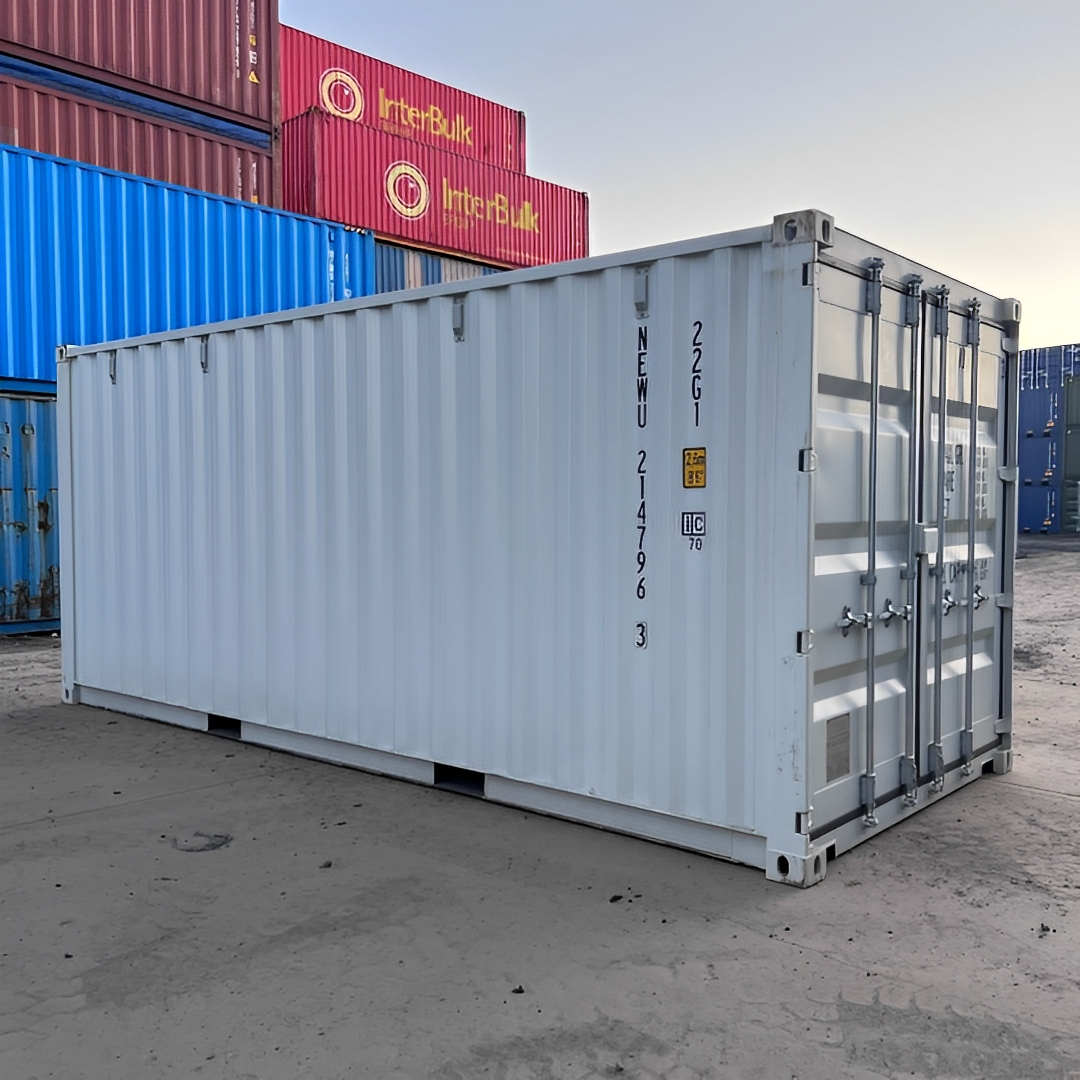
Learn why shipping container doors become difficult to open and how leveling, cleaning, lubrication and regular maintenance can restore proper operation.
Shipping container doors are designed to create a strong, secure closure, but they can become difficult to open when the container is uneven, the locking hardware is corroded or the door frame has been damaged.
In many cases, stiff cargo doors do not mean the doors themselves are defective. The problem may begin beneath the container. If one corner is not properly supported, the steel frame can twist slightly and move the doors out of alignment.
Identifying the cause before forcing the handles can prevent personal injury and expensive damage.
Quick Answer: Why Won’t My Shipping Container Doors Open?
The most common reasons shipping container doors become hard to open include:
- The container is not level
- One corner is unsupported
- Dirt or debris is blocking the door sill
- Hinges or locking bars need maintenance
- Rust has developed around moving components
- Door seals are dirty, dry or damaged
- The frame or doors are bent
- Cargo has shifted against the doors
- Lockboxes or security devices are obstructing movement
Check the container’s position and visible hardware before attempting adjustments or repairs.
How Shipping Container Cargo Doors Work
Most standard shipping containers have two steel cargo doors at one end.
Each door normally includes:
- Hinges
- Vertical locking bars
- Door handles
- Handle retainers
- Locking cams
- Cam keepers
- Rubber door seals
- A steel door frame
- Locking points for security devices
When a handle is rotated, the locking bar turns and moves the cams into or out of their keepers.
For the system to operate smoothly, the doors, hinges, locking bars, frame and container base must remain correctly aligned.
Many containers are designed so one door opens before the other. Follow the door design and any operating markings rather than forcing both doors simultaneously.
1. The Container Is Not Level
An uneven foundation is one of the most common causes of difficult container doors.
Shipping containers are rigid steel structures. If one corner settles or the supports are at different heights, the frame may twist enough to affect the door opening.
Possible signs include:
- One door operates better than the other
- The door rubs against the top or bottom frame
- Locking cams do not align with their keepers
- The problem started after delivery or heavy rain
- A visible gap has developed beneath one corner
- The cargo doors close only when lifted or pushed
Do not immediately grind, cut or adjust the doors. Correcting the container’s support may restore alignment without altering the door hardware.
Use the shipping container site-preparation checklist when planning a stable and well-drained placement area.
2. Ground Settlement Has Changed the Alignment
A container may be level on delivery day but become uneven later.
Settlement may occur when:
- The ground was not properly compacted
- Heavy rain softens the placement area
- Water collects beneath the container
- Supports sink into the soil
- Erosion removes material beneath one corner
- The container is heavily loaded on one side
Inspect the ground and supports before assuming the door mechanism has failed.
A qualified professional may need to lift and relevel the container. Never crawl beneath or work under a container unless it has been safely supported using equipment and procedures suitable for the load.
3. Dirt and Debris Are Blocking the Doors
Mud, gravel, ice, leaves and stored materials can obstruct the cargo-door sill.
Small debris may prevent the door from moving freely or stop the locking cams from engaging correctly.
Inspect:
- The lower door frame
- The threshold
- Cam keepers
- The area beneath each door
- Gaps around the seals
- The ground outside the entrance
Clean the area carefully before applying additional force.
Keep vegetation trimmed and maintain drainage around the container so dirt and moisture do not accumulate near the doors.
4. Hinges Need Cleaning or Lubrication
Container hinges are exposed to weather, salt, dust and repeated movement.
Without maintenance, the hinge pins may become stiff or corroded.
Possible signs include:
- Squeaking or grinding sounds
- Jerky movement
- Visible rust around the hinge pins
- A door that moves only partway
- Increased resistance after long periods without use
Remove loose dirt and inspect the hinges for damage. Apply a suitable lubricant that is compatible with the hinge materials, door seals and operating environment.
Follow the lubricant manufacturer’s instructions. Applying excessive lubricant can attract dust and create additional buildup.
If the hinges are bent, cracked or badly corroded, professional repair may be required.
5. Locking Bars and Cams Are Corroded
The vertical locking bars, brackets, cams and keepers must move together.
Surface corrosion or damaged coating can increase resistance and prevent the cams from rotating smoothly.
Inspect for:
- Rust around the locking-bar brackets
- Flaking metal
- Bent locking bars
- Cracked welds
- Damaged cam keepers
- Loose hardware
- Misaligned components
- Paint buildup around moving parts
Light surface corrosion may be cleaned and treated before it spreads. Deep pitting, weakened brackets or cracked welds should be professionally assessed.
The shipping container rust-prevention and repair guide explains how to distinguish manageable surface rust from more serious corrosion.
6. Door Seals Are Dirty or Damaged
Rubber gaskets help prevent wind and water from entering around the cargo doors.
Over time, seals may become:
- Dirty
- Dry
- Cracked
- Torn
- Displaced
- Painted over
- Compressed unevenly
A damaged or incorrectly positioned seal may catch against the frame and make the door harder to operate.
Clean the seals using an appropriate method and inspect the full perimeter. Use only maintenance products compatible with the gasket material.
Do not cut or remove part of the seal simply to make the door easier to close. This may allow water to enter the container.
Read Are Shipping Containers Waterproof? for more information about door seals and wind-and-watertight storage.
7. The Door or Frame Is Bent
Impact during transport, loading or previous use can bend cargo doors, hinges, locking bars or the surrounding frame.
Possible signs include:
- Visible dents near the door edge
- Uneven gaps around the door
- A door that appears lower on one side
- Locking bars that do not remain parallel
- Cams that miss their keepers
- Cracked or distorted hinges
- Previous welded repairs
Bent structural components should not be forced back into position without understanding the cause and load involved.
Cutting, heating or welding door-frame components can affect alignment, strength and weather resistance. Use an experienced container-repair professional for significant damage.
8. Cargo Is Pressing Against the Doors
Stored items may shift, lean or fall against the cargo doors.
This can place pressure on the door leaves and create a dangerous situation when the locking bars are released.
Warning signs may include:
- The doors bulging outward
- Unusual pressure on the handles
- Sounds of items moving inside
- A door that begins opening suddenly
- Known movement during transportation
- Tall items stored without restraint
Do not stand directly in front of a door that may be under pressure. Open it cautiously from a safe position and keep other people away from the swing area.
Professionals may be required when heavy or unstable cargo is pressing against the doors.
9. Security Equipment Is Obstructing the Doors
Lockboxes, padlocks, crossbar locks and other security equipment should protect the container without interfering with normal door movement.
Check that:
- All locks have been completely removed
- Padlock shackles are not caught
- A lockbox has not been damaged
- Security bars are fully disengaged
- Added components do not contact the handles
- Welded modifications have not distorted the door
Never force a handle against a partially engaged lock.
The shipping container security guide explains how to combine locks and physical security without depending on one device.
How to Diagnose a Stiff Container Door
Use a systematic inspection before attempting repairs.
Step 1: Inspect the Container From a Distance
Look along the roofline, side rails and base. Check whether the container appears tilted, twisted or unsupported at one corner.
Step 2: Check the Ground and Supports
Look for settlement, erosion, standing water or damaged support materials.
Step 3: Remove External Obstructions
Clear away mud, gravel, vegetation and debris from the threshold and door swing area.
Step 4: Inspect the Hardware
Examine the handles, locking bars, brackets, hinges, cams and keepers for corrosion, bending or visible damage.
Step 5: Check the Door Seals
Look for rubber that is torn, displaced or trapped between the door and frame.
Step 6: Operate One Component at a Time
Following the door’s proper opening sequence, move one handle at a time while observing the locking bars and cams.
Stop if a component bends, jumps suddenly or requires excessive force.
Step 7: Compare Both Doors
If one door works smoothly and the other does not, compare their hinge positions, seals, locking bars and frame gaps.
This can help identify whether the issue is limited to one door or caused by the container’s overall alignment.
How to Make Container Doors Easier to Open
The correct solution depends on the cause.
Relevel the Container
If the frame is twisted because of poor support, professional relevelling may restore the door alignment.
Do this before making permanent adjustments to the hinges or locking hardware.
Clean the Threshold and Door Hardware
Remove dirt, rust flakes and other buildup that restricts movement.
Keep the cam keepers and lower brackets clear.
Lubricate Appropriate Moving Parts
Use a suitable lubricant on hinges and locking-bar pivot points according to product and manufacturer instructions.
Keep lubricants away from surfaces where they could damage seals, coatings or stored goods.
Treat Early Corrosion
Remove loose surface corrosion and restore the protective coating before rust weakens hinges, brackets or locking bars.
Maintain Door Seals
Clean gaskets and replace seals that are badly torn, hardened or missing.
Arrange Professional Repairs
Bent doors, structural damage, cracked welds and badly corroded components require more than basic maintenance.
What Not to Do With a Stiff Container Door
Do Not Use an Extension Pipe on the Handle
An extension pipe can apply more force than the handle, locking bar or brackets were designed to withstand.
The handle may slip, bend or release suddenly and cause injury.
Do Not Strike the Locking Bars Repeatedly
Heavy hammering may damage brackets, welds, cams and door alignment.
Do Not Heat Components With an Open Flame
Heat can damage seals, coatings and nearby materials while creating fire and fume hazards.
Do Not Cut the Door Seal
Removing part of the gasket may make the door move temporarily but can allow rain and pests to enter.
Do Not Adjust the Doors Before Checking the Foundation
Permanent door changes may make the alignment worse if the actual problem is an uneven container.
Do Not Work Under an Unsupported Container
A shipping container is extremely heavy. Never crawl beneath or place any part of your body under a container that has not been safely supported.
Do Not Ignore Shifted Cargo
Doors under cargo pressure can open suddenly. Keep people outside the swing path and obtain professional assistance when necessary.
Container Door Maintenance Checklist
Inspect these areas regularly:
| Component | What to Check |
| Ground and supports | Settlement, erosion and standing water |
| Door hinges | Rust, stiffness, cracks and alignment |
| Locking bars | Bending, corrosion and free movement |
| Handles | Damage, looseness and proper retention |
| Cams and keepers | Alignment, buildup and wear |
| Door seals | Tears, gaps, hardness and displacement |
| Door frame | Dents, twisting and cracked welds |
| Threshold | Dirt, gravel, ice and vegetation |
| Security equipment | Damage or interference with door movement |
| Exterior coating | Scratches, peeling paint and exposed steel |
Containers in coastal, humid or dusty environments may require more frequent inspection and cleaning.
Inspect Doors Before Buying a Container
Test both cargo doors before accepting a container whenever possible.
The doors should:
- Follow the correct opening sequence
- Rotate without excessive force
- Swing through their intended range
- Close without being lifted manually
- Align with the frame
- Engage the cam keepers
- Hold the rubber seals evenly
- Accept the intended security lock
Difficult doors may indicate neglected maintenance, frame distortion or uneven placement.
Use the guide explaining how to inspect a shipping container before buying and review the available shipping container condition grades.
When Should You Call a Professional?
Arrange a professional inspection when:
- The container appears twisted
- The doors or frame are visibly bent
- A hinge or bracket is cracked
- Welds have failed
- Locking bars are severely corroded
- The doors are bulging from internal cargo
- Relevelling is required
- The container has significant structural rust
- A door moves unpredictably
- Basic cleaning and appropriate lubrication do not help
Do not continue forcing a damaged mechanism. Sudden movement can injure the operator and make the repair more expensive.
Frequently Asked Questions
Which Shipping Container Door Should Open First?
Many standard containers require the right-hand door to be opened before the left-hand door, but designs can vary.
Follow the operating sequence indicated by the door arrangement and do not force a door that overlaps or remains secured.
Why Did My Container Doors Become Difficult After Delivery?
The container may not be level on its new site. Even a small difference in corner support can twist the frame and affect door alignment.
Check the ground and supports before adjusting the hardware.
What Is the Best Lubricant for Container Doors?
Use a lubricant suitable for exterior metal hinges and locking hardware. It should also be compatible with nearby coatings and rubber seals.
Follow the product instructions and avoid excessive application.
Can I Adjust Shipping Container Doors Myself?
Cleaning, visual inspection and basic lubrication may be manageable for some owners. Relevelling, welding, hinge replacement and structural adjustments should be handled by qualified professionals with appropriate equipment.
Why Does Only One Container Door Stick?
One door may have a damaged hinge, displaced seal, bent locking bar or misaligned cam. Uneven support can also affect one side more than the other.
Compare both doors and inspect the container’s overall level.
Should Container Doors Be Difficult to Open?
Cargo doors are heavier than ordinary building doors, but properly maintained doors on a level container should operate without unsafe or extreme force.
Keep Your Shipping Container Doors Working Properly
Container-door problems are often easier to prevent than repair.
Start with a firm, level placement area. Keep the threshold clean, treat corrosion early, maintain door seals and inspect the hinges and locking bars regularly.
Proper maintenance protects access, security and weather resistance while helping extend the container’s usable life. Learn more about how long shipping containers last.
Browse CargoVault’s shipping container categories or request a quote for help selecting a container suited to your storage or project requirements.