
Do You Need a Permit for a Shipping Container? | Cargo Vault
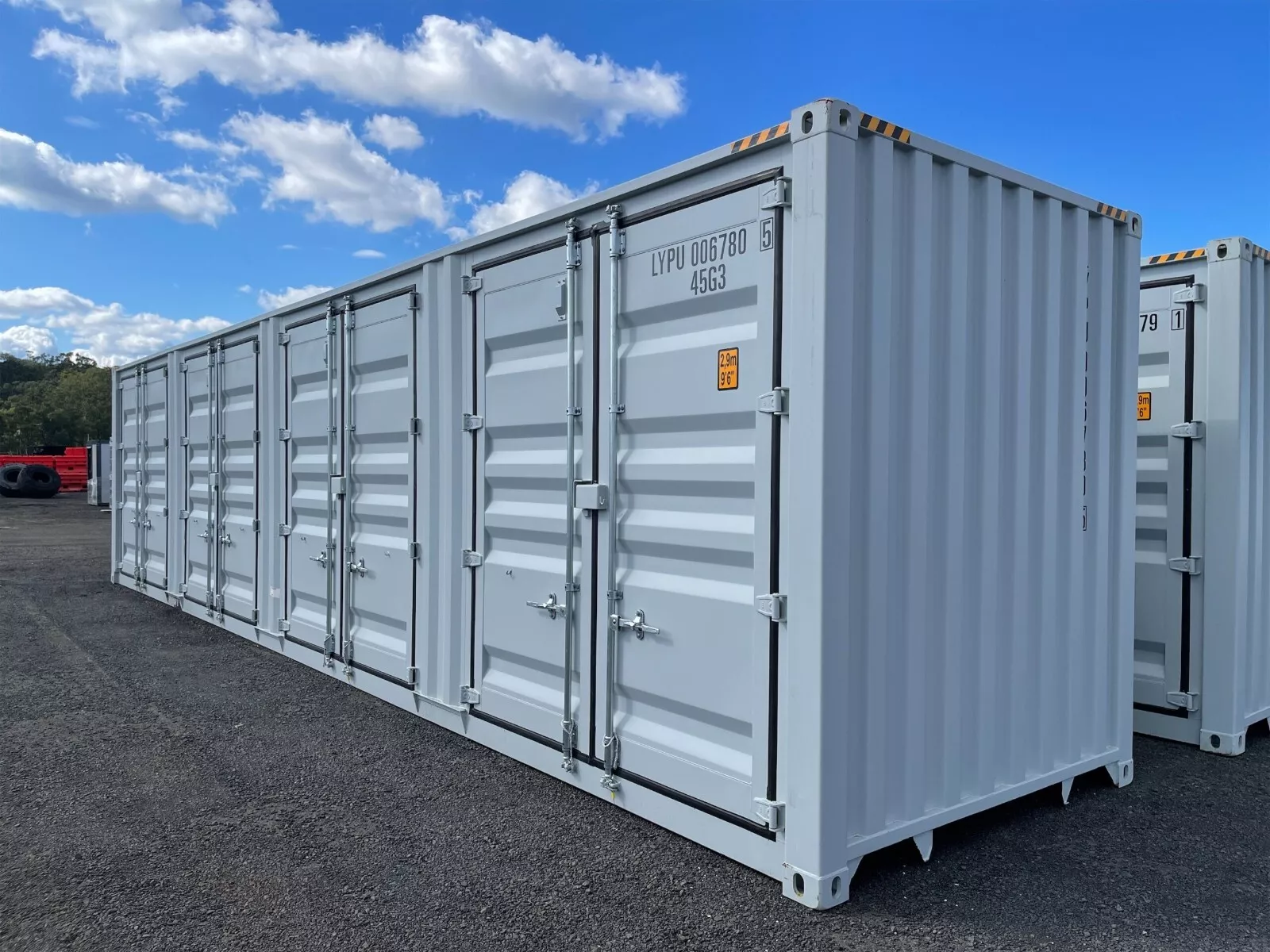
Planning to place a shipping container on your property? Learn which permits may be required and what to confirm with local authorities before ordering.
Do You Need a Permit for a Shipping Container? A U.S. Property Owner’s Guide
Possibly—and in many situations, yes.
Whether you need a permit for a shipping container depends on your location, zoning district, intended use, container size, placement duration, foundation and planned modifications.
A container used temporarily on a construction site may be treated differently from one installed permanently behind a house. A container converted into an office, workshop, retail space or dwelling will usually face more requirements than a basic storage unit.
Before ordering a container, contact your local planning or building department. Getting approval first can prevent fines, relocation expenses and delivery delays.
Quick Answer: When Is a Shipping Container Permit Most Likely Required?
A permit or formal approval is more likely when the container will:
- Remain on the property permanently
- Be placed in a residential zoning district
- Be used as an office, workshop, store or living space
- Be connected to electricity, plumbing, water or sewer
- Be installed on a permanent foundation
- Be modified with doors, windows or large wall openings
- Be located in a flood, coastal, wildfire, seismic or high-wind area
- Be accessible to employees, customers or members of the public
- Affect required setbacks, parking spaces or fire access
- Be used for commercial or industrial storage
A temporary, unmodified container may face fewer requirements, but “temporary” does not automatically mean permit-free. Some jurisdictions regulate temporary containers according to their location, use and number of days on the property.
The Main Approvals You May Need
There is no single nationwide shipping-container permit. Several different approvals may apply to one project.
Zoning Approval
Zoning rules determine whether a shipping container is allowed on a particular property and where it may be placed.
The planning department may examine:
- Whether containers are permitted in the zoning district
- Front, side and rear-yard setbacks
- Distance from neighboring properties
- Visibility from public roads
- Screening, fencing or landscaping
- Maximum lot coverage
- Container height and stacking
- Residential versus commercial use
- Historic-district or neighborhood design requirements
Zoning approval should usually be checked before purchasing the container. A container that meets structural requirements may still be prohibited in a particular zoning district.
Building Permit
A building permit may be required when the container is treated as a permanent structure or building.
Building officials may request:
- A site plan
- Container dimensions
- Foundation details
- Anchoring specifications
- Structural drawings
- Wind-load or snow-load calculations
- Information about wall openings and reinforcements
- Access and emergency-exit details
- Fire-safety information
- Construction drawings for an occupied conversion
The International Building Code contains provisions addressing intermodal shipping containers used as buildings or structures. However, the code adopted and amended by your state or local government determines which requirements apply to your project. Review the International Code Council’s shipping-container provisions and confirm the locally adopted code with the relevant authority.
Electrical, Plumbing and Mechanical Permits
Separate trade permits may be required when electricity, plumbing or HVAC equipment is installed.
Examples include:
- Interior lighting and electrical outlets
- Air-conditioning or heating systems
- Water-supply lines
- Toilets, sinks or showers
- Drainage and sewer connections
- Solar electrical systems
- Ventilation fans
- Fire-alarm or suppression systems
These installations may need to be completed or approved by licensed contractors.
Site-Development or Grading Approval
Site work can require additional approval, particularly when the project includes excavation, a driveway, drainage changes, utility trenches, retaining walls or a large concrete foundation.
Properties in flood-prone areas may also require elevation information, floodplain approval or an engineered foundation.
Fire Department Approval
Commercial, industrial and publicly accessible container installations may be reviewed for:
- Emergency access
- Distance from other buildings
- Storage of flammable materials
- Ventilation
- Fire separation
- Exit routes
- Fire extinguishers
- Maximum occupancy
Always disclose what will be stored inside the container. A unit holding tools or furniture may be regulated differently from one containing fuel, chemicals, batteries or other hazardous materials.
HOA or Community Approval
Homeowners’ associations can impose private restrictions in addition to government regulations.
An HOA may regulate the container’s visibility, color, screening, location or length of placement. HOA approval does not replace a government permit, and a government permit does not automatically override HOA rules.
Does the Intended Use Affect Permit Requirements?
Yes. The proposed use is one of the most important factors.
Storage Containers
A container used only for storage may have the simplest approval process. However, zoning restrictions, setbacks, appearance rules and foundation requirements may still apply.
Tell the local authority whether the container will hold household belongings, business inventory, vehicles, equipment or regulated materials.
Construction-Site Containers
Temporary containers are commonly used for tools, equipment and project materials.
The contractor may still need to show:
- Where the container will be placed
- How long it will remain
- That it will not block emergency access
- That it will not occupy a public right-of-way
- That it is associated with an active permitted project
The container may need to be removed when construction is completed.
Container Offices and Workshops
A container used by employees or customers may be considered an occupied structure.
Requirements can involve:
- Safe entrances and exits
- Accessibility
- Ventilation
- Heating and cooling
- Electrical safety
- Fire protection
- Structural reinforcement
- Maximum occupancy
- Restroom access
Review available Cargo Vault container modifications when planning doors, windows, insulation, electrical systems or ventilation.
Container Homes and Accommodation
Using a shipping container as a dwelling usually creates the most extensive approval process.
The project may need to satisfy residential requirements for structural safety, insulation, energy efficiency, ventilation, sanitation, natural light, emergency exits, room dimensions and utility connections.
Drawings prepared by an architect or engineer may be required. Approval for a basic storage container should never be assumed to cover residential occupancy.
Do Small Containers Need Permits?
Container size can affect the requirements, but size alone does not determine whether approval is necessary.
Some jurisdictions exempt small accessory structures from a building permit while still requiring zoning compliance. Others have rules specifically restricting shipping containers regardless of their size.
For example, the City of Savannah’s storage-shed guidance provides a local building-permit threshold while still requiring property owners to verify zoning, setbacks and lot coverage. Savannah zoning materials also contain container-specific restrictions in certain situations. This demonstrates why buyers must check both building and zoning rules instead of relying on a general size exemption. Review the City of Savannah storage-shed guidance and its zoning information.
These are local examples, not nationwide rules.
Information to Gather Before Contacting the Permit Office
Prepare the following information before calling or submitting an application:
- Property address and parcel number
- Current zoning classification
- Container size and height
- New, one-trip or used condition
- Proposed use
- Temporary or permanent placement
- Expected placement duration
- Distance from buildings and property boundaries
- Foundation type
- Anchoring method
- Planned doors, windows or wall openings
- Electrical, plumbing or HVAC connections
- Materials that will be stored
- Whether employees or customers will enter
- Delivery-truck access requirements
A simple site plan should show the property boundaries, existing buildings, driveways, utilities and proposed container location.
For a larger project, the authority may request professionally prepared drawings. Chatham County’s storage-building permit materials, for example, request site and construction information for covered accessory-building projects. Requirements vary, so obtain the current checklist directly from your jurisdiction. See the Chatham County storage permit application.
Foundations, Anchoring and Permit Approval
Permit officials may want to know how the container will be supported and secured.
The foundation must account for:
- Soil condition
- Drainage
- Container size
- Loaded weight
- Frost depth
- Flood exposure
- Wind conditions
- Seismic requirements
- Planned structural modifications
Compare gravel pads, concrete footings, slabs and engineered supports in our guide to choosing the best foundation for a shipping container.
Containers in high-wind or hurricane-prone areas may require an engineered anchoring system. Our shipping-container anchoring guide explains how foundations, corner castings and anchors work together.
Do not select a foundation or anchoring system solely from a general online guide. A qualified local contractor or engineer should confirm what is suitable for the property, loads and adopted building codes.
What Happens If You Install a Container Without Approval?
Possible consequences include:
- Stop-work orders
- Municipal fines
- Orders to remove or relocate the container
- Delayed electrical or plumbing approval
- Problems selling or refinancing the property
- Insurance complications
- Additional engineering and inspection costs
- Difficulty obtaining approval for later modifications
Moving a loaded container can be expensive. Checking the regulations before delivery is usually easier than correcting an unauthorized installation.
Shipping Container Permit Checklist
Before ordering:
- Confirm the property’s zoning classification
- Ask whether shipping containers are permitted
- Confirm setbacks and screening requirements
- Explain exactly how the container will be used
- Ask whether a building permit is required
- Identify electrical, plumbing or mechanical permits
- Check floodplain and high-wind requirements
- Review HOA or deed restrictions
- Prepare a site plan
- Confirm the foundation and anchoring requirements
- Obtain written approval where possible
- Keep copies of permits and approved drawings
After approval, use our shipping-container site-preparation checklist to prepare the placement area and delivery route.
Frequently Asked Questions
Can I Put a Shipping Container in My Backyard?
Possibly. Backyard placement depends on local zoning, setbacks, lot coverage, screening rules and restrictions on shipping containers as accessory structures. Contact the local planning department before ordering.
Do I Need a Permit for a 20ft Shipping Container?
The container’s size is only one factor. Its use, location, placement duration, foundation, utilities and local zoning rules determine whether approval is required.
Can I Use a Shipping Container as a Workshop?
A workshop may require zoning and building approval, especially if electrical power, HVAC equipment, employees or customers are involved.
Does a Temporary Container Need a Permit?
It may. Some jurisdictions allow temporary containers for limited periods, while others require approval based on placement, use or location.
Can I Connect Electricity Before Receiving a Permit?
Electrical work generally needs to follow the locally required permit and inspection process. Confirm the requirements before installing wiring, outlets or equipment.
Can Cargo Vault Obtain the Permit for Me?
Property owners are normally responsible for confirming local requirements. Cargo Vault can provide available container specifications and information that may support the application, but the local authority decides whether the project is approved.
Confirm Local Requirements Before Delivery
There is no universal answer that applies to every U.S. property.
Permit requirements depend on the location, zoning district, container use, foundation, utilities and structural work involved. Contact the local planning and building departments before purchasing or preparing the site.
Once the requirements are confirmed, request a Cargo Vault quote for a container that fits the approved size, condition and intended use.
This guide provides general educational information and does not replace advice from a building official, zoning authority, engineer or qualified legal professional.