
How to Avoid Shipping Container Scams When Buying Online
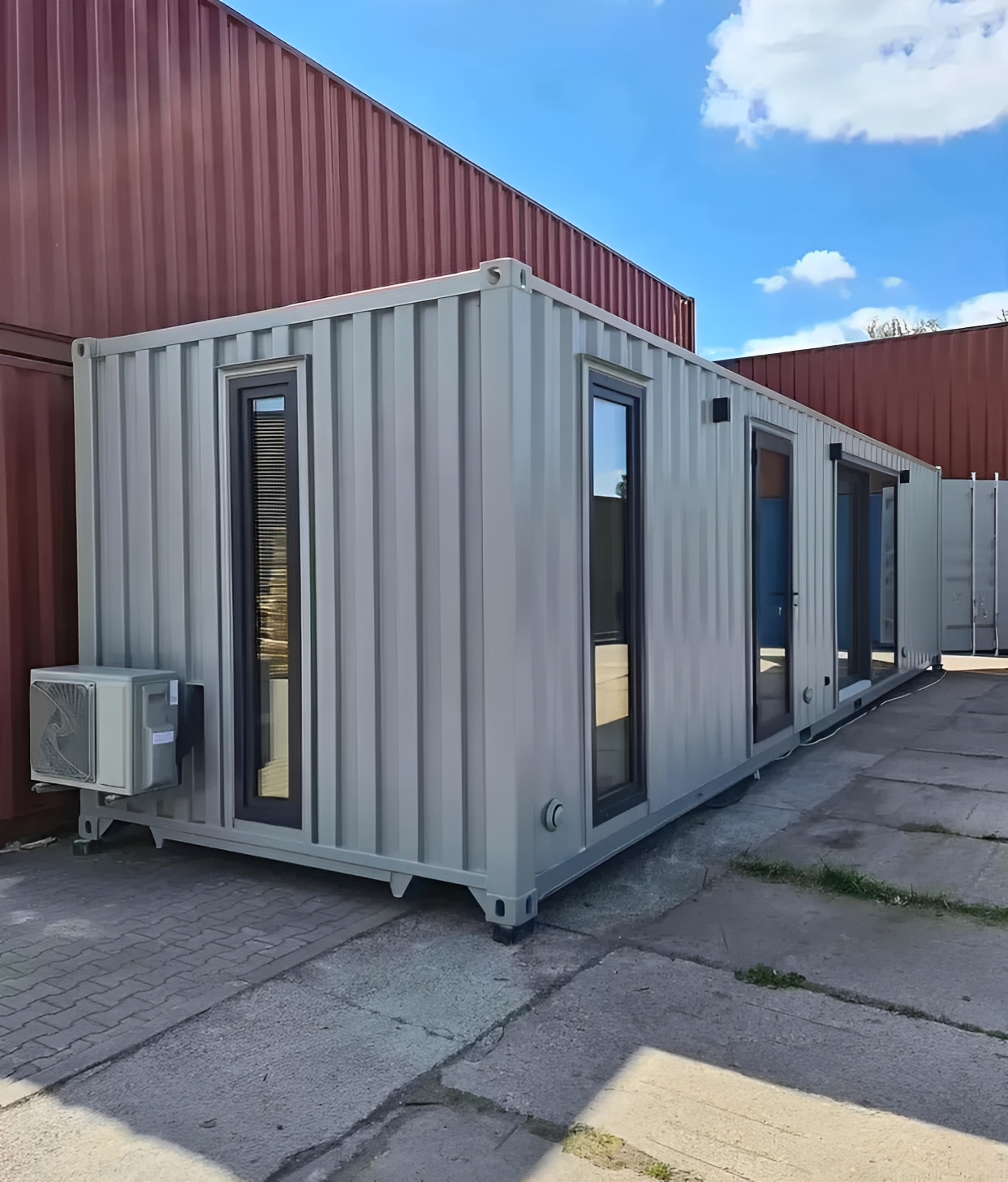
Learn how to recognize shipping container scams, verify a seller and confirm container, payment and delivery details before purchasing online.
Buying a shipping container online can be convenient, especially when you need to compare sizes, conditions and delivery options from several suppliers. However, expensive products advertised online can also attract dishonest sellers, cloned websites and misleading listings.
A professional-looking website or low advertised price does not automatically prove that a container is available. Before sending payment, buyers should verify the seller, understand the container’s condition and obtain clear delivery terms in writing.
This guide explains how to recognize common shipping container scams and purchase a container online with greater confidence.
Why Shipping Container Scams Can Be Difficult to Recognize
Unlike smaller online purchases, shipping containers are often stored in depots that customers cannot easily visit. Buyers may also live several hours away from the nearest container yard.
This creates opportunities for dishonest sellers to:
- Advertise containers they do not possess.
- Copy photographs from another company’s website.
- Offer unrealistically low prices to attract inquiries.
- Request payment through an unrelated personal account.
- Add unexpected delivery charges after receiving payment.
- Substitute a damaged container for the condition originally promised.
- Pretend to represent a legitimate container company.
A genuine seller should be willing to provide clear information about the container, the business, payment requirements and delivery arrangements.
1. Verify the Seller’s Business Information
Begin by checking whether the seller’s business details are consistent across the website, quotation and invoice.
Review the following information:
- Full business name.
- Physical or mailing address.
- Working telephone number.
- Business email address.
- Website domain.
- Name shown on the invoice.
- Name of the payment recipient.
- Terms and conditions.
- Refund, cancellation and delivery policies.
Be cautious when a seller’s invoice uses a completely different business name without explaining the relationship.
You should also be careful if the seller communicates only through a personal messaging account and refuses to speak by telephone or email.
A business email address connected to the company’s website is generally easier to verify than an unrelated free email address. However, email alone is not enough. Confirm important payment details by calling the telephone number published on the company’s official website.
2. Be Careful With Prices That Appear Unrealistically Low
Shipping container prices vary according to size, condition, type, location, availability and delivery distance. A lower price is not automatically suspicious, but an offer far below comparable quotations deserves additional verification.
A dishonest seller may advertise a very low container price and later introduce additional charges for:
- Delivery.
- Depot release.
- Loading.
- Taxes.
- Insurance.
- Customs documentation.
- Site access.
- Crane or specialized unloading equipment.
Instead of comparing the advertised container price alone, compare the complete delivered price.
A proper quotation should show the container cost, delivery charge, taxes, modifications and any other required fees before you authorize payment.
If you are still comparing container types and purchasing requirements, review the Cargo Vault Buyer’s Guide.
3. Ask for Clear Information About the Actual Container
Stock photographs can help show what a container type generally looks like, but they should not be presented as photographs of a specific used container.
When buying a used unit, ask whether the photographs represent:
- The exact container being sold.
- A typical container of the same condition grade.
- A new or one-trip container from the same batch.
- A general example used for advertising.
For a specific used container, request recent photographs showing:
- Both sidewalls.
- The front wall.
- The cargo doors.
- The roof where possible.
- The interior.
- The flooring.
- The lower rails and corners.
- Visible rust, dents or repairs.
- The container identification markings.
For additional protection, you can ask the seller to provide a new photograph containing a simple reference you requested, such as a handwritten date or quotation number beside the container.
This does not replace a full inspection, but it can help establish whether the seller has access to the unit being discussed.
4. Understand the Condition Grade Being Offered
Terms such as “used,” “good condition” or “excellent container” can mean different things to different sellers. The written quotation should use a recognizable condition description.
Common descriptions include:
One-Trip Container
A one-trip container has normally completed one cargo journey from the manufacturer. It may still have handling marks, small dents or paint scratches, but it is generally newer than a standard used container.
Cargo-Worthy Container
A cargo-worthy container should be structurally suitable for international cargo transport when properly inspected and certified. Buyers requiring export use should confirm the inspection and certification requirements separately.
Wind and Watertight Container
A wind and watertight container should prevent ordinary wind and rain from entering when its doors are properly closed. It may have visible cosmetic wear, repairs, dents or surface rust.
As-Is Container
An as-is container is sold in its present condition and may require repairs. Buyers should not assume that it is watertight, structurally suitable or ready for immediate use unless this is specifically confirmed.
Before ordering, use the Shipping Container Buying Checklist to compare the condition, price and delivery terms.
5. Inspect the Container or Request an Inspection Report
Whenever possible, inspect a used container before purchasing it. If you cannot visit the depot, ask whether the seller can provide an inspection report, detailed video or recent photographs.
Important inspection areas include:
- Door operation.
- Door seals and gaskets.
- Roof condition.
- Floor condition.
- Structural rails.
- Corner posts and castings.
- Rust penetration.
- Previous patches or welding.
- Interior light leaks.
- Strong odors or chemical contamination.
Minor dents and surface rust are common on used containers. The important question is whether the damage affects security, weather resistance or structural performance.
Our Shipping Container Inspection Guide explains what to examine before accepting a new or used unit.
6. Confirm the Size and Specifications
A legitimate quotation should identify the container’s size and type clearly. Do not rely only on a photograph because standard and high-cube containers can look similar from some angles.
Confirm whether you are purchasing a:
- 10ft container.
- 20ft standard container.
- 20ft high-cube container.
- 40ft standard container.
- 40ft high-cube container.
- Open-top container.
- Double-door container.
- Side-opening container.
- Refrigerated container.
- Modified storage or office unit.
Check the external dimensions, internal dimensions, door opening and approximate capacity before ordering.
The Shipping Container Dimensions, Weight and Capacity Guide can help you confirm whether the proposed container matches your storage or project requirements.
7. Obtain a Complete Written Quotation
Do not rely solely on a telephone conversation or informal message. Request a written quotation or invoice before making payment.
The document should include:
- Seller’s business details.
- Customer’s name or business name.
- Container quantity.
- Container size and type.
- Condition grade.
- Agreed modifications.
- Container price.
- Delivery charge.
- Applicable taxes.
- Delivery location.
- Total amount payable.
- Payment instructions.
- Estimated delivery period.
- Cancellation or refund terms.
Read the entire document and ask questions about anything that is unclear.
If the quotation changes, request an updated written version rather than relying on a verbal promise.
8. Verify Payment Instructions Carefully
Wire transfers are commonly used for legitimate commercial purchases, including shipping containers. The payment method itself does not prove that an offer is genuine or fraudulent.
Before sending money, verify that:
- The beneficiary name matches the seller or an explained related company.
- The amount matches the final written quotation.
- The bank details were confirmed using a trusted telephone number.
- Any recent change to the payment account was independently verified.
- You understand whether the payment is a deposit or the full balance.
- You have received the applicable sales and delivery terms.
Be especially cautious when someone suddenly changes the bank details by email, pressures you to pay immediately or asks you to divide the payment among unrelated personal accounts.
Gift cards, cryptocurrency and other difficult-to-reverse payment methods should not be accepted as substitutes for normal documented business payment without careful verification.
Some legitimate suppliers require payment before releasing or delivering a container. The important point is to verify the company and understand the written terms before paying.
9. Confirm the Delivery Arrangements
A container purchase is not complete until the delivery requirements are understood.
Ask the seller:
- Where the container will be dispatched from.
- Whether delivery is included in the quotation.
- What type of truck will be used.
- Who is responsible for unloading.
- How much access space the truck requires.
- Whether the ground must be level and firm.
- What happens if the delivery truck cannot access the property.
- Whether additional waiting or redelivery charges may apply.
A seller who cannot explain basic delivery requirements may not have properly planned the order.
You should also verify that your delivery address, telephone number and preferred container orientation are written correctly.
10. Watch for Pressure and Inconsistent Answers
Scammers often try to prevent buyers from having enough time to verify an offer.
Warning signs may include:
- Claims that payment must be made within minutes.
- Refusal to provide a written quotation.
- Different prices from different representatives.
- Photographs that appear on several unrelated websites.
- Business names that change during the conversation.
- Payment requested to an unexplained personal account.
- Refusal to answer questions about condition or delivery.
- Promises that are not included in the invoice.
- Extremely low prices combined with immediate payment pressure.
- Poorly explained charges introduced after the initial agreement.
One warning sign may have an innocent explanation. Several warning signs appearing together should be treated seriously.
Quick Safety Checklist Before Paying
Before authorizing payment, confirm that you can answer yes to these questions:
- Have I verified the seller’s business identity?
- Have I spoken with a representative using a trusted telephone number?
- Do I have a complete written quotation?
- Does the quotation identify the container’s size and condition?
- Have I received appropriate photographs or inspection information?
- Is the total delivered price clearly stated?
- Do the payment details match the documented seller?
- Have I confirmed any unexpected change to the bank details?
- Are the delivery requirements and estimated timing explained?
- Do I understand the cancellation and refund terms?
If an important detail remains unclear, pause the transaction and request clarification.
What Should You Do If an Offer Appears Suspicious?
Do not allow payment pressure to replace proper verification.
If you suspect that an offer may be fraudulent:
- Stop communicating through any unverified contact method.
- Contact the company using information published on its official website.
- Ask the seller to confirm the quotation and payment instructions.
- Search for duplicated listing photographs or copied business information.
- Keep copies of emails, quotations, invoices and payment instructions.
- Do not send additional money to release a payment or correct an unexplained problem.
- If money has already been transferred, contact your financial institution promptly.
Acting quickly may improve the chances of stopping or tracing a payment, although recovery is never guaranteed.
Frequently Asked Questions
Is It Safe to Buy a Shipping Container Online?
Yes, many containers are legitimately purchased online. Buyers should still verify the seller, container condition, total delivered price and payment instructions before completing the order.
Should I Pay for a Shipping Container Before Delivery?
Payment policies vary between suppliers. Some require full payment before depot release, while others may accept a deposit followed by the remaining balance. Make sure the payment schedule and delivery terms are documented in writing.
Can I Trust Stock Photographs?
Stock photographs are useful for showing a general container type, but they may not represent the exact condition of a used unit. Ask whether the image shows the actual container or a representative example.
Does a Container Identification Number Prove Ownership?
An identification number helps distinguish one container from another, but it does not independently prove that the person advertising it has authority to sell it. Verify the seller and transaction documents as well.
Is the Cheapest Container Usually the Best Deal?
Not necessarily. A low-priced container may require repairs or have higher delivery charges. Compare the condition, dimensions, modifications, delivery costs and total value rather than the advertised price alone.
Buy With Greater Confidence
A safe container purchase begins with clear information. Verify the seller, review the container specifications, understand the condition grade and obtain the complete delivered price in writing.
Cargo Vault Containers can help you compare available container sizes, conditions and delivery requirements. When you are ready to discuss your project, request a shipping container quote.