
Shipping Container Buying Checklist: 15 Questions Before You Order
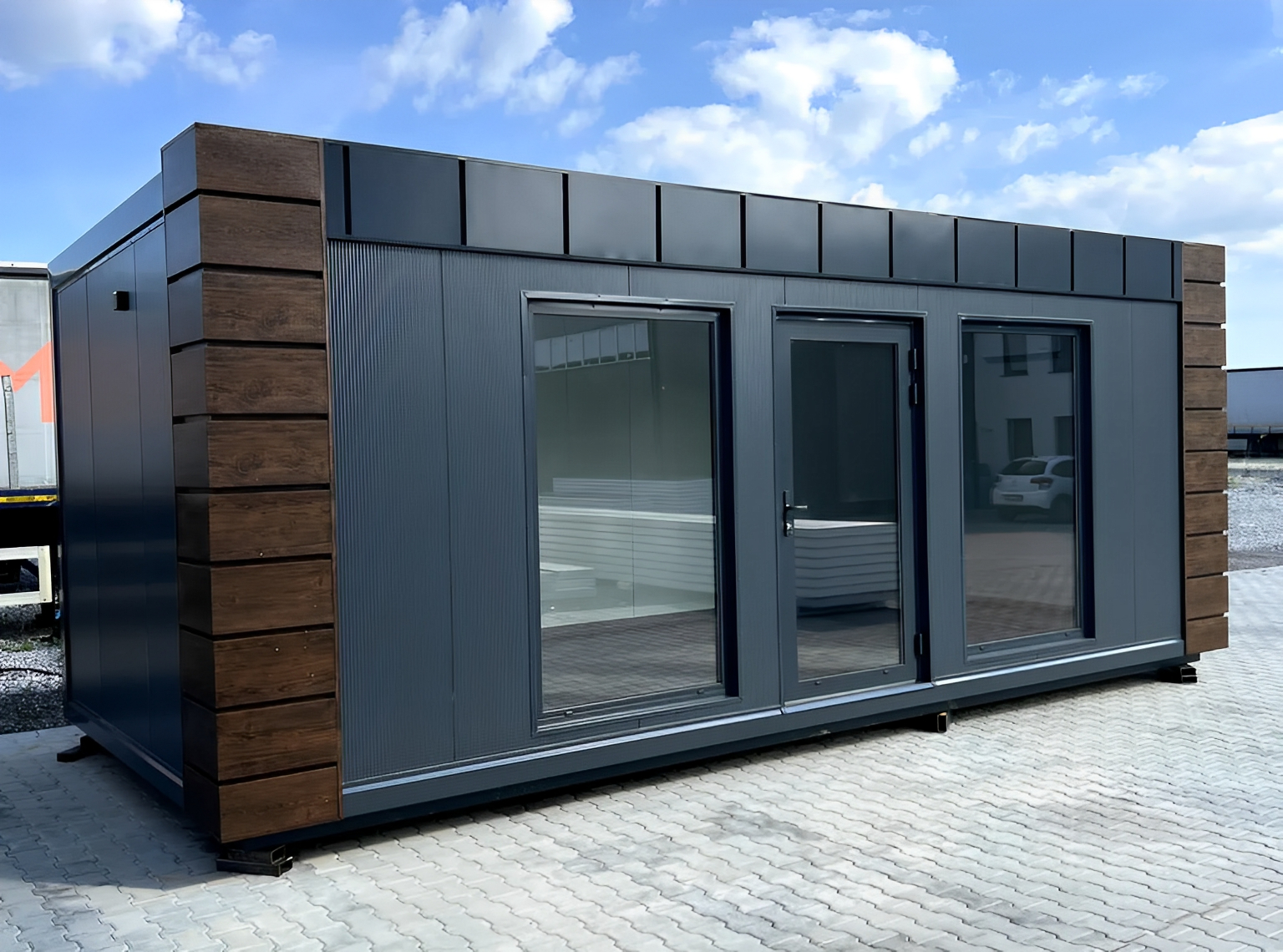
Ask these 15 questions before ordering a shipping container, from size and condition to delivery access, pricing and warranty terms.
Buying a shipping container is easier when you know exactly what to ask before placing the order. Price is important, but it is only one part of the decision.
The container’s size, condition, configuration, delivery method, site access, foundation and seller terms can all affect the final cost and whether the unit works for your project.
Use this shipping container buying checklist to collect the right information, compare written quotations and avoid preventable problems.
Quick Shipping Container Buying Checklist
Before ordering, ask these 15 questions:
- What will the container be used for?
- What size provides enough usable space?
- Do you need a standard, High Cube or specialty container?
- Which condition grade suits your project?
- Are you buying the exact container shown?
- Has the container been inspected?
- What is included in the quoted price?
- Which delivery method will be used?
- Can the delivery truck access your property?
- Does the placement require permission or a permit?
- Is the final site properly prepared?
- Should modifications be completed before delivery?
- How will you control security, ventilation and moisture?
- What warranty, return and payment terms apply?
- Have you verified the seller and order details?
1. What Will the Container Be Used For?
Start with the intended use rather than the container’s appearance or advertised price.
Common applications include:
- Household storage
- Commercial inventory
- Construction equipment
- Farm tools and supplies
- Vehicle storage
- Workshops
- Site offices
- Retail spaces
- Modular buildings
- Temporary facilities
- Residential conversions
- International freight
Write down what will be stored, how frequently the container will be accessed and whether people will work or live inside it.
A container suitable for basic tool storage may not be appropriate for food products, temperature-sensitive materials, hazardous goods or an occupied conversion.
Your intended use affects the required size, condition, flooring, ventilation, security and modifications.
2. What Container Size Do You Need?
Choosing a container that is too small can create an immediate storage problem. Choosing one that is unnecessarily large can increase the purchase, preparation and delivery requirements.
Estimate:
- The volume of goods being stored
- The largest individual item
- Required aisle space
- Shelving depth
- Pallet or equipment dimensions
- Space for future inventory
- Available land
- Delivery access
The most common lengths are 20ft and 40ft. Compact and specialty sizes may also be available depending on location.
A High Cube container provides additional interior height but has a similar ground footprint to a standard container of the same length.
Review our shipping container dimensions, weight and capacity guide before selecting a size.
3. Do You Need a Standard, High Cube or Specialty Container?
A standard dry container is suitable for many storage projects, but specialized configurations may make loading or everyday access easier.
Options can include:
Standard Dry Container
Suitable for general storage, equipment, household goods and many business applications.
High Cube Container
Provides additional interior height for tall equipment, shelving, bulky cargo and conversions.
Double-Door Container
Has cargo doors at both ends, allowing access from either direction.
Open-Side Container
Provides wider side access for displays, bulky equipment or goods that are difficult to load through the end doors.
Open-Top Container
Designed for cargo that needs to be loaded from above. The removable covering does not provide the same rigid roof as a standard enclosed container.
Flat-Rack Container
Used for oversized or irregular cargo that cannot fit inside an enclosed unit. It is not intended to provide fully enclosed storage.
Refrigerated Container
Designed for temperature-controlled use. Buyers must evaluate the refrigeration system, electrical supply, maintenance history and operating cost.
Select the configuration based on the project rather than assuming a specialty container is automatically better.
4. Which Condition Grade Is Appropriate?
Condition descriptions affect price, appearance, transport eligibility and expected repairs.
One-Trip Container
A one-trip container has usually completed one cargo journey from its manufacturing region. It generally has fewer dents, less fading and a cleaner appearance than an older used unit.
It can be a strong option for:
- Offices
- Retail spaces
- Customer-facing locations
- Residential conversions
- Appearance-sensitive projects
“One-trip” does not mean completely untouched. Minor handling marks, scratches and small dents may still be present.
Cargo-Worthy Container
A cargo-worthy container should be structurally suitable for freight transport when properly inspected and certified.
If you intend to ship cargo internationally, ask about the CSC plate, examination status and inspection documentation.
Wind and Watertight Container
Wind and watertight containers are commonly purchased for stationary storage. They should prevent ordinary wind and rain from entering when the doors are correctly closed.
This grade does not automatically mean the container is currently certified for international transportation.
As-Is Container
An as-is container may require repairs. It can have damaged flooring, difficult doors, corrosion, holes or structural problems.
Ask the seller to define every condition term in writing because grading practices can vary.
5. Are You Buying the Exact Container Shown?
Some sellers display photographs of a representative container rather than the exact unit the customer will receive.
Ask:
- Do these photographs show my specific container?
- Will the identification number appear on my invoice?
- Can I receive current photographs?
- Can I inspect the container before purchasing?
- Which cosmetic differences are allowed?
- Is the condition guaranteed in writing?
If the quotation is for a representative-grade container, request a clear written description of the acceptable condition range.
For a specific-unit sale, compare the container identification number on the invoice, photographs and delivered unit.
6. Has the Container Been Properly Inspected?
A shipping container can look acceptable from one angle while having flooring, roof, door or structural problems elsewhere.
The inspection should cover:
- Corner posts
- Corner castings
- Top and bottom rails
- Side and end walls
- Roof
- Cargo doors
- Hinges and locking bars
- Rubber seals
- Interior walls
- Flooring
- Vents
- Underside and crossmembers
- Previous repairs
- Water-resistance concerns
- Identification and safety plates
Ask whether the inspection was completed by the seller, depot or an independent professional.
Use our complete shipping container inspection guide when reviewing a new or used unit.
7. What Is Included in the Quoted Price?
An advertised container price may not represent the final delivered cost.
Request an itemized written quotation showing:
- Container price
- Container size and condition
- Quantity
- Sales tax
- Delivery charge
- Fuel or distance charges
- Residential or restricted-access charges
- Crane or special-equipment charges
- Modifications
- Site work
- Inspection or certification fees
- Deposit
- Remaining balance
- Estimated delivery window
Confirm whether the quotation can change because of inventory availability, delivery conditions or fuel costs.
Compare quotations based on the same container grade, location and services. A lower initial price may become more expensive after freight, repairs and site work are added.
8. Which Delivery Method Will Be Used?
The delivery method determines how much space and equipment the property requires.
Tilt-Bed Delivery
The trailer tilts and allows the container to slide onto the prepared surface. This method usually requires a straight unloading path and room for the truck to move forward.
Flatbed Delivery
A flatbed transports the container but may require the buyer to provide suitable offloading equipment.
Side-Loader Delivery
A side loader places the container beside the truck using hydraulic equipment. It requires sufficient side clearance and stable ground.
Crane Delivery
A crane may be necessary when the container must pass over a fence, wall, building or other obstruction.
Ask which method is included in the quotation and whether the container will be placed in its final position.
9. Can the Delivery Truck Access the Property?
A container may fit on the property even when the delivery truck cannot reach the proposed location.
Measure:
- Gate width
- Driveway width
- Straight unloading length
- Turning area
- Overhead clearance
- Tight corners
- Road access
- Slopes
- Bridges and culverts
- Distance between fixed obstacles
Also identify:
- Power lines
- Low branches
- Fences
- Roof overhangs
- Parked vehicles
- Septic systems
- Drain fields
- Soft ground
- Weak pavement edges
Review our shipping container delivery-space requirements and send current photographs and measurements to the delivery provider.
The driver must make the final decision about whether the approach and unloading operation are safe.
10. Do You Need Permission or a Permit?
Permit and zoning requirements vary between cities, counties, states and property types.
Ask the relevant local authority about:
- Temporary-container rules
- Permanent placement
- Required setbacks
- Foundation permits
- Residential use
- Commercial use
- Utility connections
- Structural modifications
- Occupancy
- Fire access
- Flood zones
- Historic districts
Homeowners’ associations, landlords and commercial property managers may impose additional requirements.
A seller can provide container specifications, but the property owner is normally responsible for confirming local placement and use requirements.
11. Is the Placement Site Prepared?
The container should rest on a firm, stable and appropriately level surface.
Possible foundation options include:
- Compacted gravel pad
- Concrete piers
- Concrete footings
- Reinforced slab
- An engineered foundation
The correct choice depends on the container’s size, expected load, soil, drainage, climate, modifications and intended duration of use.
Avoid placing a container permanently on soft grass, loose soil or unstable piles of blocks.
Before delivery:
- Select the exact position.
- Decide which direction the cargo doors should face.
- Check drainage.
- Mark underground utilities before excavation.
- Clear vehicles and equipment.
- Prepare the access route.
- Mark the container footprint.
- Recheck the site after heavy rain.
Follow our shipping container site-preparation checklist before scheduling delivery.
12. Should Modifications Be Completed Before Delivery?
Completing modifications at a fabrication facility may be easier than performing them after the container reaches a restricted property.
Possible modifications include:
- Personnel doors
- Roll-up doors
- Windows
- Lockboxes
- Shelving
- Insulation
- Ventilation
- Electrical systems
- Plumbing
- HVAC
- Interior partitions
- Custom paint
Ask:
- Where will the work be completed?
- Who is responsible for design and fabrication?
- Do openings require structural reinforcement?
- Are electrical and plumbing permits required?
- Will modifications affect the warranty?
- Can the modified container still be transported?
- Are installation and testing included?
Occupied conversions should involve qualified designers, contractors and engineers familiar with local building requirements.
13. How Will You Manage Security, Ventilation and Moisture?
Plan how the container will perform after delivery.
Security
Consider:
- A suitable padlock
- Lockbox
- Exterior lighting
- Cameras
- Controlled site access
- Door and hinge condition
- Inventory controls
Ventilation
Natural or powered ventilation may be needed depending on the stored goods, climate and frequency of access.
Moisture
Condensation can affect furniture, documents, tools, equipment and other moisture-sensitive goods.
Possible measures include:
- Preparing a well-drained foundation
- Keeping wet items outside
- Providing appropriate ventilation
- Using insulation where required
- Monitoring humidity
- Allowing air to circulate around stored goods
- Repairing leaks and damaged door seals
The required system depends on the contents and local climate.
14. What Warranty, Return and Payment Terms Apply?
Read the complete terms before paying.
Confirm:
- Which condition is guaranteed
- Warranty duration
- Items excluded from coverage
- Delivery-damage procedure
- Inspection deadline
- Return eligibility
- Restocking or return-freight charges
- Cancellation terms
- Deposit requirements
- Payment schedule
- Accepted payment methods
- Who receives the payment
Do not rely only on telephone promises. Obtain the quotation, condition description and essential terms in writing.
The Federal Trade Commission recommends checking seller policies, using payment methods with appropriate protections and keeping copies of product descriptions, receipts and communications when shopping online.
15. Have You Verified the Seller and Order?
Before sending payment, verify that the seller and quotation are genuine.
Check:
- Legal business name
- Business address
- Working telephone number
- Domain name
- Email domain
- Written quotation
- Container specifications
- Delivery terms
- Refund and warranty policies
- Independent customer information
- Name shown on the payment instructions
Contact the company through information you independently know to be correct if you receive unexpected or changed payment instructions.
Be cautious when:
- The price is substantially below comparable offers.
- The seller refuses to provide a written invoice.
- You are pressured to pay immediately.
- The payment recipient does not match the business.
- The seller cannot provide container details.
- Website and email domains do not match.
- Payment instructions change without explanation.
- The seller refuses reasonable questions.
Questions to Put on Your Written Quote
Before accepting the quote, confirm that it identifies:
- Container size
- Standard or High Cube height
- Container type
- Condition grade
- Exact or representative unit
- Quantity
- Exterior color, if promised
- Required modifications
- Container price
- Delivery address
- Delivery method
- Delivery cost
- Taxes and additional fees
- Estimated schedule
- Deposit and balance
- Warranty terms
- Inspection and damage-reporting process
Written details make competing offers easier to compare and reduce misunderstandings.
Common Shipping Container Buying Mistakes
Avoid these common errors:
- Choosing a size without measuring the cargo
- Comparing unlike condition grades
- Assuming one-trip means unused
- Looking only at the exterior
- Ignoring delivery access
- Forgetting the foundation
- Waiting until delivery day to choose the door direction
- Accepting representative photographs without clarification
- Ordering modifications without checking permits
- Comparing prices before adding delivery
- Relying on verbal promises
- Paying before verifying the seller and invoice
- Failing to read warranty and return terms
- Purchasing an as-is container without estimating repairs
Frequently Asked Questions
Is buying a used shipping container worth it?
A properly inspected used container can provide good value for general storage, farms, construction sites and businesses. Its structure, roof, doors, seals and flooring must remain suitable for the intended use.
Is a one-trip container better than a used container?
It depends on the project. One-trip containers generally offer a cleaner appearance and less wear, while used containers may cost less. Appearance-sensitive conversions may justify the additional cost of a one-trip unit.
Should I buy a 20ft or 40ft container?
Choose based on the required usable space, available land, delivery access and budget. A 20ft unit is easier to position on many restricted properties, while a 40ft container provides greater capacity.
Can I inspect the container before purchasing?
Ask the seller. If an in-person inspection is unavailable, request current photographs, identification information, a written condition description and clear inspection-at-delivery terms.
Does the advertised price include delivery?
Not always. Request an itemized quote showing the container, delivery, modifications, taxes and any access-related charges.
Can I place a container directly on grass?
Temporary placement may sometimes be possible on suitable ground, but grass is generally not a dependable long-term foundation. A compacted gravel pad or properly designed concrete support is often more appropriate.
Should I modify the container before delivery?
Pre-delivery fabrication may be more practical when the final property has restricted access, limited power or no suitable working area. Confirm the design, reinforcement, permits and transportation requirements first.
Make an Informed Container Purchase
A good container purchase begins with clear project requirements and a detailed written quotation.
Confirm the intended use, dimensions, condition, inspection, delivery method, site access, foundation, modifications, warranty and seller information before paying.
When you are ready to compare available sizes, conditions and delivery options, request an itemized quote from CargoVault Containers. Include your ZIP code, preferred size, intended use, delivery-site information and required modifications.