
How to Load a Shipping Container: A Practical Planning Guide
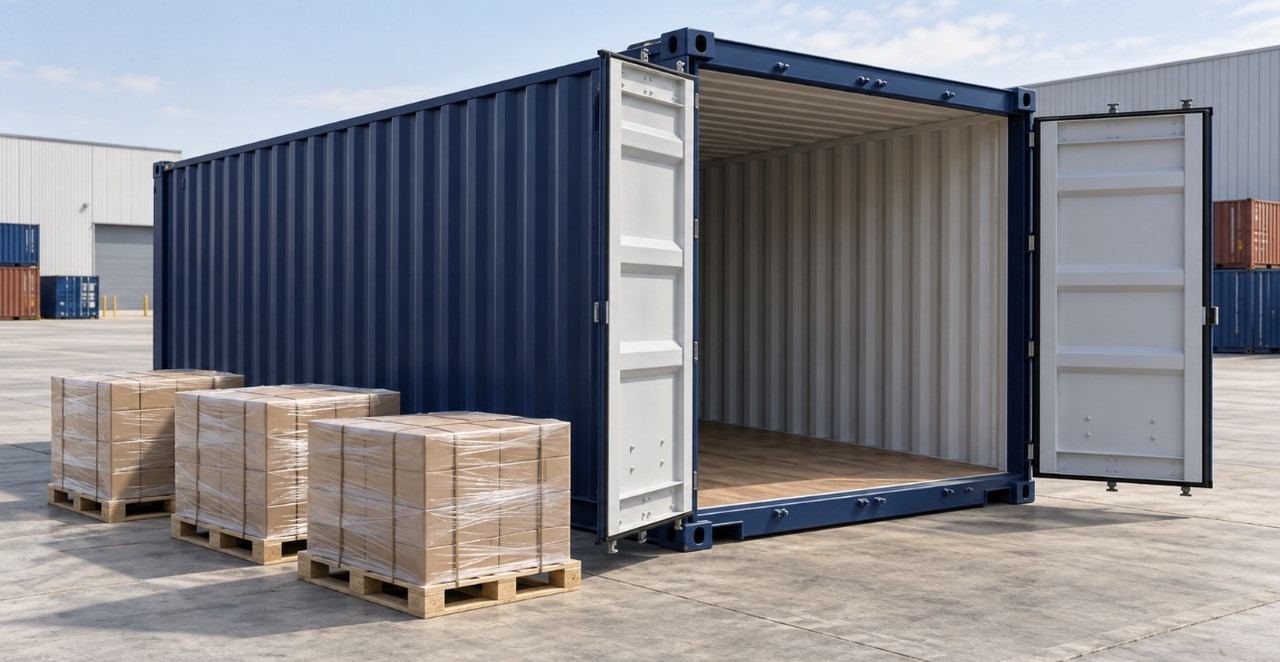
Plan your container loading before goods arrive. Check packed dimensions, actual weights, floor loading, equipment access and how the cargo will be secured and unloaded.
Knowing how to load a shipping container starts with a plan for the goods, the equipment and the destination. A load can fit through the doors and still exceed a weight limit, put too much pressure on part of the floor or be difficult to unload.
Before loading day, confirm what will go inside, how it will be handled and whether the container will remain on site or travel while loaded. This guide covers the main decisions for ordinary dry cargo. Hazardous materials and unusual heavy loads need specialist arrangements.
Start With a Cargo List
Record the quantity, packed dimensions and weight of each item. Include pallets, crates and protective packaging in the measurements and weights.
Also note whether each load can be stacked, where lifting equipment can engage it and whether it has handling instructions. A machine on narrow feet needs a different review from evenly packed cartons.
Use our guide to how many pallets fit in a shipping container for initial space planning. Then check the actual loaded dimensions, securing space and handling clearances.
Understand the Container Weight Limits
Check the markings and documentation for the specific container.
| Weight term | What it means |
| Tare weight | The empty container’s weight |
| Maximum gross weight | The maximum permitted combined weight of the container and its contents |
| Payload | The weight available for cargo, packaging and securing materials within the container’s limits |
The Bureau International des Containers explains the gross and tare markings. Our container markings and CSC plate guide provides additional background.
For a modified container, confirm its current empty weight and remaining payload. Added equipment and interior fittings affect the weight available for goods.
If the container will travel, ask the carrier to confirm the permitted load for the complete route. Road, rail, chassis and handling restrictions can limit what may actually be transported.
A Simple Cargo Weight Example
Suppose you have eight packed pallets weighing 900 pounds each:
8 × 900 lb = 7,200 lb
If separate bracing and securing materials add 200 pounds:
7,200 lb + 200 lb = 7,400 lb of contents
The container’s own weight must then be included when calculating the loaded gross weight. These are illustrative figures; use measured weights for your shipment.
Inspect the Container Before Loading
Check for damaged flooring, loose material, leaks, damaged doors and unsuitable attachment points. Confirm safe entry before inspecting the interior. Suspected fumigation or an unsafe atmosphere requires qualified assessment; a lack of odor does not prove that entry is safe.
Make sure the container is suitable for the intended cargo and that its condition has been assessed for the planned use.
Our used shipping container inspection guide covers the main areas to examine. Photograph any existing damage and resolve concerns before goods or equipment obscure the affected area.
Review Weight Distribution and Floor Loading
Staying below the total payload does not establish that every loading arrangement is suitable.
Heavy goods concentrated in one area can create demanding floor loads. A machine supported on small feet also behaves differently from cargo spread across a larger footprint.
Hapag-Lloyd’s weight distribution guidance treats floor loading and total payload as separate checks. Its figures relate to the equipment described and should not be assumed to apply to every container.
Ask the container supplier or a competent cargo specialist to review concentrated loads, support arrangements and the position of the combined center of gravity. Keep the load balanced and avoid placing heavy goods on weaker packages.
Match Loading Equipment to the Container
Decide how goods will cross the doorway before arranging labor or equipment.
For forklift loading, confirm the truck’s suitability for the load, available headroom, floor loading limits and the capacity of any ramp or dockboard. A container’s cargo payload is not a forklift axle-load rating.
OSHA’s load-handling guidance highlights floor condition, entry clearance and secure dockboards when entering trailers. Have trained operators assess the full loading arrangement.
For a container at ground level, review our shipping container ramp buying guide. A container on a chassis needs a different access and vehicle-stability plan.
Keep pedestrians clear of moving equipment and provide enough light to see the load, floor and doorway.
Plan Cargo Securing Before Packing
Transport subjects goods to movement in several directions. Packaging keeps a shipment together, while the securing arrangement must control movement of the cargo within the container.
A suitable plan may combine blocking, bracing, friction materials and lashings. Select these for the actual cargo, attachment points and transport conditions. A strap’s advertised strength alone does not establish the capacity of the complete arrangement.
Do not assume that shrink-wrapping a pallet secures it to the container, or that closing the cargo doors completes the job.
The IMO, ILO and UNECE CTU Code provides guidance on packing and securing cargo for sea and land transport. Have a competent packer determine the required methods, especially for machinery, mixed loads or goods with a high center of gravity.
Plan the Unloading Sequence
Discuss unloading with the receiving site before finalizing the arrangement.
Confirm what lifting equipment will be available and which goods need to come out first. Access priorities must work with the weight-distribution and securing plan.
For stationary storage, leave access suited to how often goods will be retrieved. If that container is later moved, reassess the contents and securing arrangement for transport.
Send the receiver a packing list and useful photographs showing cargo positions and restraints. Make sure the unloading team knows how to release restraints safely and prevent goods from falling when the doors are opened.
Complete a Final Loading Check
Before handover, confirm that:
- The packed cargo matches the inventory and weight records.
- The loading arrangement meets the container and transport limits.
- Required restraints are installed and checked.
- The doors can close and lock without forcing them against cargo.
- The receiver has the information and equipment needed to unload.
- The carrier has the required shipment details and weight documentation.
If the container will remain on your property, record the inventory and keep access routes clear.
Frequently Asked Questions
Can a forklift drive inside a shipping container?
It may be possible, but the equipment, doorway clearance, floor condition, wheel or axle loads and access system must all be suitable. Confirm the arrangement before entry.
Can a shipping container be moved while full?
Only when the carrier, lifting equipment and transport arrangement are suitable for its loaded weight and cargo. Tell the hauler what is inside before booking.
Does a tightly packed container still need a securing assessment?
Yes. Cargo that fills the space must still be assessed for movement, tipping, packaging strength and safe unloading.
Choose a Container That Fits Your Loading Plan
Compare CargoVault’s shipping containers with your cargo dimensions, handling method and intended use.
To discuss available options, request a container quote with your delivery ZIP code, preferred size, heaviest item and whether the container will be used for stationary storage or transport.