
Roll-Up Door Shipping Containers: A Buyer’s Guide to Easier Access
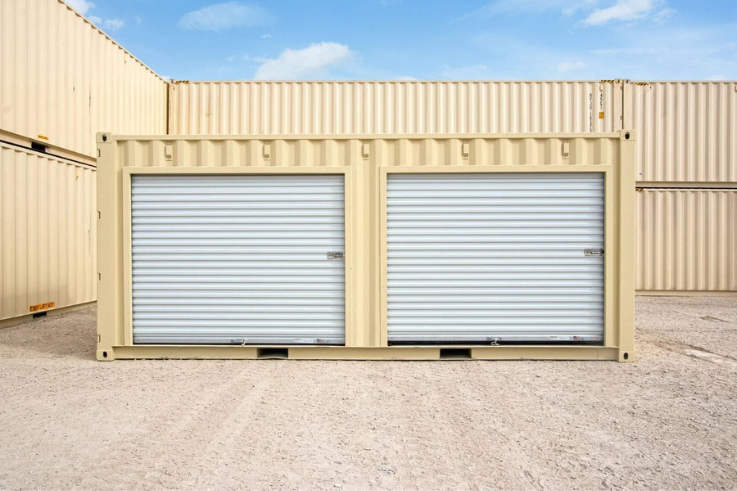
Learn when a roll-up door shipping container can improve loading, organization and everyday access for business, construction and personal storage.
Roll-Up Door Shipping Containers: Complete Buying and Modification Guide
A standard shipping container is usually accessed through cargo doors at one end. That arrangement works well for many buyers, but it can become inconvenient when tools, inventory or equipment stored near the front block items at the back.
A roll-up door changes how the interior can be reached. Installed on the side or end of the unit, it opens vertically and provides a practical access point without requiring two large cargo-door leaves to swing outward.
Roll-up-door containers can be useful for construction storage, workshops, retail inventory, equipment rentals and divided self-storage units. However, the door size, position, structural framing, security and weather resistance must all match the intended use.
What Is a Roll-Up Door Shipping Container?
A roll-up door shipping container is a standard or modified steel container fitted with one or more overhead doors. The door curtain moves vertically through side guides and coils above the opening instead of swinging outward.
The original cargo doors may be retained, giving the container two different access methods:
- The cargo doors provide a large opening for bulky items.
- The roll-up door provides faster everyday access to tools, supplies or inventory.
- Multiple roll-up doors can create separate storage zones.
- Side access can prevent frequently used items from becoming trapped behind other goods.
CargoVault provides professional shipping container modification options for buyers who require additional doors, windows, electrical systems, partitions or other features.
Roll-Up Door Container Sizes
CargoVault offers roll-up-door configurations in several lengths.
- 10ft containers are suitable for compact properties and smaller storage requirements.
- 16ft containers provide an intermediate option when 10ft is too small and 20ft is unnecessary.
- 20ft containers balance capacity, placement flexibility and everyday access.
- 30ft containers offer additional storage without requiring the full footprint of a 40ft unit.
- 40ft containers support larger inventories, workshops and multi-compartment layouts.
- High Cube containers provide additional interior and door height for taller equipment, shelving and conversions.
Current configurations may include a 10ft container with a roll-up door, a 16ft roll-up-door container, a 20ft container with double roll-up doors, a 30ft roll-up-door container and a 40ft container with multiple roll-up doors.
Availability and specifications can change, so confirm the measurements and condition of the selected unit before ordering.
When Does a Roll-Up Door Make Sense?
This modification can be useful when a container will be opened frequently or divided into separate storage zones.
Common applications include:
- Construction tools and building materials
- Landscaping and maintenance equipment
- Retail inventory and seasonal stock
- Workshop supplies and replacement parts
- Sports, school and community equipment
- Self-storage compartments
- Rental equipment
- Market and event supplies
- Frequently collected business inventory
- Farm tools and maintenance supplies
For example, a 20ft container with double roll-up doors can provide separate access points for different categories of inventory. This may reduce the need to unload or rearrange the entire unit to reach one item.
Many buyers retain the original cargo doors and add a roll-up door along the side. This creates convenient everyday access while preserving the wider end opening for bulky equipment.
Roll-Up Doors vs Standard Cargo Doors
| Requirement | Standard cargo doors | Roll-up doors |
| Opening method | Two doors swing outward | Door opens vertically |
| Exterior clearance | Requires room for door leaves | Requires little outward clearance |
| Bulky-item loading | Excellent through the full end opening | Depends on the finished opening size |
| Frequent everyday access | Can be less convenient | Usually faster and easier |
| Access to separate storage zones | Limited without partitions | Multiple doors can serve separate zones |
| Security hardware | Locking bars and padlock systems | Depends on door and locking system |
| Weather sealing | Original container door seals | Depends on installation and door quality |
| Structural modification | None on an original unit | Requires a framed opening |
| Best use | General storage and large-item loading | Frequent access and organized storage |
A standard container may be sufficient when items are stored for long periods and rarely collected. A roll-up door becomes more valuable when people need frequent access to different sections of the container.
Roll-Up Door vs Open-Side Container
A roll-up-door container should not be confused with a full open-side container.
An open-side container has several cargo-style doors along a long wall, creating a very wide opening. A roll-up-door container normally has one or more smaller vertical doors installed at selected positions.
Choose a roll-up-door configuration when:
- Individual access points are required
- The container will be divided into storage compartments
- Tools or inventory must be collected frequently
- Limited outward door-swing space is available
- The entire side does not need to open
Consider an open-side container when:
- Very wide materials must enter from the side
- Several pallet positions must be accessed at once
- The container will support a retail display or event service area
- Large-scale side loading is more important than separate compartments
Read CargoVault’s open-side vs standard shipping container guide for a complete comparison.
Decide the Best Door Position Before Ordering
The position of the opening should match the planned interior layout.
Before choosing a configuration, consider:
- Where the delivery team will place the container
- Which side will remain accessible after placement
- The location of shelves, workbenches and walkways
- The size of the items moving through the opening
- Vehicle and pedestrian traffic around the unit
- Drainage and the direction of wind-driven rain
- Whether separate users need separate access points
- Electrical equipment or partitions planned for the interior
- The direction of the original cargo doors
- Future buildings, fences or stored materials that could block access
If the container will sit beside a building, fence or property line, confirm that the selected roll-up door will not face an obstruction.
Mark the required door orientation before delivery. Review CargoVault’s container delivery information and site-preparation checklist before selecting the final position.
Choose the Correct Roll-Up Door Size
The advertised door size may not equal the final clear opening. Frames, guides, weather seals and the roll mechanism can reduce the usable width or height.
Before selecting a door, measure:
- The widest item that must pass through the opening.
- The tallest item in its complete loading condition.
- Added width or height from pallets, wheels, handles and packaging.
- The ramp or loading equipment that will be used.
- Required clearance around the item.
- Available wall space for the frame and guides.
- Interior clearance above the opening for the door mechanism.
Do not order a door when the cargo measurement merely equals the stated opening measurement. Practical clearance is necessary for safe loading.
CargoVault’s shipping container door-dimensions guide explains how to compare cargo measurements with clear door openings.
Structural Framing and Installation Quality
Cutting an opening into a corrugated container wall changes how that section handles loads. The opening should be reinforced with an appropriate steel frame and installed by a qualified fabricator.
A professional installation should consider:
- Opening dimensions
- Steel reinforcement
- Door weight
- Header and side framing
- Corrosion protection
- Drainage around the opening
- Weather sealing
- Interior and exterior clearances
- Intended lifting or transportation of the modified unit
Modification requirements become especially important when the container will be transported after the work is completed or used for a commercial conversion.
Do not cut a large opening into a container without a suitable structural plan.
Review Security and Weather Protection
A roll-up door should have a suitable locking system and close evenly against its frame.
Ask about:
- Door material
- Side guides
- Locking points
- Bottom rail
- Weather seals
- Wind resistance
- Corrosion protection
- Replacement-part availability
- Manual or powered operation
- Emergency access
For valuable tools or inventory, consider:
- Exterior lighting
- Controlled key access
- Security cameras
- Interior partitions
- Alarm systems
- Heavy-duty locking hardware
- Regular inspection of guides and locks
CargoVault’s guide on how to secure a shipping container against theft provides additional security recommendations.
A roll-up door may not seal exactly like original container cargo doors. Buyers storing moisture-sensitive goods should confirm the finished weather protection and inspect the door regularly.
Plan for Ramps and Loading Equipment
A ramp can make it easier to move carts, pallet jacks, lawn equipment or wheeled cases through the opening.
Before adding a ramp, confirm:
- The height of the container floor
- Ramp length and safe slope
- Maximum expected load
- Ground stability
- Surface traction
- Drainage
- Space for turning equipment
- Whether the ramp should be removable or permanent
Explore CargoVault’s container accessories for access and organization products that can support a more efficient setup.
Heavy machines and concentrated wheel loads may require additional floor assessment. Do not assume that the general container payload rating answers every floor-loading question.
Organize the Interior Around the Door Layout
Inside the container, position shelving so it does not block the roll-up mechanism, guides or safe exit paths.
A practical layout may include:
- Frequently used items near the nearest roll-up door
- Less frequently used goods near the rear
- Clearly labelled storage zones
- A central walkway
- Shelving secured appropriately
- Separate compartments for different users
- Adequate lighting
- Ventilation around stored goods
- Clear access to locks and emergency exits
Multiple roll-up doors can support independent storage bays, but partitions, lighting and access control should be planned before fabrication.
Ventilation, Electrical Work and Building Requirements
A roll-up door does not remove the need for ventilation and condensation control. Steel containers can experience temperature changes and interior moisture, particularly when frequently opened and closed.
Depending on the use, the project may require:
- Passive or powered ventilation
- Insulation
- Condensation control
- Interior lighting
- Electrical outlets
- Fire-safety equipment
- Emergency exits
- Local building or zoning approval
Electrical installations and structural work should be completed by qualified professionals. Commercial, workplace and customer-facing uses may be subject to additional safety and accessibility requirements.
Choosing the Right Container Length
A smaller unit may suit a compact property or limited inventory. Larger projects may benefit from a 30ft or 40ft roll-up-door container.
| Container size | Potential roll-up-door use |
| 10ft | Compact tool storage, maintenance supplies or limited inventory |
| 16ft | Intermediate storage where a 20ft footprint is unnecessary |
| 20ft | General business storage, workshops and double-door layouts |
| 30ft | Larger inventory and multi-zone storage |
| 40ft | Workshops, several storage bays or high-volume commercial use |
| 40ft High Cube | Tall shelving, equipment and conversions requiring extra height |
The best choice is not simply the longest container that fits the budget. It is the size and door layout that allow safe delivery, efficient organization and comfortable daily access.
Use CargoVault’s shipping container dimensions guide to compare exterior size, interior capacity and delivery requirements.
Roll-Up Door Container Checklist
Before ordering, confirm:
- Container length and height
- New, used or refurbished condition
- Number of roll-up doors
- Position of every opening
- Finished clear door width and height
- Structural reinforcement
- Manual or powered operation
- Locking system
- Weather seals
- Retention of the original cargo doors
- Shelving and partition layout
- Ramp and loading requirements
- Ventilation and condensation control
- Electrical requirements
- Delivery orientation
- Exterior working clearance
- Local permit or zoning requirements
- Written warranty for the container and modification
Frequently Asked Questions
Can a roll-up door be added to an existing shipping container?
Yes. A qualified fabricator can cut and reinforce an opening before installing the door. The framing, sealing and door system must be appropriate for the container and intended use.
Are roll-up-door containers watertight?
Weather resistance depends on the door, seals, frame and installation quality. Ask for the finished unit’s weather-protection specifications and inspect the opening regularly.
Can the original cargo doors remain?
Yes. Many configurations retain the original cargo doors and add one or more roll-up doors along the side.
What size roll-up door should I choose?
Choose according to the largest item that must pass through the opening, including pallets, wheels, packaging and loading equipment. Leave practical clearance rather than ordering a door that merely matches the item’s measurements.
Can a roll-up-door container be divided into storage units?
Yes. Multiple doors and interior partitions can create separate storage bays. Access control, ventilation, lighting and emergency-exit requirements should be planned before construction.
Is a roll-up door secure?
It can provide suitable security when it has strong materials, guides, locking hardware and professional installation. The required security level depends on the location and value of the contents.
Do I need permission for a modified container?
Requirements vary by location and intended use. Check local planning, zoning, building, fire and accessibility rules before installation or commercial use.
Get a Configuration Built Around Your Storage Plan
A roll-up door can turn a conventional container into a more accessible storage, workshop or commercial unit. Before ordering, identify what will be stored, how frequently it will be collected, the required opening size and which side of the container will remain clear.
Request a custom quote from CargoVault Containers to compare available sizes, roll-up-door layouts, accessories, modifications and nationwide delivery options.