
Shipping Container Insulation: A Complete Buyer’s Guide
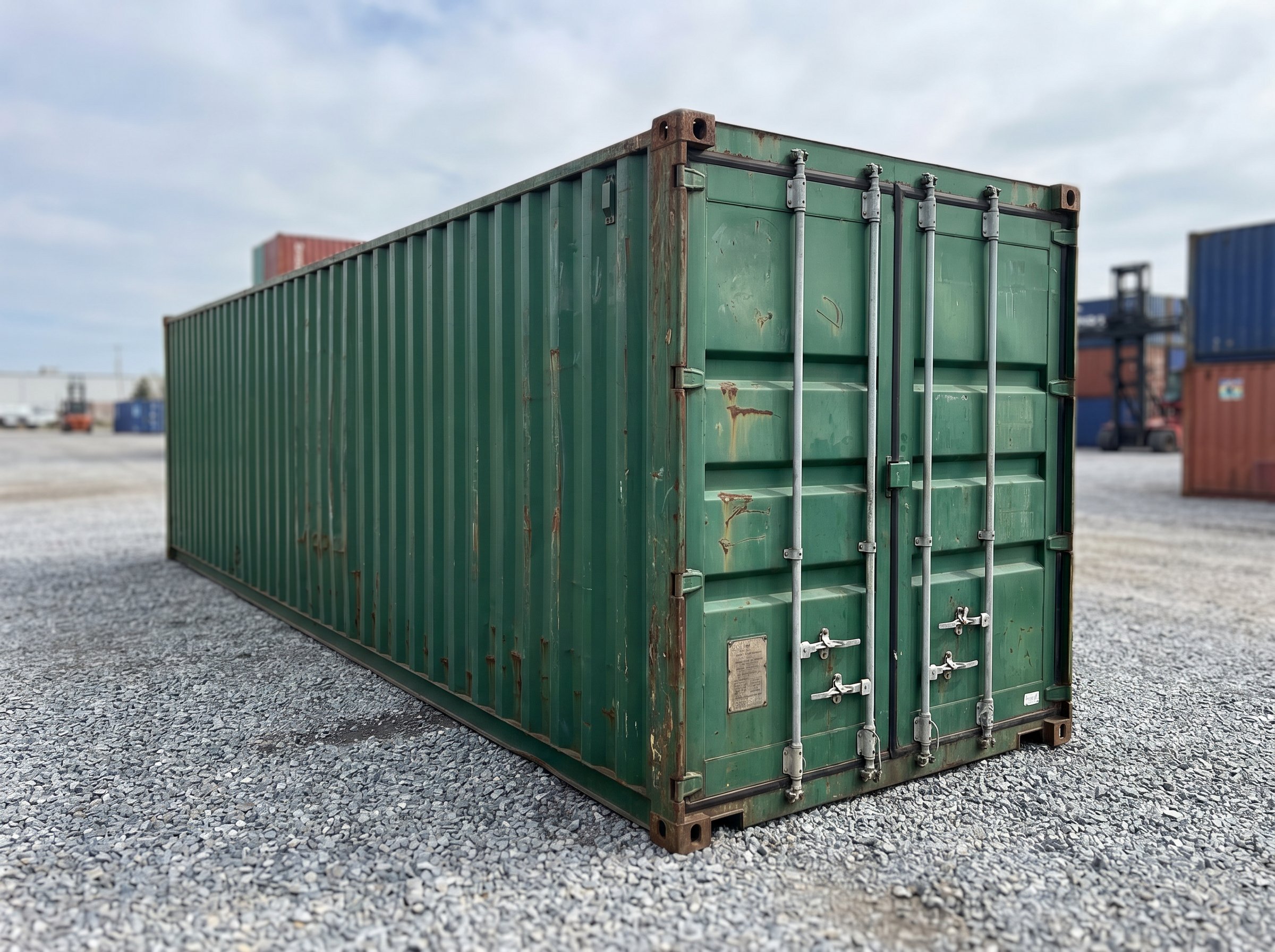
Compare spray foam, rigid foam, mineral wool and insulated panels to find the right shipping container insulation for storage, offices, workshops and other conversions.
Shipping container insulation is not simply about keeping a steel container warm during winter. A properly designed insulation system can control heat transfer, reduce condensation risk, protect stored belongings and make an office, workshop or living space more comfortable.
However, there is no single insulation material that works best for every project. The correct choice depends on your climate, how the container will be used, whether it will be heated or cooled, the amount of interior space available and your planned wall finish.
This guide compares the principal insulation options and explains how to create an effective thermal and moisture-control system for a shipping container.
Does Every Shipping Container Need Insulation?
Not every container requires a complete insulation system.
A container used for short-term storage of tools, machinery or other moisture-resistant equipment may only need adequate ventilation and protection from water entry. In contrast, insulation should be considered when storing furniture, documents, electronics, textiles or products that could be damaged by temperature changes and humidity.
Insulation is particularly important when a container will be converted into:
- An office or meeting room
- A workshop
- A retail unit
- A classroom
- Staff accommodation
- A studio
- A climate-controlled storage facility
- A residential or commercial building
Before investing in modifications, make sure the container itself is suitable for the project. Understanding the different shipping container condition grades can help you choose a structurally sound unit that is appropriate for conversion.
Why Shipping Containers Require a Different Approach
Shipping containers are constructed primarily from steel, which transfers heat much faster than conventional insulated walls.
During hot weather, sunlight can heat the roof and exterior walls, causing interior temperatures to rise quickly. In cold weather, the internal steel surface can become cold enough for moisture in the air to condense on it.
The corrugated steel ribs can also create thermal bridges. These are areas where heat bypasses the insulation through a more conductive material. Gaps around doors, windows, vents and framing can create similar weaknesses.
An effective container insulation system must therefore manage four connected factors:
- Heat transfer
- Air leakage
- Water vapor
- Ventilation
Installing insulation without considering moisture and airflow may hide condensation behind the interior lining rather than solve it.
Comparing Shipping Container Insulation Options
| Insulation type | Best suited to | Main advantages | Important limitations |
| Closed-cell spray foam | Offices, workshops and conditioned conversions | Air-seals irregular surfaces and provides strong thermal performance with limited thickness | Professional installation is recommended; difficult to remove later |
| Rigid foam board | DIY projects and framed interiors | Predictable thickness, clean installation and good continuous coverage | Seams and gaps must be carefully sealed |
| Mineral wool | Workshops and projects requiring sound or fire performance | Good acoustic control and heat resistance | Requires framing and does not function as an air barrier |
| Fiberglass batts | Budget-conscious framed conversions | Widely available and relatively affordable | Performance suffers when compressed, damp or poorly fitted |
| Insulated sandwich panels | Commercial interiors and fast conversions | Insulation and finished surface can be combined | Higher initial material cost and careful joint detailing required |
| Reflective barrier | Supplemental control in hot, sunny conditions | Can reduce radiant heat gain when installed correctly | Requires an adjacent air gap and is not a substitute for bulk insulation |
Closed-Cell Spray Foam Insulation
Closed-cell spray polyurethane foam is frequently selected for container conversions because it can be applied directly across corrugated steel surfaces.
The foam expands during installation, helping seal small gaps and reducing uncontrolled airflow. It also provides useful thermal resistance without requiring a very deep wall cavity, which helps preserve internal space.
The steel must be clean, dry and free from active corrosion before application. Existing leaks or rust should never be concealed beneath foam. Once installed, the insulation may also require an approved protective interior finish depending on the product, intended use and local building requirements.
Closed-cell spray foam can be a strong option when:
- The container will be regularly heated or cooled.
- Interior space is limited.
- The project is located in a humid climate.
- The corrugated walls make board installation difficult.
- Air sealing is a major priority.
Its principal disadvantages are the installation cost, the need for specialist equipment and the difficulty of accessing the steel surface after the work is complete.
Rigid Foam Board Insulation
Rigid boards made from materials such as polyisocyanurate, expanded polystyrene or extruded polystyrene can create a neat and consistent insulation layer.
Boards may be installed between framing members or as a continuous layer over them. Continuous installation is generally better for reducing thermal bridging, but every edge, joint and penetration must be sealed properly.
Rigid foam is often chosen by owners who want more control over a phased or partly DIY conversion. It also provides a predictable thickness, making it easier to calculate how much interior width will remain after framing and finishing.
Product performance varies according to the foam type, temperature and thickness. Check the manufacturer’s technical data rather than assuming that all rigid boards provide the same result.
Mineral Wool Insulation
Mineral wool is manufactured in batts or boards and is commonly fitted between framing members. It offers useful thermal performance, sound absorption and resistance to high temperatures.
These characteristics can make it attractive for workshops, mechanical spaces and occupied conversions where acoustic comfort matters.
Mineral wool does not seal air gaps on its own. The complete wall assembly still needs an appropriate air-control and moisture-control strategy. Poorly detailed framing can also allow the steel structure to bypass the insulated cavities.
Fiberglass Insulation
Fiberglass batts are widely available and can be less expensive than several foam-based alternatives. They can work in a correctly framed, dry and well-sealed assembly.
However, fiberglass should not be forced into narrow spaces or compressed behind interior panels. Compression reduces its ability to trap air and weakens its thermal performance. Gaps around the corrugations can also allow warm, humid air to reach the cold steel wall.
For these reasons, fiberglass is better suited to carefully designed framed conversions than quick installations against bare container steel.
Insulated Sandwich Panels
Insulated panels combine a rigid insulating core with durable finished surfaces. They can create clean walls and ceilings without requiring several separate layers.
This system may reduce installation time for offices, retail units, laboratories and other commercial conversions. Panels can also be easier to clean than unfinished insulation systems.
Their effectiveness depends heavily on the joints. Corners, panel edges, service penetrations and connections around windows or doors must remain continuous and properly sealed.
Can a Reflective Barrier Insulate a Shipping Container?
Reflective barriers can reduce radiant heat transfer, particularly beneath a sun-exposed roof, but they require an adjacent air space to work correctly.
They should not be pressed directly between the steel wall and the interior lining and treated as a complete insulation system. The U.S. Department of Energy explains that radiant barriers reduce radiant heat gain but do not provide conventional R-value in the same way as bulk insulation.
A reflective product may be a useful supporting layer in a hot climate, but an occupied or temperature-controlled container will usually require additional insulation.
Understanding R-Value
R-value measures a material’s resistance to heat flow. A higher number generally indicates greater resistance, but the final performance depends on more than the number printed on the insulation package.
According to the U.S. Department of Energy’s insulation guidance, R-value depends on both the insulation material and its thickness.
For a container project, evaluate the complete assembly, including:
- Insulation thickness
- Framing material
- Thermal bridges
- Sealed or unsealed joints
- Doors and windows
- Roof construction
- Floor treatment
- Interior and exterior finishes
Required insulation levels vary by climate zone, intended occupancy and local energy code. A qualified contractor or building professional can help establish the appropriate target for a permanent occupied structure.
Which Insulation Is Best for Each Container Use?
General Equipment Storage
For tools, machinery and weather-resistant materials, begin with leak repair, drainage and air circulation. Full insulation may not be necessary unless temperature swings affect the contents.
Review the shipping container ventilation guide before closing the interior walls.
Furniture and Document Storage
Furniture, paper, fabrics and similar materials can be damaged by high humidity and condensation. A sealed insulation system, controlled ventilation and a dehumidifier may be required depending on the climate.
Additional preparation advice is available in the guide to storing furniture in a shipping container.
Container Workshops
A workshop normally benefits from wall and roof insulation, ventilation, suitable lighting and a durable floor. Noise control may also make mineral wool or insulated panels attractive.
The shipping container workshop guide explains how these features work together.
Container Offices
An office needs more than insulation alone. Windows, doors, ventilation, air conditioning, electrical services and occupancy requirements all influence comfort and energy use.
Review the shipping container office planning guide before selecting the interior layout.
Temperature-Sensitive or Refrigerated Storage
Insulating a standard dry container does not automatically turn it into a refrigerated unit. Products requiring a controlled temperature may need purpose-built refrigeration equipment, monitoring and a suitable insulated envelope.
In some situations, purchasing a refrigerated shipping container may be more practical than extensively converting a standard container.
Interior vs Exterior Insulation
Interior insulation is common because it protects the materials from weather and makes the exterior easier to maintain. It can also be integrated with internal framing, electrical wiring and wall finishes.
The disadvantage is lost interior space. Framing, insulation and lining on both sides can noticeably reduce the usable width of the container.
Exterior insulation creates a more continuous thermal layer and can reduce bridging through the steel structure. It preserves internal dimensions but must be protected with durable, weather-resistant cladding. Roof edges, doors, corners and the underside require careful detailing.
A hybrid system may be appropriate when a project needs continuous exterior protection but also requires internal service cavities.
Do the Roof, Floor and Doors Need Insulation?
Focusing only on the walls leaves major parts of the thermal envelope untreated.
Roof
The roof can receive intense solar exposure and may be one of the largest sources of summer heat gain. Roof insulation, shading or a suitable reflective exterior coating can improve performance. A roof coating alone should not be treated as a replacement for insulation in a conditioned space.
Floor
Floor insulation is particularly valuable in occupied containers and in locations with cold ground conditions. It may be installed below the original floor or as part of a new internal subfloor.
Before covering the existing surface, inspect its condition and review the shipping container flooring guide.
Cargo Doors
Standard cargo doors contain steel framing, seals and locking hardware that can allow heat transfer and air leakage. Projects that retain the original doors may need insulated liners and renewed weather seals.
If the cargo doors will rarely be used, an insulated internal partition can separate them from the conditioned area.
Openings and Penetrations
Windows, vents, electrical conduits, plumbing and HVAC openings interrupt the insulation layer. Each penetration should be flashed and sealed to prevent water and air from entering the assembly.
Insulation and Condensation Control
Insulation can reduce the likelihood of condensation, but it cannot compensate for roof leaks, standing water, wet contents or uncontrolled indoor humidity.
Start by confirming that the container is watertight. Then address drainage, ground clearance and air circulation. The container site-preparation checklist explains how placement and drainage affect long-term container performance.
A successful moisture-control plan may include:
- Repairing leaks before covering the steel
- Treating active rust
- Sealing uncontrolled air paths
- Selecting a climate-appropriate vapor-control layer
- Installing correctly sized vents
- Using mechanical ventilation or dehumidification
- Keeping wet materials out of the container
- Monitoring indoor temperature and relative humidity
The location of a vapor retarder should be determined by the climate and wall design. Installing plastic sheeting in the wrong position can trap moisture inside the assembly. The EPA’s moisture-control guidance recommends considering ventilation, humidity and the correct placement of vapor-control materials together.
Recommended Installation Sequence
A well-planned order of work can prevent expensive changes later.
- Define how the container will be used and whether it will be conditioned.
- Inspect the roof, walls, doors, seals, floor and underside.
- Repair leaks, corrosion and structural damage.
- Confirm local permit, energy, fire-safety and occupancy requirements.
- Plan windows, doors, ventilation, plumbing, electricity and HVAC.
- Select the insulation assembly and required thickness.
- Prepare and coat the steel where necessary.
- Install insulation continuously around corners and framing.
- Seal joints and service penetrations.
- Add the required interior protection and finishes.
- Test the ventilation or climate-control system.
- Monitor humidity after the container enters service.
Planning electrical wiring and other services before insulation helps avoid cutting through completed air-sealing layers.
What Affects Shipping Container Insulation Cost?
The total price is influenced by more than the selected insulation material.
Important cost factors include:
- Container size
- Roof, wall, floor and door coverage
- Required insulation thickness
- Surface cleaning and rust treatment
- Interior or exterior installation
- Framing and wall finishes
- Windows, vents and service penetrations
- Fire-resistant protective layers
- Local labor rates
- Site accessibility
- HVAC and humidity-control equipment
Compare the complete installed system rather than the price of insulation alone. A low-cost material can become expensive if it requires extensive framing, finishing or moisture repairs later.
Common Insulation Mistakes
Insulating Before Repairing Leaks
Water entry should be corrected before any wall or ceiling is concealed. Read the guide explaining whether shipping containers are waterproof before beginning the conversion.
Leaving Gaps Around Corrugations
Small gaps can allow humid air to reach cold steel surfaces. Corners, roof joints and penetrations require the same attention as the large flat areas.
Ignoring Thermal Bridges
Steel framing or ribs that connect exterior surfaces to interior finishes can bypass cavity insulation. Continuous insulation or thermal breaks can reduce this problem.
Depending on a Reflective Layer Alone
Reflective products can help control solar heat gain, but they cannot provide the full thermal performance required by most conditioned spaces.
Blocking Necessary Ventilation
A tighter container still needs deliberate ventilation. Occupants, equipment, cooking and stored materials can all introduce moisture.
Choosing Thickness Without Checking the Final Layout
Insulation, framing and lining reduce internal dimensions. Confirm furniture, shelving, machinery and walkway clearances before construction begins.
Forgetting Fire and Interior-Finish Requirements
Some foam insulation products need an approved protective covering. Requirements depend on the product, use and local jurisdiction.
Shipping Container Insulation Checklist
Before approving an insulation plan, confirm:
- The container’s intended use
- Local climate and humidity
- Target indoor temperature
- Whether heating or cooling will be installed
- Condition of the roof, walls and floor
- Required R-value or energy-code target
- Available internal width and height
- Ventilation and dehumidification needs
- Electrical and plumbing routes
- Fire and acoustic requirements
- Interior finishing materials
- Access for future repairs
- Local permit and inspection requirements
Frequently Asked Questions
What Is the Best Insulation for a Shipping Container?
Closed-cell spray foam is often selected for conditioned containers because it follows corrugated steel and provides air sealing with limited thickness. Rigid foam, mineral wool and insulated panels can also perform well when incorporated into a correctly designed assembly.
Does Insulation Stop Shipping Container Condensation?
Insulation can keep interior surfaces warmer and reduce condensation risk, but it must be combined with leak prevention, air sealing, ventilation and humidity control.
Can I Install Shipping Container Insulation Myself?
Some rigid-board and batt systems can be installed by experienced DIY owners. Spray foam, structural alterations, electrical work and occupied conversions are generally better handled by qualified professionals.
Is It Better to Insulate Inside or Outside?
Interior insulation is usually easier to protect and finish, while exterior insulation preserves internal space and can reduce thermal bridging. The best choice depends on the project design, exterior appearance and weather exposure.
Should an Unheated Storage Container Be Insulated?
Not always. For basic equipment storage, ventilation and moisture management may be sufficient. Insulation becomes more important when the contents are sensitive to heat, cold or humidity.
How Much Insulation Does a Container Need?
Required thickness depends on the material, climate, intended temperature and applicable building code. Use the tested performance data for the complete product assembly and obtain professional advice for an occupied structure.
Can I Add Insulation After the Container Is Delivered?
Yes. However, windows, ventilation, electrical systems and other modifications should be planned before the walls are closed. This reduces unnecessary cutting and rework.
Plan Your Container Project
The most effective insulation system is one designed around the container’s actual use. Storage, workshops, offices and refrigerated applications have different temperature, ventilation and moisture requirements.
Explore available shipping containers for sale, review Cargo Vault’s container modification options, or use the shipping container buyer’s guide to compare possible configurations.