
Shipping Container Pest Control: Keep Pests Out
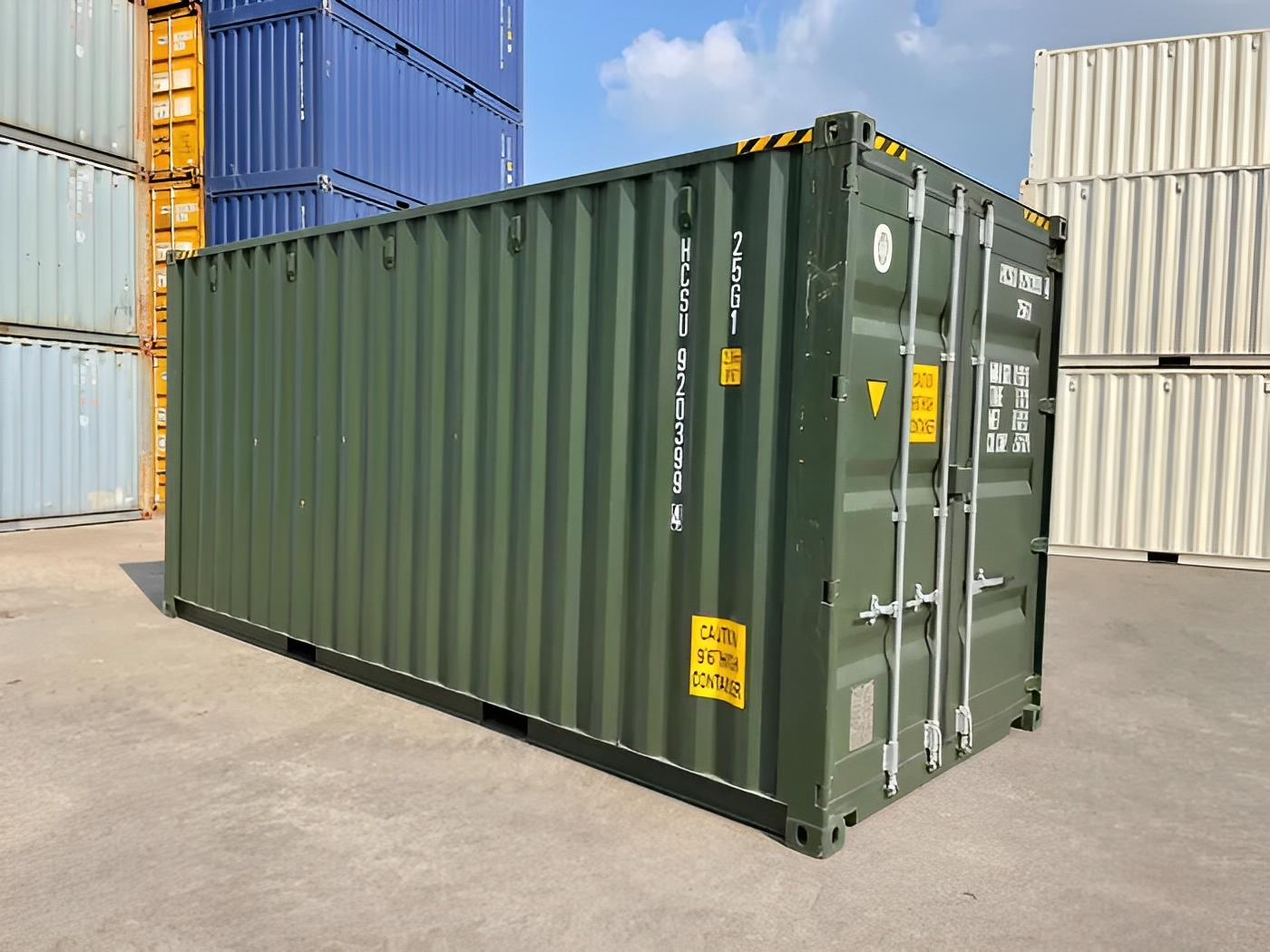
Learn how to protect a shipping container from rodents, insects and other pests by inspecting entry points, controlling moisture and storing goods properly.
Shipping containers provide strong, enclosed storage for furniture, tools, equipment, business inventory and household belongings. However, a container is not automatically pest-proof.
Rodents and insects may enter through damaged door seals, floor gaps, vents, corrosion holes or openings created during modifications. Pests can also arrive inside cardboard boxes, furniture, machinery or other stored items.
An effective shipping container pest-control plan should prevent entry, remove sources of food and moisture, and make the interior easy to inspect. Here is how to protect your container and its contents.
Quick Answer: How Do You Keep Pests Out of a Shipping Container?
The most effective approach is to:
- Inspect the container before loading it.
- Repair damaged door gaskets and structural openings.
- Protect ventilation openings with suitable pest-resistant screens.
- Keep vegetation and debris away from the exterior.
- Store vulnerable goods in sealed containers.
- Keep the interior clean, dry and organized.
- Inspect the container regularly for droppings, nests or damaged packaging.
Pest prevention is easier and less expensive than dealing with an established infestation.
Why Do Pests Enter Shipping Containers?
Pests usually enter because the container provides shelter, moisture, nesting material or access to food.
Small Entry Points
Rodents and insects can take advantage of openings around deteriorated door seals, damaged vents, corrosion holes and poorly installed modifications.
A container may appear secure from a distance while still having small gaps around its doors, floor edges or utility penetrations.
Food and Attractive Odors
Food products, pet food, livestock feed, seeds, garbage and dirty equipment can attract pests. Even sealed-looking cardboard packaging may contain odors or openings that insects and rodents can detect.
Moisture and Damp Materials
Leaks, condensation and damp stored goods can create an environment that supports insects, mold and unpleasant odors.
Moisture problems should be corrected before the container is filled.
Pests Carried Inside
Not every infestation begins through a structural opening. Insects, eggs or rodents may already be hiding inside furniture, appliances, pallets, boxes or agricultural equipment when the items are loaded.
Inspect the Container Before Loading
Start with a complete inspection while the container is empty. Empty containers are much easier to examine and repair.
Check the Cargo Doors
Examine the rubber door gaskets for:
- Tears or missing sections
- Brittle or flattened rubber
- Separation from the door frame
- Gaps around the corners
- Damage that prevents the doors from closing evenly
If a gasket is badly damaged, replacing it is generally more dependable than trying to fill every opening with temporary sealant.
Doors that are difficult to close may also indicate that the container is sitting unevenly. Correcting the foundation can improve alignment and help the doors seal properly.
Examine the Floor and Lower Walls
Inspect the floor perimeter, corners and lower wall sections for deterioration, loose panels or corrosion openings.
Pay particular attention to areas where the steel wall meets the floor. These locations can be difficult to inspect after shelving and stored goods have been installed.
Inspect Vents and Modifications
Check ventilation openings, electrical penetrations, plumbing lines, windows, personnel doors and other modifications.
Every penetration should be properly finished and sealed around its edges. Ventilation openings should allow airflow while using an appropriate screen or grille to reduce pest access.
Seal Entry Points Without Blocking Ventilation
Pest-proofing does not mean closing every vent. Blocking ventilation may increase heat and moisture problems inside the container.
Replace damaged door seals and arrange professional repairs for corrosion holes, torn steel or poorly installed modifications. Structural damage should not be hidden with expanding foam or another temporary material without addressing the damaged steel.
Fit appropriate pest-resistant screening over vents while maintaining sufficient airflow. Screens should be securely attached and inspected for corrosion, tears and loose edges.
Avoid blocking drainage channels or other features designed to direct water away from the container.
Prepare the Area Around the Container
The condition of the surrounding site can significantly affect pest activity.
Keep grass, weeds, branches, discarded packaging and construction debris away from the container. These materials can provide shelter and make it easier for pests to approach unnoticed.
Do not stack firewood, pallets or unused materials directly against the container walls. Leave enough clearance to inspect the exterior and maintain the steel.
The container should sit on a stable, level and well-drained base. Standing water, soil contact and uncontrolled vegetation can contribute to corrosion and pest problems.
Before delivery, follow a proper shipping container site-preparation checklist to plan drainage, access and final placement.
Clean and Dry Items Before Storage
Inspect everything before placing it inside the container.
Remove dirt, food residue, leaves and other organic material from tools, vehicles, outdoor furniture and machinery. Allow cleaned items to dry completely before storage.
Check used furniture, cardboard boxes and appliances for droppings, webbing, insects, nests or damaged packaging. Do not load an item that appears infested until it has been cleaned or professionally treated.
Avoid placing wet textiles, damp timber or recently washed equipment inside a closed container.
Use Pest-Resistant Storage Containers
Cardboard boxes are convenient, but they may deteriorate in damp conditions and can provide nesting material.
For long-term storage, consider using strong plastic containers with fitted lids for clothing, documents, linens and smaller household goods.
Use packaging appropriate for the items being stored:
- Sealed plastic containers for clothing and household goods
- Closed parts bins for small tools and components
- Secure cabinets for valuable business supplies
- Approved sealed containers for products that may attract pests
- Protective covers that allow suitable airflow around furniture
Label containers clearly so that individual items can be inspected without unloading the entire unit.
Organize the Interior for Easier Inspection
A crowded container makes it difficult to identify pest activity.
Create a central walkway and avoid packing goods tightly against every wall. Use shelving, racks or suitable pallets to keep smaller items organized and, where practical, raised above the floor.
Keep frequently inspected goods near the doors. Store long-term items farther inside, but make sure they remain accessible.
Our guide on organizing a shipping container for maximum storage space explains how to create storage zones, use vertical space and maintain clear access.
Good organization helps you notice damaged packaging, moisture, droppings or nesting material before the problem spreads.
Control Moisture and Condensation
Moisture control is an important part of shipping container pest prevention.
Inspect the roof, walls, door seals and floor for water entry. Confirm that the surrounding ground directs water away from the container.
Ventilation, insulation and dehumidification may be required depending on the local climate, the stored goods and how frequently the container is opened.
Read our shipping container ventilation and moisture-control guide before selecting vents, fans or dehumidifiers.
Moisture absorbers may help with small humidity changes, but they should not be treated as a permanent solution for active leaks, poor drainage or severe condensation.
Protect Vulnerable Stored Items
Some materials require additional protection because they provide food, nesting material or hiding places.
Furniture
Clean and dry furniture before loading it. Avoid wrapping furniture tightly in material that can trap moisture.
Inspect upholstered furniture carefully and leave enough space around larger pieces for airflow and periodic checks.
For detailed preparation instructions, see our guide on storing furniture in a shipping container safely.
Clothing, Books and Documents
Place clothing, books and important documents in clean, sealed containers. Do not rely on damaged cardboard boxes for long-term protection.
Make sure textiles are completely dry before storage.
Tools and Equipment
Clean soil, plant material, grease residue and food waste from machinery and tools. Inspect equipment compartments where rodents could build nests.
Disconnect or protect sensitive components according to the equipment manufacturer’s storage instructions.
Food, Seeds and Animal Feed
A standard storage container may not be suitable for loosely packaged food, seeds, pet food or livestock feed.
These products can attract rodents and insects and may require specialized packaging, temperature control, monitoring or regulatory compliance. Use properly rated sealed containers and follow any requirements that apply to the product.
Warning Signs of Pest Activity
Inspect the container regularly for:
- Rodent droppings
- Gnaw marks
- Torn bags or damaged boxes
- Nesting material
- Insect webbing or larvae
- Unusual odors
- Scratching sounds
- Dead insects near windows or vents
- New holes around seals or modifications
- Contaminated food or feed packaging
Finding one sign does not always reveal the full extent of the problem. Inspect nearby boxes, shelving, corners and concealed areas before moving unaffected goods.
What Should You Do If You Find Pests?
Remove affected goods carefully and identify the likely entry point.
Do not simply place more boxes in front of the affected area. Clean the container using appropriate health and safety precautions, repair openings and determine whether other stored items have been contaminated.
Pesticides should only be used according to their labels and local regulations. Avoid placing chemicals inside a container without considering ventilation, stored materials, people who may enter and possible contamination.
For a serious or recurring infestation, contact a licensed pest-control professional. The professional should identify the pest, locate entry points and recommend a treatment appropriate for an enclosed storage environment.
Create a Regular Inspection Schedule
Pest prevention should continue after the container has been loaded.
Inspect the container at least monthly and after major storms, flooding, site work or long periods without access. Containers holding vulnerable commercial or agricultural goods may require more frequent monitoring.
During each inspection:
- Check the door seals and locking areas.
- Examine vents and modification openings.
- Look underneath accessible shelving.
- Check boxes and packaging for damage.
- Remove rubbish and organic material.
- Look for moisture or active leaks.
- Cut back nearby vegetation.
- Confirm that the container remains level.
- Record and correct any problems found.
A simple inspection record can help businesses identify repeated problems and demonstrate that stored inventory is being monitored.
Does Container Condition Affect Pest Protection?
Yes. A newer or one-trip container will generally have less wear, while a used container may have repaired areas, worn gaskets or cosmetic corrosion that requires closer inspection.
However, a properly inspected used container can still provide dependable storage. Condition, door operation, structural integrity and weather resistance matter more than appearance alone.
When comparing used shipping containers for sale, ask about the container’s condition, door seals, flooring and inspection history.
Frequently Asked Questions
Are Shipping Containers Completely Pest-Proof?
No container should be assumed to be completely pest-proof. A well-maintained container with sound steel, effective door seals and protected vents can greatly reduce pest entry, but stored goods and regular inspections also matter.
Can Mice Enter a Closed Shipping Container?
Mice may enter through damaged seals, structural openings, vents or gaps around modifications. They can also be carried inside with boxes, furniture, pallets or equipment.
Should Shipping Container Vents Be Sealed?
Ventilation openings should not automatically be blocked. Restricting airflow can contribute to heat and condensation. Use suitable pest-resistant screening while preserving the ventilation system’s intended function.
Is Cardboard Safe for Long-Term Container Storage?
Cardboard may be acceptable for short periods in a clean, dry container, but it can absorb moisture and provide nesting material. Sealed plastic containers are generally more practical for vulnerable long-term storage items.
How Often Should a Storage Container Be Checked?
A general-purpose storage container should be inspected at least monthly. Increase the frequency when storing vulnerable goods or when the site has known rodent, insect, drainage or vegetation problems.
Final Shipping Container Pest-Control Checklist
Before loading:
- Inspect the doors, gaskets, walls, roof, vents and floor.
- Repair structural openings and damaged seals.
- Prepare a stable, drained and vegetation-free site.
- Clean and dry every item.
- Replace weak packaging where necessary.
- Plan shelves and inspection walkways.
After loading:
- Keep the doors closed and secured.
- Control moisture without blocking ventilation.
- Remove waste promptly.
- Inspect stored goods regularly.
- Monitor the surrounding site.
- Address pest activity immediately.
A clean container, properly prepared site and organized storage system provide the strongest defense against rodents and insects. When purchasing a container, choose a unit with sound doors, effective seals and a condition suitable for the goods you intend to store.