
Shipping Container Pools: Sizes, Costs and Planning Guide
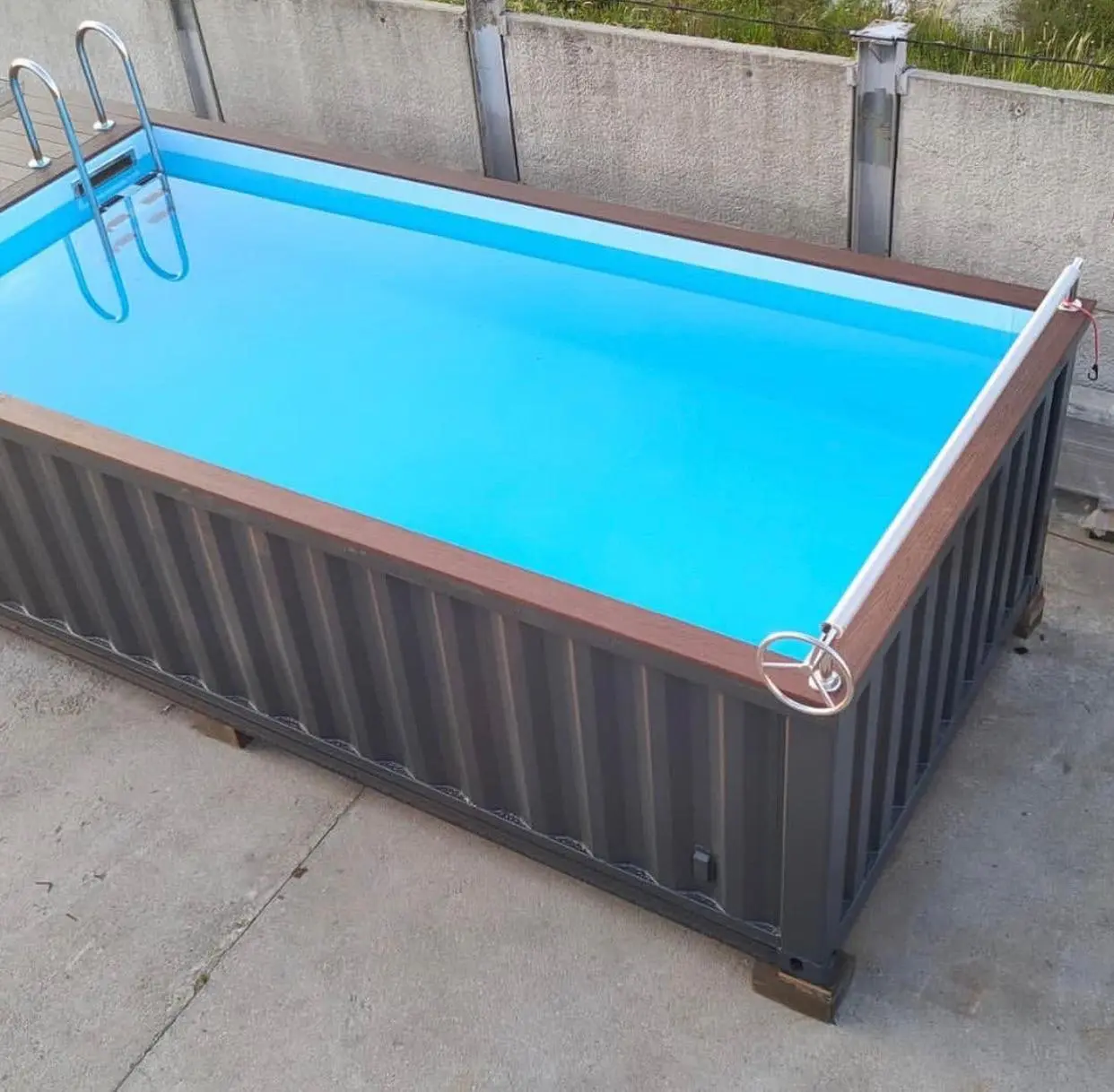
Learn how shipping container pools are built and compare sizes, installation options, costs, foundations, safety requirements and design features.
Shipping containers can be converted into distinctive swimming pools for homes, vacation properties, resorts and commercial recreation areas. Their long rectangular shape can work especially well on narrow properties or in contemporary landscape designs.
However, a shipping container pool is not created by simply filling a cargo container with water. The structure must be evaluated, reinforced and fitted with a suitable pool lining, filtration equipment, plumbing, electrical systems and safety features.
This guide explains the sizes, construction requirements, cost factors and important decisions to consider before starting a shipping container pool project.
Quick Answer: Is a Shipping Container Pool a Good Idea?
A shipping container pool can be a practical option when its narrow shape, modular construction or modern appearance suits the property.
It may be installed above ground, partially recessed or incorporated into a deck. However, it is not automatically cheaper or easier to build than a conventional pool.
A successful project requires:
- A structurally suitable container
- Professional engineering
- A stable foundation
- Proper reinforcement
- A pool-rated waterproof lining
- Filtration and circulation equipment
- Safe electrical and plumbing installation
- Barriers, stairs and other safety features
- Local permits and inspections
Compare CargoVault’s available shipping container pools before selecting a size or design.
What Is a Shipping Container Pool?
A shipping container pool uses a steel container or container-style structure as the shell for a swimming pool.
Depending on the design, the conversion may include:
- Structural steel reinforcement
- Corrosion treatment
- Pool lining or fiberglass interior
- Water-circulation equipment
- Pump and filtration system
- Plumbing and drainage
- Heating
- Underwater lighting
- Access stairs or ladders
- Decking
- Safety barriers
- Transparent viewing panels
- Automatic or manual pool covers
The finished project may retain the container’s industrial appearance or be covered with cladding, decking or other exterior finishes.
Shipping Container Pool Sizes Compared
The right size depends on the property, intended number of users, desired swimming area and delivery access.
| Container size | Common pool application | Main consideration |
| 20ft | Plunge pools, compact backyards and vacation rentals | Limited swimming length |
| 30ft | Medium-size residential and recreational pools | Availability and delivery access |
| 40ft | Family pools, longer swimming areas and commercial projects | Requires substantial delivery and placement space |
| High Cube | Projects needing additional shell height or design flexibility | Does not automatically determine finished water depth |
Exact internal measurements change after reinforcement, insulation and the pool lining are installed.
Review CargoVault’s shipping container dimensions guide before planning the finished pool interior.
20ft Shipping Container Pools
A 20ft container pool can suit:
- Small backyards
- Plunge-pool projects
- Vacation rentals
- Compact hospitality sites
- Wellness and cooling pools
- Properties with limited available space
Its smaller footprint may make placement easier, but the property must still accommodate the delivery truck, unloading equipment, filtration system and safe access around the pool.
Compare available 20ft shipping containers when considering a compact conversion.
30ft Shipping Container Pools
A 30ft pool provides a middle-ground option between compact and full-length designs. It can offer more usable swimming area than a 20ft pool without requiring the complete footprint of a 40ft unit.
Some 30ft containers are purpose-built, while others are professionally shortened from longer containers. Confirm their structural design, dimensions and suitability for a pool conversion before purchasing.
Browse CargoVault’s 30ft shipping container category for available configurations.
40ft Shipping Container Pools
A 40ft container provides considerably more length for swimming, exercise and family recreation.
It may suit:
- Larger residential properties
- Hotels and resorts
- Fitness facilities
- Glamping developments
- Commercial recreation areas
- Long, narrow installation sites
The additional length requires more foundation space and delivery clearance. Measure the complete access route before selecting a 40ft unit.
Compare available 40ft shipping containers.
Does a High Cube Make the Pool Deeper?
A High Cube container is approximately one foot taller externally than a standard container. This can provide additional flexibility for reinforcement, equipment positioning and finished design.
However, choosing a High Cube does not automatically create a deeper pool. Finished water depth depends on:
- Structural engineering
- Interior reinforcement
- Pool lining
- Drainage and plumbing
- Steps or benches
- Local safety requirements
- How the pool is installed relative to the surrounding ground or deck
Explore High Cube containers when extra shell height would benefit the proposed design.
How Is a Shipping Container Converted Into a Pool?
1. Select a Structurally Suitable Container
The roof, walls, corner posts, lower rails and previous repairs should be inspected before modification begins.
A used container may provide an economical starting point, but extensive corrosion, distortion or poorly completed repairs can increase conversion costs.
Use CargoVault’s shipping container inspection checklist when evaluating a container shell.
2. Create an Engineered Design
Water creates substantial weight and pressure. A freight container was not originally designed to operate as a filled swimming pool.
An engineer should evaluate:
- Wall reinforcement
- Top-rail reinforcement
- Openings for windows and equipment
- Foundation loads
- Water pressure
- Access stairs and decks
- Lifting and transportation
- Above-ground or recessed installation
Do not remove wall sections or fill an unmodified container with water without professional design.
3. Prepare the Foundation
The base must support the completed pool, water, equipment and users without uneven settlement.
Depending on the design and ground conditions, the foundation may involve:
- Reinforced concrete
- Engineered footings
- Structural piers
- A prepared support frame
- Drainage around the installation
A basic storage-container foundation may not be sufficient for a pool because the completed water load is substantially greater.
Review CargoVault’s site-preparation checklist before planning access and placement.
4. Install the Pool Lining
Shipping containers are weather-resistant cargo structures, but they are not manufactured as water-retaining swimming pools.
A pool conversion requires a lining or interior system designed for continuous contact with treated water. Depending on the project, this may include:
- Fiberglass
- Flexible pool membranes
- Specialized pool coatings
- Prefabricated interior shells
The selected system must be compatible with the steel structure, water chemistry and intended maintenance process.
Read why shipping containers are wind and watertight rather than completely waterproof.
5. Add Filtration, Plumbing and Electrical Systems
A functional swimming pool needs properly sized circulation and treatment equipment.
The installation may include:
- Pool pump
- Filtration system
- Skimmers
- Return inlets
- Main drains
- Water-treatment equipment
- Heating
- Lighting
- Electrical controls
- Equipment enclosure
Qualified pool, plumbing and electrical professionals should design and install these systems according to the project and local requirements.
6. Install Safe Access and Barriers
Above-ground container pools may require stairs, platforms, guardrails or decking. All access points should be stable, slip-resistant and appropriate for the intended users.
As a general U.S. safety measure, the CDC recommends four-sided pool fencing at least four feet high with self-closing and self-latching gates. Local building and pool codes may require additional or different safeguards. Review the CDC’s current drowning-prevention guidance and confirm local requirements.
Above-Ground vs In-Ground Container Pools
Above-Ground Installation
An above-ground design preserves the visible container appearance and may provide easier access to the exterior walls and equipment.
However, it also requires:
- Safe stairs or a deck
- Fall protection
- Barriers around the water
- Suitable structural support
- Attractive treatment of exposed equipment
Partially Recessed Installation
A partially recessed pool can integrate more naturally with the landscape while retaining some exposed-container design.
Drainage and soil pressure must be considered carefully.
In-Ground Installation
A container should not be buried or surrounded with backfill without engineered reinforcement.
Container walls are not automatically designed to resist the lateral pressure created by surrounding soil and groundwater. Poor drainage can also trap moisture around the steel and accelerate corrosion.
Can a Container Pool Have Glass Windows?
Yes. Transparent side or end panels can create a striking architectural feature.
However, cutting a large opening removes part of the corrugated steel wall. The surrounding structure must be properly reinforced, and the transparent panel must be engineered for the expected water pressure.
The design should account for:
- Panel material and thickness
- Frame strength
- Waterproof seals
- Water pressure
- Expansion and movement
- Long-term inspection
- Replacement access
Large viewing windows should be designed and installed by specialists.
Shipping Container Pool Advantages and Limitations
| Potential advantages | Important limitations |
| Distinctive modern appearance | Requires engineering and reinforcement |
| Long shape suits narrow properties | Interior width is limited |
| Above-ground installation is possible | Delivery and crane access may be necessary |
| Can be fabricated before final placement | Site work and utilities are still required |
| Customizable windows, decks and finishes | Steel needs continuing corrosion protection |
| Available in several lengths | Not automatically cheaper than a conventional pool |
| May be relocatable under certain conditions | Relocation requires draining, disconnection and professional lifting |
The best decision depends on the complete installed project—not only the purchase price of the container.
How Much Does a Shipping Container Pool Cost?
There is no single container-pool price because the container shell is only one part of the project.
Total cost can be affected by:
- Container size and condition
- Pool model and included equipment
- Delivery distance
- Crane or unloading requirements
- Engineering
- Structural reinforcement
- Foundation construction
- Pool lining
- Filtration and plumbing
- Electrical installation
- Heating
- Glass viewing panels
- Stairs and decking
- Safety fencing
- Permits and inspections
- Landscaping
- Ongoing maintenance
When comparing quotations, confirm exactly what is included. A product price may not include site preparation, delivery, utility connections, permits or final installation.
New or Used Container for a Pool?
A one-trip container generally has less corrosion, fewer dents and fewer previous repairs. It may be attractive when part of the exterior will remain visible.
A used container may provide good value, but its structural condition must be evaluated before cutting or reinforcing it.
Check:
- Corner posts
- Top and bottom rails
- Roof and walls
- Existing corrosion
- Previous repairs
- Floor and underside
- Container identification
- Signs of distortion
Cosmetic appearance should not replace a structural assessment.
Delivery and Site Access
A completed or partially completed container pool may require specialized transportation and lifting.
Before ordering, check:
- Road and driveway width
- Gates and tight turns
- Overhead power lines
- Tree branches
- Ground strength
- Crane or truck access
- Foundation position
- Pool orientation
- Equipment location
- Space for future maintenance
CargoVault’s shipping container delivery-space guide explains the access issues to review before scheduling delivery.
Container Pool Maintenance
A container pool needs the same water-quality and equipment maintenance expected of other swimming pools, along with inspection of its steel structure.
A maintenance plan may cover:
- Water chemistry
- Pump and filter servicing
- Interior lining
- Exterior corrosion
- Welded seams
- Windows and seals
- Plumbing connections
- Drainage around the foundation
- Decks, stairs and safety barriers
- Seasonal closing or winterization
Address coating damage and corrosion before they spread beneath the pool lining or exterior finishes.
Frequently Asked Questions
Are shipping container pools cheaper than traditional pools?
Not always. A container may provide the basic shell, but engineering, reinforcement, lining, equipment, delivery, foundation and finishing can make the completed cost vary substantially.
How deep is a shipping container pool?
Depth depends on the container, reinforcement, interior lining, steps, plumbing and safety design. The exterior height should not be treated as the finished swimming depth.
Can a shipping container pool be buried?
Not without proper engineering. Soil and groundwater create forces that ordinary container walls were not necessarily designed to resist.
Can a container pool be moved later?
Some designs may be relocated, but the pool must be drained, disconnected and prepared for professional lifting and transportation. Decking, utilities and foundations can make relocation more complicated.
Will a shipping container pool rust?
Steel can corrode when protective coatings or waterproofing systems fail. Proper surface preparation, coatings, drainage and regular inspections are essential.
Do shipping container pools require permits?
Permit, fencing, electrical, plumbing and safety requirements vary by location. Confirm all applicable rules with the responsible local authorities before ordering or beginning construction.
Plan the Complete Pool Before Ordering
A shipping container pool can create a distinctive swimming and entertainment space, but the project must be planned as a complete pool installation—not simply as a modified storage container.
Choose the size according to the property and intended use, confirm delivery access and work with qualified professionals on engineering, waterproofing, utilities, foundation and safety.
Explore CargoVault’s shipping container pools, then request a custom quote with your preferred size, delivery ZIP code and project requirements.