
Shipping Container Homes: What to Know Before You Build
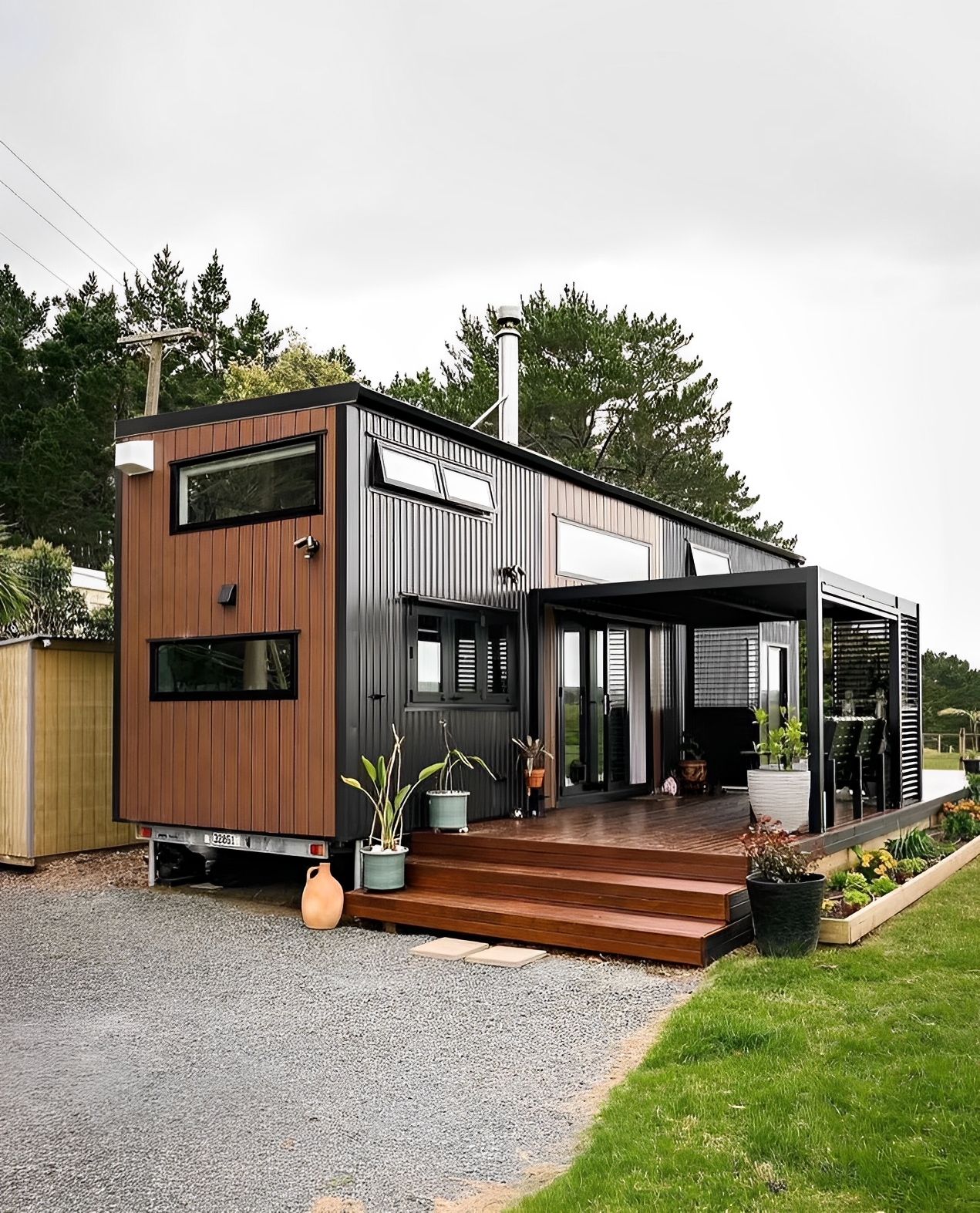
Thinking about building a shipping container home? Learn which container sizes work best and what to consider about permits, foundations, insulation, delivery and total project costs.
Shipping container homes can be transformed into studios, guesthouses, vacation properties, backyard living spaces and full-size residences. Their steel shells provide a strong starting structure, while their modular shape allows several containers to be arranged in different configurations.
However, building a comfortable container home involves much more than purchasing a container and adding windows. Permits, structural engineering, foundations, insulation, moisture control, utilities, delivery access and interior dimensions must all be considered.
This guide explains the most important decisions to make before beginning a shipping container home project.
What Should You Know Before Building a Shipping Container Home?
Before purchasing a container, confirm that local regulations permit your proposed project. You should then determine the required living space, select an appropriate container size and condition, arrange structural and foundation plans, estimate the complete project cost and verify that delivery equipment can access the property.
A container may provide the main shell, but it still needs to function as a safe and comfortable building.
If you are still comparing general container options, begin with the CargoVault shipping container buyer’s guide.
Are Shipping Container Homes a Good Idea?
A shipping container home can be a good option when the design is appropriate for the location, budget and intended use.
Potential advantages include:
- A strong steel shell
- Modular design possibilities
- Different container sizes
- Faster shell installation in some projects
- The ability to relocate certain smaller structures
- Distinctive architectural appearance
- Opportunities for off-site fabrication
- Flexible layouts using multiple containers
There are also important limitations.
Shipping containers are narrow, steel transfers heat quickly and cutting large openings may affect structural strength. Delivery can also be difficult on properties with restricted access.
A container home should not automatically be considered cheaper, faster or easier than conventional construction. The final result depends on the design, location and amount of modification required.
Check Local Building and Zoning Requirements First
Contact the relevant local planning or building authority before purchasing a container.
Requirements can vary by state, county, city and neighborhood. Depending on the project, you may need to consider:
- Zoning restrictions
- Building permits
- Property setbacks
- Foundation requirements
- Structural calculations
- Wind, snow or seismic loads
- Energy-efficiency standards
- Plumbing and electrical permits
- Fire-safety requirements
- Emergency exits
- Utility connections
- Homeowners association rules
A container permitted as temporary storage may not automatically be approved as a permanent residence.
Starting with local requirements can prevent you from purchasing a container that cannot legally be used for your intended project.
Choose the Right Container Size
The best size depends on the number of occupants, intended rooms, available land and proposed layout.
Review the shipping container dimensions, weight and capacity guide before developing floor plans.
20ft Shipping Containers
A 20ft container may be suitable for:
- A compact studio
- Guest accommodation
- A backyard office
- A small vacation unit
- An additional bedroom
- A single-purpose living space
Its smaller footprint may suit restricted sites, but the interior can become tight after insulation, wall finishes, plumbing and storage are added.
40ft Shipping Containers
A 40ft container provides approximately twice the floor length of a 20ft unit.
It may offer more flexibility for:
- Open-plan living spaces
- One-bedroom layouts
- Kitchens and bathrooms
- Combined living and working areas
- Larger guesthouses
A 40ft container requires more delivery and placement space. The site must accommodate both the container and the delivery equipment.
High Cube Containers
High Cube containers are commonly considered for residential conversions because they provide approximately one additional foot of exterior height compared with standard containers.
The extra height can help preserve usable headroom after insulation, flooring, ceiling finishes and utilities are installed.
Read the High Cube shipping container guide to understand where the additional height may be useful.
Multi-Container Designs
Two or more containers can be positioned side by side, separated by a conventionally built section or arranged around a central living area.
Multi-container layouts provide more design freedom but also introduce additional engineering, weatherproofing, foundation and connection requirements.
The points where containers meet must be properly supported, reinforced, sealed and insulated.
One-Trip or Used Container?
Container condition is particularly important when the unit will become part of a home.
One-Trip Containers
One-trip containers have normally completed a single cargo journey after manufacture.
They are often chosen for residential projects because they generally have:
- Less corrosion
- Fewer dents
- Cleaner interiors
- Better door seals
- More consistent appearance
- Less previous cargo exposure
They usually cost more than older used containers, but the cleaner starting condition may reduce some preparation work.
Used Containers
A used container may provide a lower purchase price, but it requires careful inspection.
Check for:
- Roof dents
- Holes and active leaks
- Deep corrosion
- Damaged flooring
- Strong odors
- Signs of spills
- Difficult cargo doors
- Twisted frames
- Poor previous repairs
The lowest-priced container may not produce the lowest total project cost if extensive steel, flooring or coating repairs are required.
Compare the available shipping container condition grades and follow the guide explaining how to inspect a container before buying.
Plan for Structural Engineering
Shipping containers obtain much of their strength from their corrugated walls, frames, corner posts and corner castings.
Cutting openings for windows, sliding doors or wide interior connections can change how loads move through the structure. Large openings may require reinforced steel frames or other engineered support.
Structural planning becomes especially important when:
- Removing large sections of sidewall
- Joining several containers
- Stacking containers
- Adding a roof deck
- Installing a separate roof structure
- Building in areas with strong winds
- Supporting heavy interior equipment
- Altering corner posts or main rails
A qualified structural engineer should evaluate the proposed design, foundation and local environmental loads.
Do not begin cutting the container before the complete layout and reinforcement plan have been established.
For design inspiration, review these shipping container modifications that add practical value.
Select the Correct Foundation
A container home requires a foundation appropriate for the soil, climate, design and local building requirements.
Possible foundation systems include:
- Concrete slabs
- Concrete piers
- Strip foundations
- Engineered footings
- Other professionally designed support systems
There is no single foundation that is best for every container home.
The foundation must keep the structure level, transfer its loads safely and protect the underside from standing water. Poor support can contribute to settlement, door misalignment and structural stress.
Drainage should move water away from the building instead of allowing it to collect beneath the container.
Use the shipping container site-preparation checklist when evaluating the proposed location.
Insulation Is Essential
Steel responds quickly to outdoor temperature changes. An uninsulated container may become extremely hot or cold depending on the climate.
Insulation also affects condensation, energy efficiency, interior space and comfort.
Common approaches may involve:
- Closed-cell spray foam
- Rigid insulation boards
- Insulated wall systems
- Mineral wool
- Exterior insulation systems
- Hybrid insulation assemblies
Each method has advantages and limitations. The correct system depends on the local climate, wall design, available interior space and applicable building requirements.
Insulation should be planned as part of the complete wall, roof and moisture-control system—not installed as an isolated product.
Because containers are relatively narrow, thick interior insulation can noticeably reduce usable living space. This is another reason High Cube containers are often considered for residential conversions.
Control Condensation and Ventilation
Warm, moisture-laden air can condense when it contacts colder steel. Without an effective moisture strategy, condensation may contribute to:
- Mold
- Damp insulation
- Corrosion
- Damaged wall finishes
- Poor indoor air quality
- Water staining
- Unpleasant odors
Moisture control may involve properly designed insulation, vapor management, heating and cooling, ventilation and dehumidification.
Bathrooms, kitchens and laundry areas require particular attention because they produce additional moisture.
Read the shipping container ventilation and moisture-control guide before finalizing the wall and mechanical systems.
Weatherproof the Entire Structure
A cargo container in suitable condition may resist wind-driven rain, but a converted home contains many new potential entry points.
Windows, doors, vents, pipes, electrical conduits and roof penetrations must be correctly flashed and sealed.
Pay attention to:
- Window and door openings
- Roof penetrations
- Container-to-container connections
- Exterior welds
- Cut steel edges
- Utility openings
- Roof drainage
- Coating damaged during construction
Every exposed cut edge should be cleaned, primed and coated to help prevent corrosion.
The guide covering whether shipping containers are waterproof explains what buyers should expect from an unmodified storage container.
Plan Plumbing, Electrical and HVAC Systems Early
Utilities should be incorporated into the design before walls and ceilings are closed.
Plumbing
Plan the positions of bathrooms, kitchens, water heaters, supply lines, drains and sewer or septic connections.
Keeping wet areas close together may reduce the amount of plumbing required, but the final system should be designed for the layout and local code requirements.
Electrical System
Determine the expected electrical load, outlet positions, lighting, major appliances and exterior connections.
Electrical work should be completed by appropriately qualified professionals. Improvised wiring can create fire and electrical hazards.
Heating and Cooling
The appropriate HVAC system depends on:
- Climate
- Floor area
- Insulation
- Window size and orientation
- Number of occupants
- Local energy requirements
- Expected use of the building
Equipment should be sized for the completed structure rather than the empty steel shell.
Ventilation
Bathrooms, kitchens and tightly sealed living areas may require mechanical ventilation.
Ventilation openings must be planned without unnecessarily weakening structural elements or allowing water to enter.
Design the Interior Around the Container’s Width
A standard container’s narrow interior can influence furniture placement and room design.
Careful planning can make the space feel more open.
Consider:
- Sliding or pocket doors
- Built-in storage
- Compact appliances
- Wall-mounted furniture
- Large windows positioned for daylight
- Open-plan layouts
- High ceilings where possible
- Light-colored interior finishes
- Exterior living areas
- Multiple connected containers
Mark insulation, framing and finished wall thicknesses on the floor plan. Designing only from the container’s exterior dimensions can result in rooms that are smaller than expected.
Confirm Delivery Access Before Ordering
The property must accommodate the delivery vehicle as well as the container.
Check for:
- Narrow roads
- Tight turns
- Gates and fences
- Soft or unstable ground
- Steep slopes
- Trees and low branches
- Overhead power lines
- Buildings and parked vehicles
- Space for cranes or unloading equipment
A 40ft container requires substantially more maneuvering and unloading space than its actual length.
Review the shipping container delivery-space requirements and share accurate site photographs with the supplier before delivery.
What Does a Shipping Container Home Cost?
There is no universal shipping container home price.
The container itself is only one part of the total project budget. Other potential expenses include:
- Land and surveys
- Permits
- Architectural plans
- Structural engineering
- Site preparation
- Foundation construction
- Container delivery
- Crane services
- Steel reinforcement
- Windows and doors
- Insulation
- Interior framing
- Plumbing
- Electrical work
- HVAC equipment
- Kitchens and bathrooms
- Roofing and drainage
- Exterior coatings
- Interior finishes
- Utility connections
- Inspections
- Contingency funds
A heavily modified container home may not be cheaper than an equivalent conventional building.
Request detailed estimates based on the complete design instead of comparing only container purchase prices. The guide to factors affecting shipping container prices explains what determines the starting container cost.
Recommended Planning Sequence
| Project Stage | Main Decision |
| 1. Feasibility | Confirm zoning, permits and intended use |
| 2. Site evaluation | Review soil, drainage and delivery access |
| 3. Concept design | Choose the number, size and arrangement of containers |
| 4. Professional design | Complete architectural, structural and utility plans |
| 5. Budgeting | Obtain itemized estimates and establish a contingency |
| 6. Container selection | Choose suitable size, condition and type |
| 7. Site preparation | Construct the approved foundation and utility connections |
| 8. Delivery | Position the containers according to the engineered plan |
| 9. Modification | Complete reinforcement, openings and weatherproofing |
| 10. Interior work | Install insulation, utilities, finishes and equipment |
| 11. Inspection | Complete required inspections before occupancy |
Following a planned sequence can reduce expensive changes during construction.
Common Shipping Container Home Mistakes
Buying Containers Before Checking Local Rules
A suitable-looking container is not helpful if the proposed residence cannot be approved on the property.
Designing From Exterior Dimensions
Insulation, framing, utilities and finishes reduce the usable interior space.
Cutting Openings Without Reinforcement
Removing steel without an engineering plan can compromise structural performance.
Underestimating Delivery Requirements
A container may fit on the property while the delivery truck or crane cannot reach the intended position.
Ignoring Condensation
Installing attractive interior finishes without a complete insulation and moisture strategy may hide problems until damage develops.
Choosing Used Containers Based Only on Price
Repairs, cleaning, flooring work and corrosion treatment can reduce or eliminate the initial savings.
Underestimating the Complete Budget
The container shell does not include the foundation, engineering, utilities, insulation, finishes or professional labor.
Making Utility Decisions Too Late
Moving bathrooms, kitchens or electrical equipment after construction begins can add cost and delay the project.
Frequently Asked Questions
Are Shipping Container Homes Legal?
Shipping container homes may be permitted in some locations, but the requirements depend on local zoning, building codes and the proposed use.
Contact the appropriate local authority before purchasing containers or beginning design work.
Which Shipping Container Is Best for a Home?
One-trip High Cube containers are often considered because they provide cleaner starting conditions and additional height. However, the best option depends on the design, budget, location and structural plan.
Do Shipping Container Homes Need Foundations?
A permanent container home generally requires an appropriately designed foundation. The correct system depends on local regulations, soil conditions, climate and structural loads.
Do Shipping Container Homes Need Insulation?
In most climates, insulation is essential for temperature control, condensation management and energy efficiency.
The insulation must form part of a complete wall and moisture-control system.
Can Shipping Containers Be Stacked to Make a House?
Containers can be stacked as part of an engineered design. Foundations, connections, structural changes, wind loads and local requirements must be evaluated by qualified professionals.
Are Shipping Container Homes Cheaper Than Traditional Homes?
They can be cost-effective in certain situations, but they are not automatically cheaper. Extensive structural changes, difficult delivery access, premium finishes and utility installation can significantly increase the total cost.
Start With the Right Container and a Complete Plan
A successful shipping container home begins with careful planning—not with cutting into the steel.
Confirm local requirements, involve qualified design professionals and calculate the complete project cost before purchasing containers. Choose a container size and condition that supports the final design, and verify site access before arranging delivery.
Browse CargoVault’s shipping container categories or request a quote to discuss containers and delivery options for your project.