
20ft vs 40ft Shipping Containers: Which Is Best?
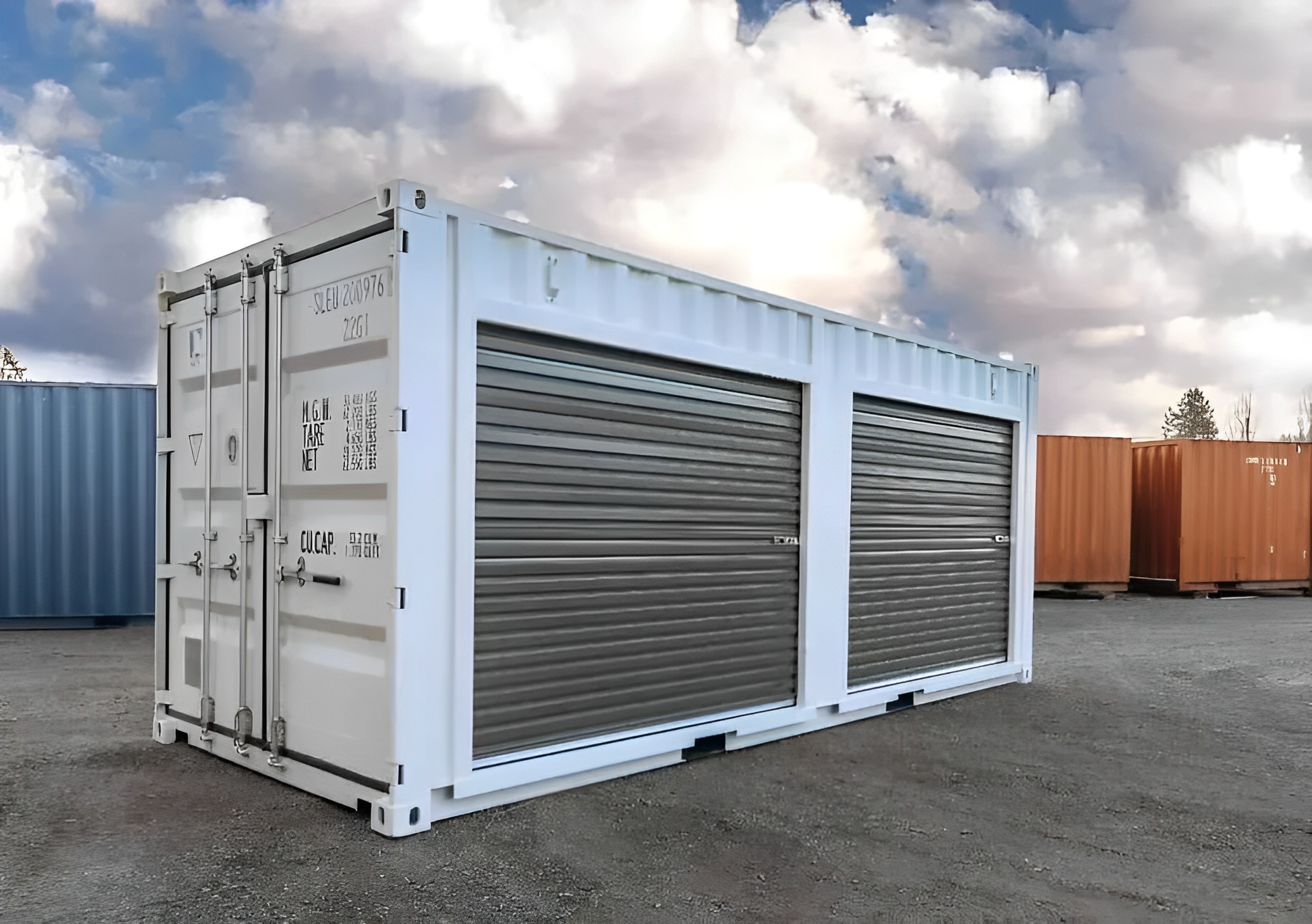
Compare 20ft and 40ft shipping containers by dimensions, capacity, price, delivery requirements and common uses to choose the right size.
Choosing between a 20ft and 40ft shipping container is one of the most important decisions when planning a storage, commercial or conversion project.
A 20ft container requires less placement space and may be easier to deliver. A 40ft container provides approximately twice the floor space and can offer better value when you need substantial storage capacity.
However, the largest container is not automatically the best choice. Your decision should consider the items being stored, property size, delivery access, container condition and complete delivered cost.
This guide compares 20ft and 40ft shipping containers so you can choose the right option for your project.
Quick Answer: Should You Buy a 20ft or 40ft Container?
Choose a 20ft shipping container when you have moderate storage requirements, limited property space or restricted delivery access.
Choose a 40ft shipping container when you need considerably more storage, have enough delivery and placement space or plan to complete a larger conversion.
Choose a 40ft High Cube container when you need additional height for tall equipment, shelving, insulation or interior ceilings.
20ft vs 40ft Shipping Container Comparison
The following measurements are approximate. Dimensions and empty weights can vary slightly by manufacturer and model.
| Feature | 20ft Standard Container | 40ft Standard Container |
| Exterior length | Approximately 20ft | Approximately 40ft |
| Exterior width | Approximately 8ft | Approximately 8ft |
| Exterior height | Approximately 8ft 6in | Approximately 8ft 6in |
| Interior length | Approximately 19ft 4in | Approximately 39ft 5in |
| Interior width | Approximately 7ft 8in | Approximately 7ft 8in |
| Interior height | Approximately 7ft 10in | Approximately 7ft 10in |
| Approximate floor area | About 150 square feet | About 300 square feet |
| Approximate internal volume | About 1,170 cubic feet | About 2,380 cubic feet |
| Typical use | Household goods, tools and smaller equipment | Commercial inventory, machinery and conversions |
| Delivery access | Generally easier | Requires more maneuvering space |
Before ordering, review the complete shipping container dimensions, weight and capacity guide.
You should also check the shipping container door dimensions if you plan to store vehicles, machinery, pallets or wide equipment.
Why Choose a 20ft Shipping Container?
A 20ft container provides secure storage while using a relatively compact area.
It can be a practical option for residential properties, small businesses, farms, construction sites and locations where a longer delivery truck may have difficulty maneuvering.
A 20ft container may be suitable when:
- You need to store household belongings
- You have tools or smaller equipment
- Your property has limited space
- Delivery access is restricted
- You want storage close to a house or business
- You do not need the capacity of a 40ft unit
- You may need to relocate the container later
- You want to separate goods between multiple smaller units
Buyers looking for a newer unit can review this 20ft one-trip shipping container.
Advantages of a 20ft Container
Smaller Placement Area
A 20ft container occupies approximately half the ground length of a 40ft container. This can make it easier to position on compact residential or commercial properties.
Easier Delivery Access
A 20ft container may be transported using a shorter delivery vehicle, depending on the supplier and unloading method.
It still requires clear truck access and unloading space, but it can be more practical than a 40ft unit on restricted sites.
Convenient Organization
A smaller container can prevent storage from becoming unnecessarily spread out. Frequently used equipment may also be easier to reach when the container is properly organized.
Useful for Dense Materials
A 20ft container may be appropriate when storing smaller quantities of heavy materials. The container and foundation must still be suitable for the expected load.
Flexible Site Layout
Two 20ft containers can be positioned in different areas or used for separate purposes. One could hold tools while the other stores household goods or business inventory.
Limitations of a 20ft Container
A 20ft container provides less capacity and may become overcrowded if your storage requirements increase.
Buying a second container later may result in additional delivery, foundation and security expenses. Two 20ft containers will also have two sets of cargo doors to maintain and secure.
Why Choose a 40ft Shipping Container?
A 40ft container provides approximately twice the floor space of a 20ft unit while generally maintaining the same width.
It may be suitable for:
- Commercial inventory
- Building materials
- Large equipment
- Furniture
- Agricultural supplies
- Workshop conversions
- Container offices
- Residential conversions
- Long-term business storage
- Projects that require separate internal zones
A 40ft container may provide better value per square foot when you need substantial capacity and the property can accommodate delivery.
Buyers can compare options such as this 40ft standard one-trip shipping container.
Advantages of a 40ft Container
More Storage in One Unit
A single 40ft container provides a large continuous space without requiring a second container, additional cargo doors or two separate delivery positions.
Suitable for Large Items
The additional length can accommodate long equipment, construction materials, vehicles and large quantities of commercial inventory.
The door width remains similar to a 20ft container, so confirm that wide equipment can pass through the opening.
Better for Conversions
A 40ft container provides more room for dividing the interior into working, storage or living areas.
It is frequently considered for:
- Workshops
- Offices
- Retail spaces
- Cafés
- Equipment rooms
- Accommodation units
- Container homes
Room for Future Growth
If your inventory or equipment requirements are likely to increase, a 40ft container may reduce the risk of outgrowing the available space.
Limitations of a 40ft Container
A 40ft container requires:
- A larger placement area
- More truck maneuvering space
- A longer prepared foundation
- Suitable lifting or unloading equipment
- More planning on restricted properties
It may also be unnecessarily large for modest household storage or a small tool collection.
Should You Consider a 40ft High Cube Container?
A 40ft High Cube container has approximately the same length and width as a standard 40ft unit but provides one additional foot of exterior height.
The extra vertical space may be useful for:
- Tall machinery
- High shelving systems
- Large commercial inventory
- Workshops
- Container offices
- Residential conversions
- Electrical and HVAC installations
- Insulation and finished ceilings
- Oversized equipment
If your project involves a finished interior, the additional height can make the space feel more comfortable after flooring, insulation and ceiling materials are installed.
Read the complete High Cube shipping container guide or view this 40ft High Cube one-trip container.
A High Cube container does not provide additional width, so it will not solve problems involving wide machinery or limited side clearance.
Which Container Provides Better Value?
A 40ft container normally costs more than a comparable 20ft unit, but the price is not usually double.
This means a 40ft container can offer a lower cost per square foot when you genuinely need the additional capacity.
However, the purchase price is only part of the total cost. Compare:
- Container price
- Delivery charges
- Site preparation
- Foundation or supports
- Crane or specialized unloading
- Modifications
- Repairs
- Security equipment
- Long-term maintenance
- Permit requirements
A cheaper container located far from your property may have a higher delivered cost than a more expensive unit available nearby.
The guide to shipping container prices and cost factors explains why prices vary.
Compare Usable Space, Not Just Exterior Length
A 40ft container provides approximately twice the floor area of a 20ft container, but usable capacity depends on how the interior is organized.
Consider:
- Aisle space
- Door clearance
- Shelving depth
- Pallet dimensions
- Equipment turning space
- Access to frequently used items
- Ventilation equipment
- Interior walls and insulation
- Electrical panels
- Emergency exits for occupied conversions
A full container is not necessarily an efficient container. You should be able to reach stored items without unloading everything near the doors.
Plan the interior layout before selecting the size.
Consider the Items You Need to Store
Household Storage
A 20ft container may be sufficient for furniture, appliances, seasonal belongings and personal items from a smaller property.
A larger household, renovation project or long-term move may require a 40ft container.
Tools and Construction Equipment
A 20ft container can work well for tools, generators and smaller equipment.
Contractors storing substantial quantities of building materials or machinery may benefit from a 40ft unit.
Commercial Inventory
A 40ft container may provide better value for businesses holding bulk inventory.
Businesses with limited stock or frequent access to a smaller product range may find a 20ft unit easier to organize.
Vehicles
Length is only one consideration when storing a vehicle. Confirm the cargo-door width, vehicle width, mirror clearance and space for the driver to exit.
A 40ft container provides additional length but does not normally provide more width than a 20ft container.
Conversion Projects
A 20ft container may work for a compact office, guard station, kiosk or single-room studio.
A 40ft or High Cube container may be better for larger offices, workshops, living spaces and multi-room layouts.
Container Condition Is Equally Important
Choosing the right size does not guarantee that the container is suitable for your intended use.
Containers are sold in different conditions.
One-Trip Containers
One-trip containers have usually completed a single cargo journey after manufacture.
They commonly offer:
- Minimal wear
- Fewer dents
- Cleaner interiors
- Better exterior appearance
- Newer door seals
- Longer potential service life
They are often considered for conversions and projects where appearance matters.
Cargo-Worthy Containers
A cargo-worthy container should be structurally suitable for freight transportation at the time it is assessed.
International shipping may require the appropriate inspection and valid certification. Confirm current requirements with the carrier before purchasing.
Wind and Watertight Containers
Wind and watertight containers are commonly selected for stationary storage. They should have functioning cargo doors and no holes that allow wind or water to enter.
They may show cosmetic wear, surface rust, dents and previous repairs.
Review the guide to shipping container condition grades and compare used versus one-trip containers before choosing based on price alone.
Compare Delivery Requirements
Delivery access can determine which size is practical for your property.
Before ordering, consider:
- Road width
- Driveway width
- Gate openings
- Turning space
- Ground firmness
- Slopes
- Overhead wires
- Tree branches
- Fences
- Nearby buildings
- Parked vehicles
- Space for unloading equipment
A delivery truck needs considerably more space than the container’s actual length. A property with room for a 40ft container may still lack enough room for the delivery vehicle to unload it.
Use the shipping container site-preparation checklist and confirm the required delivery and unloading space with the supplier.
Foundation and Placement Considerations
Both container sizes require firm, level and well-drained placement areas.
Suitable solutions may include compacted gravel, concrete pads or properly designed supports. The correct foundation depends on the container, soil, expected load, intended use and local requirements.
A 40ft container requires a longer prepared area. Uneven support may contribute to frame movement and cargo doors that become difficult to operate.
Permanent buildings and heavily modified containers may require professionally designed foundations.
One 40ft Container or Two 20ft Containers?
One 40ft container may be the better option when:
- You need one continuous storage area
- The property has sufficient delivery access
- You want fewer cargo doors to secure
- You want to reduce duplicated site-preparation work
- You plan a large conversion
Two 20ft containers may be better when:
- They need to be placed in different locations
- You want to separate inventory or equipment
- Access is too restricted for a 40ft delivery
- The units will serve different departments or projects
- You want to expand storage gradually
Compare the complete delivered and installed cost of both arrangements before deciding.
20ft vs 40ft Decision Checklist
Choose a 20ft container when:
- Your storage requirements are moderate
- Property space is limited
- Delivery access is restricted
- You want a smaller initial purchase
- You need storage for tools or household belongings
- A compact office or workspace is being planned
Choose a 40ft container when:
- You need maximum storage capacity
- You have sufficient placement and delivery space
- You are storing commercial inventory
- You need room for long equipment
- Your storage requirements may grow
- You plan a larger conversion
Choose a 40ft High Cube container when:
- Additional vertical space is important
- You need taller shelving
- You are storing tall machinery
- The project requires insulation and interior ceilings
- You are planning an office, workshop or residential conversion
Frequently Asked Questions
Does a 40ft Container Hold Twice as Much as a 20ft Container?
A 40ft container provides approximately twice the floor area and internal volume of a 20ft unit. Actual usable capacity depends on cargo shape, shelving, access aisles and interior modifications.
Is a 40ft Container Twice the Price of a 20ft Container?
Not necessarily. Pricing depends on condition, location, availability, delivery and container type.
A 40ft container may offer better value per square foot, but only if you need the additional capacity and can accommodate delivery.
Is a 20ft Container Easier to Deliver?
Generally, yes. A 20ft container may be transported and positioned using shorter equipment, depending on the supplier.
The exact access requirements must still be confirmed before delivery.
Are 20ft and 40ft Containers the Same Width?
Standard 20ft and 40ft containers are generally approximately eight feet wide externally and have similar internal widths.
A 40ft container provides more length, not more width.
Is a High Cube Container Worth It?
A High Cube container can be worthwhile when you need additional vertical storage or plan to install insulation, ceilings, lighting or other interior systems.
Can I Add Shelving to Either Size?
Yes. Shelving can improve organization in both sizes. The system should be appropriate for the expected load and installed without compromising the container’s structure or weather resistance.
Choose the Container That Fits the Complete Project
A 20ft shipping container is often the best choice for moderate storage, compact properties and restricted delivery sites.
A 40ft container is better suited to large inventories, equipment, business storage and substantial conversion projects.
A 40ft High Cube provides additional vertical space for tall goods, shelving and finished interiors.
Before purchasing, measure the site, calculate your storage requirements and confirm delivery access. Compare the available shipping container categories or request a quote from CargoVault Containers for help selecting the right size and condition.