
Storing a Car in a Shipping Container: Complete Guide
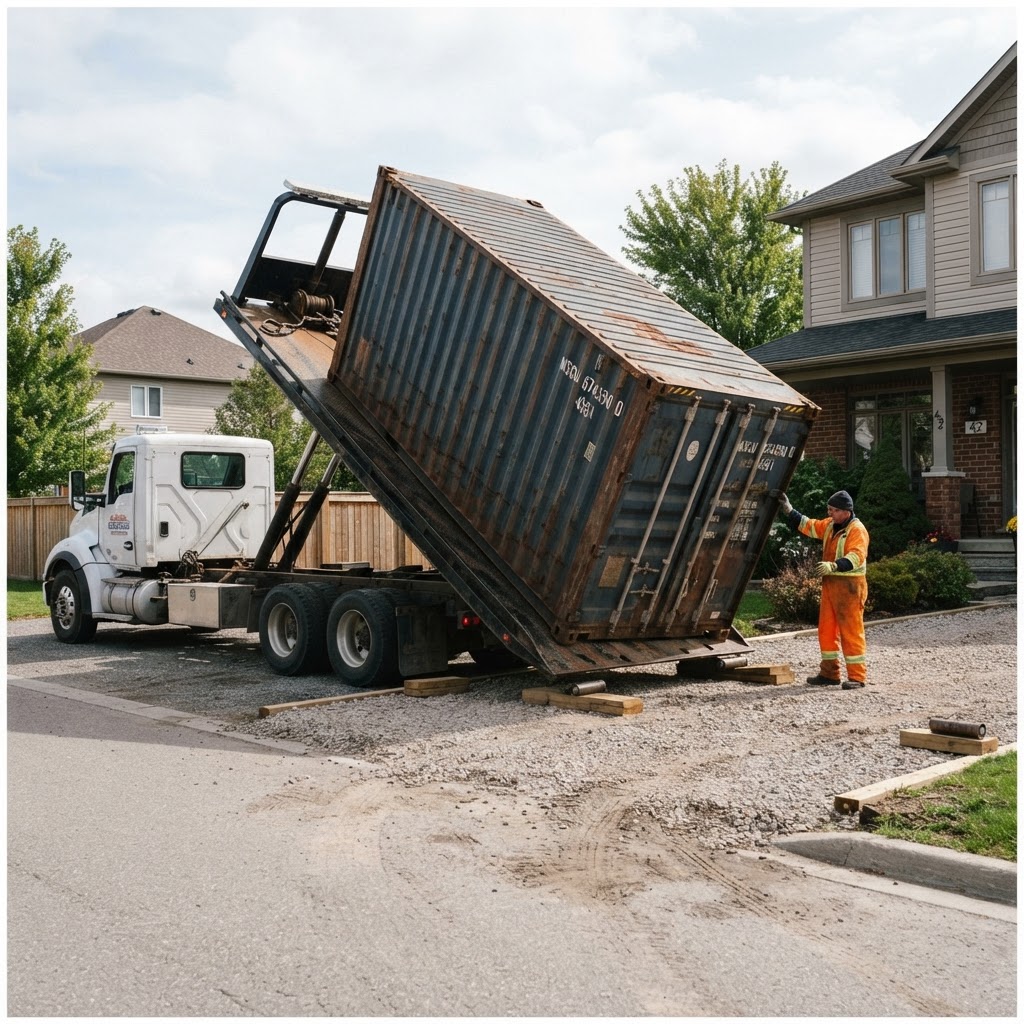
Learn how to store a car in a shipping container, choose the right container size, plan safe loading, control moisture and protect your vehicle during long-term storage.
Yes, many cars, motorcycles, ATVs and project vehicles can be stored inside shipping containers. A container provides an enclosed steel structure that can protect a vehicle from weather, theft and outdoor exposure.
However, successful vehicle storage requires more than confirming that the car is shorter than the container. You must also consider the container’s internal width, door opening, vehicle height, loading ramp, floor condition, ventilation and the space needed to exit the car after loading.
This guide explains how to select and prepare a shipping container for vehicle storage.
Why Use a Shipping Container for Car Storage?
A shipping container can provide a practical alternative when a permanent garage is unavailable or unsuitable.
Potential benefits include:
- Enclosed protection from rain, snow and direct sunlight
- Strong steel walls and cargo doors
- Relocatable storage
- Space for vehicles, tools and replacement parts
- Different container sizes and access configurations
- The ability to add ventilation, lighting and security modifications
A shipping container should not automatically be treated as a code-compliant residential garage. Local requirements may apply if the container is installed permanently, connected to utilities or used as a workshop.
Will a Car Fit Inside a Shipping Container?
Many passenger vehicles can fit inside a standard 20ft shipping container. The more difficult issue is often opening the car door once the vehicle is inside.
Shipping containers are much narrower internally than ordinary residential garages. A vehicle may pass through the cargo doors but leave very little space for the driver to exit.
Before choosing a container, compare the vehicle’s exact measurements with the shipping container dimensions, weight and capacity guide.
Measure the vehicle’s:
- Overall length
- Width with mirrors extended
- Width with mirrors folded
- Overall height
- Ground clearance
- Tire-to-tire width
- Door-opening space
- Roof racks, antennas and other accessories
Container dimensions can vary slightly by manufacturer, age and design. Always confirm the measurements of the specific unit you intend to purchase.
Do Not Forget the Container Door Opening
The internal dimensions do not necessarily match the usable cargo-door opening.
A tall SUV, truck or modified vehicle may fit inside the container but be unable to pass safely through the doorway. Door locking gear also reduces the clear space around the entrance.
Review the shipping container door-dimensions guide before arranging delivery.
Measure the widest and tallest parts of the vehicle rather than relying only on the dimensions published for the basic model. Aftermarket wheels, suspension changes and roof accessories can alter the required clearance.
Which Container Size Is Best for Vehicle Storage?
The appropriate container depends on the vehicle and whether you need additional storage space.
| Container Type | Potential Use | Important Consideration |
| 20ft standard container | One compact or midsize vehicle | Limited space around the vehicle |
| 40ft standard container | Larger vehicle or vehicle with equipment | Additional length but generally not additional width |
| High Cube container | Taller SUVs, vans or vehicles with roof accessories | Extra height does not increase side clearance |
| Open-side container | Easier side access and vehicle-door clearance | Requires sufficient space beside the container |
| Double-door container | Access from either end | Does not solve limited interior width |
A 40ft container provides considerably more length than a 20ft unit, but it is not normally wider. Buyers who need extra working room should not assume that choosing a 40ft container will provide more space beside the vehicle.
The 20ft versus 40ft shipping container comparison can help you evaluate the available storage capacity.
Consider an Open-Side Container
An open-side container can be particularly useful for vehicle storage because a larger section of the sidewall can be opened.
Depending on the container and placement area, this can make it easier to:
- Enter and exit the vehicle
- Reach the battery and interior
- Perform inspections
- Load motorcycles or equipment
- Remove the vehicle without working only through the cargo doors
Open-side containers require clear working space along the opening wall. They may also cost more than standard containers.
Read the open-side versus standard container comparison before deciding whether the improved access justifies the additional cost.
Inspect the Container Before Storing a Vehicle
A vehicle should not be placed inside a container without checking the container’s condition.
Inspect the following areas:
Container Floor
The floor should be solid, level and capable of supporting the vehicle. Look for soft areas, damaged boards, raised fasteners, chemical staining or previous repairs.
If the container’s history is unclear, ask the supplier about its condition and intended suitability.
Roof and Walls
Check for holes, deep corrosion and damaged seams. Standing inside the closed container during daylight may reveal pinholes where light enters.
Cargo Doors
The doors should open fully and remain safely secured while the vehicle is being loaded. Door seals should be intact, and the locking bars should operate correctly.
Interior Condition
The interior should be clean, dry and free from strong odors, standing water, loose debris and visible mold.
Understanding whether shipping containers are waterproof can help you distinguish between normal weather resistance and a container that requires repairs.
Prepare the Site Before Delivery
The container must remain level so its doors operate correctly and the vehicle does not shift unexpectedly.
A suitable placement area should have:
- Firm, stable ground
- Effective drainage
- Appropriate container supports
- Sufficient truck access
- Space for opening the cargo doors
- Room to position a loading ramp
- Safe access around the container
Avoid low areas where water collects. Standing water around the lower rails can contribute to corrosion and settlement.
Use the complete shipping container site-preparation checklist before scheduling delivery.
Plan a Safe Loading Method
Most shipping containers have a raised entrance threshold. A suitable ramp is normally required to move a vehicle from ground level into the container.
The ramp should be designed for:
- The vehicle’s total weight
- The distance between its tires
- The height of the container threshold
- The vehicle’s ground clearance
- The approach and departure angles
- The condition of the ground beneath it
A ramp that is too steep can cause a low vehicle to scrape its bumper, underbody or exhaust system.
Do not use improvised boards or supports that have not been rated for the expected load.
Loading the Vehicle Into the Container
Plan the loading process before starting the engine or moving the vehicle.
Secure the Container Doors
Open the cargo doors fully and secure them so wind cannot cause them to swing during loading.
Use a Spotter
A spotter positioned safely outside the vehicle can help monitor:
- Mirror clearance
- Wheel position
- Ramp alignment
- Roof clearance
- Distance from the container walls
- Final stopping position
The driver and spotter should agree on clear signals before loading begins.
Keep the Area Ventilated
Never run or idle a combustion-engine vehicle inside a closed container. Exhaust gases can quickly create a dangerous environment.
Keep the container open and ventilated during loading. Turn the engine off as soon as the vehicle reaches its final position.
Consider Professional Loading Equipment
If there will not be enough space to open the driver’s door, professional vehicle movers may use suitable winching or positioning equipment.
Any winch, cable, attachment point or recovery equipment must be correctly rated and operated by someone who understands the risks. Never stand in line with a tensioned cable.
Secure the Vehicle After Loading
The container should be level, but the vehicle should still be protected against unintended movement.
Depending on the vehicle manufacturer’s instructions and the storage arrangement, this may include:
- Applying the parking brake
- Selecting the appropriate transmission position
- Using properly positioned wheel chocks
- Keeping the tires centered on the container floor
- Avoiding contact between the vehicle and container walls
- Using approved tie-down points when movement is possible
Do not attach straps to suspension, steering or body components unless they are approved for that purpose.
Control Condensation and Humidity
Moisture is one of the biggest concerns when storing a vehicle inside a steel container.
Temperature changes can cause water vapor to condense on the ceiling and walls. Condensation may contribute to:
- Vehicle corrosion
- Mold and mildew
- Damp upholstery
- Electrical problems
- Damage to tools and replacement parts
- Water dripping from the container ceiling
Possible moisture-control measures include passive vents, powered fans, desiccants, dehumidifiers and appropriate insulation.
The correct approach depends on the climate, storage duration, electricity availability and sensitivity of the vehicle. Use the shipping container ventilation and moisture-control guide when planning the interior.
Do not cover the vehicle with non-breathable plastic if moisture may become trapped underneath it. Use a vehicle cover designed for the intended storage environment.
Prepare the Vehicle for Long-Term Storage
Follow the vehicle manufacturer’s instructions before placing a car into long-term storage.
General preparation may include:
- Washing and thoroughly drying the vehicle
- Cleaning the interior
- Checking for fluid leaks
- Inflating the tires to the recommended pressure
- Following manufacturer guidance for the battery
- Checking coolant, oil and other fluids
- Protecting against pests
- Removing food and perishable materials
- Recording the vehicle’s condition and mileage
- Keeping keys and important documents in a secure location
Battery maintainers and other electrical equipment should only be used with properly installed, code-compliant electrical systems. Do not rely on improvised extension wiring inside a storage container.
Fuel-storage and fire-safety requirements can vary. Check local regulations, property rules and insurance requirements before storing a fueled vehicle.
Protect the Container Floor
Cars may leak oil, coolant, brake fluid or other substances while stored.
A suitable drip tray or protective floor system can help prevent fluids from soaking into a wooden container floor. Investigate and repair active leaks rather than allowing fluids to accumulate.
Keep absorbent material and other maintenance products appropriate for the vehicle, but store chemicals according to their labels and applicable fire-safety requirements.
Improve Vehicle Access
A standard container may provide enough room for the vehicle but not enough room to work comfortably around it.
Possible access improvements include:
- Full-side cargo doors
- A properly installed personnel door
- Interior lighting
- A wider modified opening
- Removable wheel guides
- A permanent rated loading ramp
- Ventilation systems
Cutting new doors or openings can affect the container’s structural strength. Modifications should be designed and completed by experienced professionals, with all exposed steel properly sealed and coated against corrosion.
Secure the Vehicle Against Theft
A steel container can provide strong physical protection, but its security depends on the doors, locks and location.
Consider:
- A welded lockbox
- A suitable container padlock
- Door-handle protection
- Security lighting
- Cameras or alarms
- Controlled site access
- Vehicle immobilization
- Appropriate insurance coverage
Avoid leaving vehicle documents or spare keys inside the container.
CargoVault’s shipping container security guide explains how different security measures can work together.
Check Permits, Insurance and Local Rules
Before creating a shipping container garage or long-term vehicle-storage area, check with the relevant local authority.
Requirements may concern:
- Zoning
- Setbacks
- Foundations
- Drainage
- Exterior appearance
- Electrical installations
- Fire safety
- Fuel storage
- Permanent modifications
You should also confirm that your vehicle and property insurance policies cover container-based storage. Some insurers may require specific security, ventilation or site conditions.
Frequently Asked Questions
Can a Car Fit in a 20ft Shipping Container?
Many compact and midsize passenger vehicles can fit inside a 20ft container. However, the available space for opening the car door may be very limited.
Measure the complete vehicle and the specific container before buying.
Is a 40ft Container Better for Car Storage?
A 40ft container provides more length for a larger vehicle, tools, parts or additional equipment. It generally does not provide more interior width than a standard 20ft container.
If side access is the main concern, an open-side container may be more suitable.
Can You Store Two Cars in a 40ft Container?
It may be physically possible with certain small vehicles and professional positioning equipment, but fit depends on the combined vehicle lengths, required separation, loading method and safe access.
Both vehicles and the exact container must be measured before making a decision.
Can You Store an Electric Vehicle in a Shipping Container?
An electric vehicle may be stored in a suitable container, but battery condition, charging, temperature and fire-safety requirements must be considered.
Follow the vehicle manufacturer’s storage instructions. Any charging equipment should be professionally installed and approved for the location.
Can a Shipping Container Be Used as a Workshop and Garage?
A container can be modified for vehicle storage and light workshop use, but adequate access, ventilation, lighting, electrical safety and emergency exit arrangements are important.
Never operate an engine or use equipment that produces dangerous fumes inside an inadequately ventilated container.
Choose the Right Container for Your Vehicle
A shipping container can provide secure and flexible car storage when the vehicle fits properly and the container is prepared for safe access, moisture control and long-term protection.
Measure the vehicle first, confirm the container’s actual dimensions and plan how the driver will exit after loading. Prepare a stable site, use properly rated loading equipment and check local requirements before installation.
Browse the available shipping container categories or request a quote from CargoVault Containers to discuss an appropriate container for your vehicle-storage project.