
30ft Shipping Containers: The Practical Middle-Ground Option
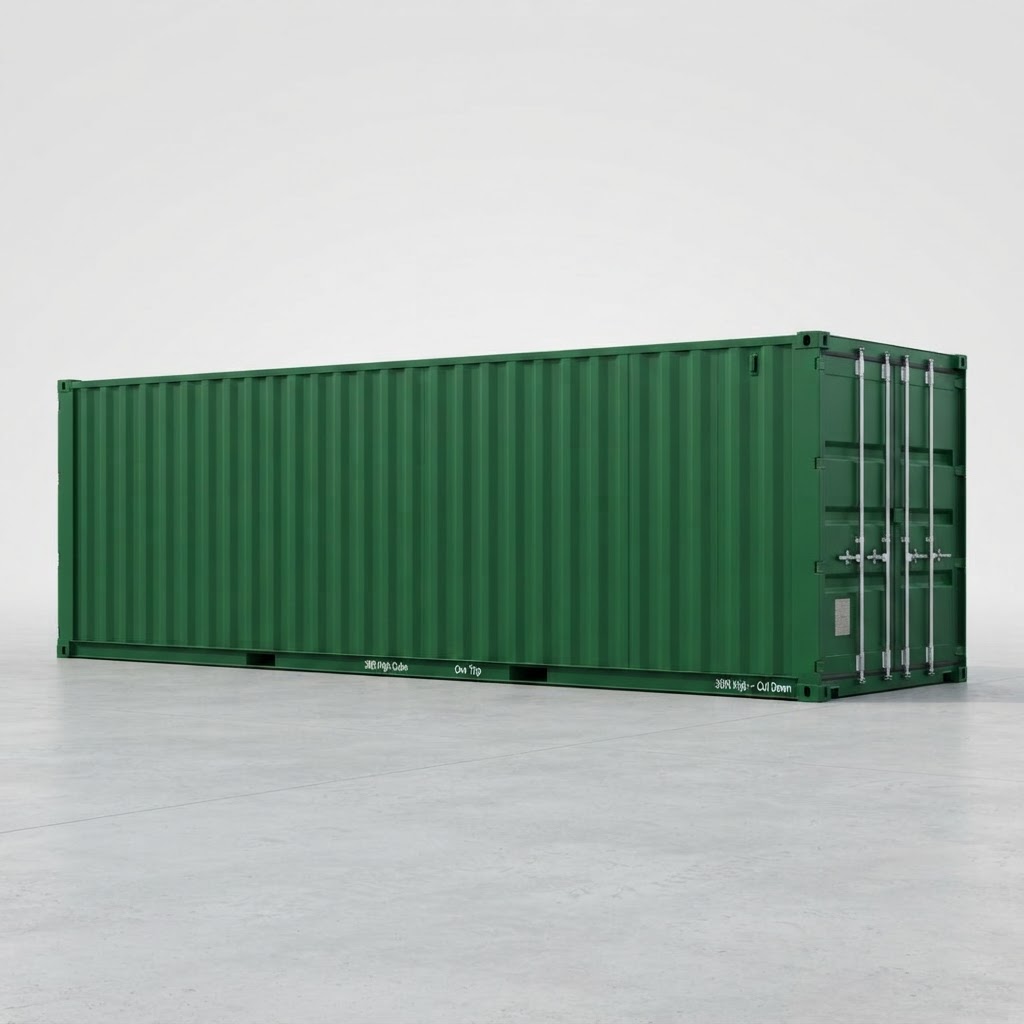
A 30ft shipping container offers more room than a 20ft unit without the full footprint of a 40ft container. Learn what to verify before ordering.
Choosing between a compact container and a full-size unit is not always straightforward. A 20ft container may feel too small, while a 40ft container may require more space than your property or delivery route can provide.
A 30ft shipping container offers a practical middle-ground solution. It provides additional floor space for storage, equipment or conversions without requiring the complete footprint of a 40ft unit.
However, 30ft containers are less standardized than conventional 20ft and 40ft freight containers. Buyers should confirm the exact dimensions, construction method, lifting points, condition and intended use of the individual unit before ordering.
Browse CargoVault’s 30ft shipping containers to compare current configurations.
Quick Answer: Is a 30ft Shipping Container Worth It?
A 30ft container may be worthwhile when:
- A 20ft container does not provide enough capacity
- A 40ft unit is too long for the property
- You need room for shelving and a central walkway
- Storage must be divided into separate zones
- The unit will become a workshop or office
- Delivery access can accommodate a medium-length container
- You want more flexibility without moving directly to a 40ft unit
The main limitation is that 30ft containers are not as standardized or widely available as 20ft and 40ft units. Their specifications must therefore be checked carefully.
What Is a 30ft Shipping Container?
A 30ft shipping container measures approximately 30 feet in exterior length. It is commonly used for:
- Commercial storage
- Construction equipment
- Agricultural supplies
- Workshops
- Business inventory
- Residential storage
- Portable offices
- Custom conversions
- Equipment-rental inventory
Some 30ft units are purpose-built, while others are professionally produced by shortening a larger container.
Because manufacturing methods vary, buyers should confirm:
- Exact exterior dimensions
- Finished interior dimensions
- Door-opening dimensions
- Standard or High Cube height
- Empty weight
- Floor capacity
- Lifting points
- Corner-casting positions
- Structural modifications
- Suitability for transportation
- Stacking restrictions
- Certification status
A 30ft storage container should not automatically be treated as a standard international freight container.
Typical 30ft Container Dimensions
The exact dimensions of a 30ft container depend on how it was manufactured. Many units retain the common 8ft exterior width and may be available in standard-height or High Cube configurations.
| Measurement | Typical planning figure |
| Exterior length | Approximately 30ft / 9.144m |
| Exterior width | Commonly approximately 8ft / 2.438m |
| Standard exterior height | Commonly approximately 8ft 6in / 2.591m |
| High Cube exterior height | Commonly approximately 9ft 6in / 2.896m |
| Interior dimensions | Vary by construction and modifications |
| Door opening | Varies by original unit and door configuration |
| Tare and payload | Must be confirmed for the actual unit |
These measurements are planning estimates, not guaranteed specifications.
When fit is important, request written measurements for the actual unit. CargoVault’s shipping container dimensions guide explains how exterior, interior and door-opening measurements differ.
20ft vs 30ft vs 40ft Shipping Containers
| Requirement | 20ft container | 30ft container | 40ft container |
| Exterior length | Approximately 20ft | Approximately 30ft | Approximately 40ft |
| Availability | Widely available | More specialized | Widely available |
| Placement space | Lowest of the three | Middle-ground footprint | Largest footprint |
| Storage capacity | Moderate | Greater than 20ft | Highest of the three |
| Delivery access | Generally easier | Requires more access than 20ft | Usually requires the most space |
| Workshop potential | Compact workspace | Balanced workspace | Large workshop |
| Office conversion | Small office | Medium office | Larger or divided office |
| Standardization | Common freight size | Specifications can vary | Common freight size |
| Best suited for | Compact sites and moderate storage | Buyers needing extra space without a 40ft footprint | High-volume storage and larger conversions |
For smaller requirements, browse 20ft shipping containers.
Businesses requiring maximum floor space can compare 40ft shipping containers.
Read CargoVault’s 20ft vs 40ft comparison for additional size-planning guidance.
Why Choose a 30ft Container?
A 30ft shipping container may be suitable when:
- A 20ft unit does not provide enough capacity
- Your property cannot comfortably accommodate a 40ft container
- You need separate areas for tools, equipment and materials
- The container will be converted into a workshop or office
- You want additional room for shelving and a central walkway
- Delivery access is suitable for a medium-length unit
- Your business expects moderate inventory growth
- A 40ft unit would create unused space
- You need a balance between capacity and placement flexibility
Measure the proposed location and create a basic interior plan before deciding. The most useful size is the one that works with both the contents and the site.
Purpose-Built vs Cut-Down 30ft Containers
The construction method can affect how a 30ft container is lifted, transported, stacked and modified.
Purpose-Built 30ft Containers
A purpose-built unit is manufactured at approximately 30 feet rather than shortened from a larger container.
Its structural design, lifting points and ratings should be confirmed through the supplier’s specifications.
Cut-Down 30ft Containers
Some 30ft containers are created by professionally shortening a 40ft unit. The container is cut, reframed and closed with an appropriate end wall or door assembly.
A professionally completed conversion should consider:
- Structural reinforcement
- Roof and wall sealing
- Floor repairs
- Corner posts and castings
- Lifting arrangements
- Door alignment
- Corrosion protection
- Weather resistance
- Intended transportation
Ask how the unit was produced and whether it is intended only for stationary storage or can also be transported when loaded.
Common Uses for 30ft Shipping Containers
Commercial Inventory Storage
Retailers, wholesalers and service businesses can use a 30ft unit for:
- Surplus inventory
- Packaging supplies
- Seasonal stock
- Replacement parts
- Equipment
- Archived materials
- Online-order supplies
Shelving can create vertical storage while a central walkway keeps products accessible.
Construction Equipment
Contractors can store:
- Power tools
- Building materials
- Generators
- Safety equipment
- Small machinery
- Replacement parts
- Site supplies
A secure container keeps equipment close to the active work area and can reduce repeated transportation between the job site and a distant warehouse.
Read CargoVault’s guide to shipping containers for construction sites.
Agricultural Storage
A 30ft container can provide protected storage for:
- Farm tools
- Irrigation parts
- Seasonal equipment
- Packaging supplies
- Maintenance equipment
- Fencing materials
- Non-food inventory
Ventilation and moisture control should match the stored contents.
CargoVault’s guide to shipping containers for farms provides additional agricultural-storage guidance.
Workshops
The additional floor space provides room for workbenches, shelving and equipment while maintaining a usable walkway.
A workshop conversion may include:
- Personnel doors
- Roll-up doors
- Windows
- Electrical outlets
- Interior lighting
- Tool storage
- Ventilation
- Insulation
- Workbenches
- Security equipment
Read the shipping container workshop guide before planning the interior.
Custom Offices
With suitable insulation, ventilation, electricity, doors and windows, a 30ft container can become a practical workspace.
The layout may support:
- Multiple desks
- A private office
- A meeting area
- Filing cabinets
- A kitchenette
- Equipment storage
- Separate office and storage zones
Explore CargoVault’s container homes and offices and read the shipping container office planning guide.
Standard Height or High Cube?
A standard-height container is generally approximately 8ft 6in high externally. A High Cube is approximately 9ft 6in high.
A High Cube 30ft container may be useful when the project requires:
- Taller machinery
- Higher shelving
- More comfortable office headroom
- Ceiling insulation
- Ventilation ducts
- Electrical services
- Air-conditioning equipment
- Additional internal storage volume
Browse CargoVault’s High Cube container category and read the High Cube shipping container guide.
Availability of 30ft High Cube units can vary, so confirm the exact specification.
Door and Access Options
A 30ft container may retain conventional end cargo doors or include additional access modifications.
Available configurations may include:
- Standard cargo doors
- Double-end or tunnel access
- Personnel doors
- Roll-up doors
- Side doors
- Open-side access
- Multiple storage-bay doors
Choose according to the size of stored items and how frequently different areas must be accessed.
CargoVault offers a 30ft shipping container with a roll-up door for buyers who need convenient everyday access.
Review the shipping container door-dimensions guide before ordering when machinery or equipment is close to the opening limits.
Used and Storage-Class 30ft Containers
A used 30ft container may offer practical value for stationary storage, but its condition should be carefully reviewed.
Common condition descriptions include:
- Cargo-worthy
- Wind and watertight
- Storage-class
- Refurbished
- One-trip or new
The meaning of these grades can vary between sellers. Request a written description of the condition and any known defects.
Browse CargoVault’s used shipping containers and read the cargo-worthy vs wind-and-watertight guide.
Features to Check Before Buying
Review the following details before placing an order:
- Door operation
- Rubber door seals
- Floor condition
- Roof and wall condition
- Evidence of leakage
- Significant corrosion
- Ventilation
- Locking points
- Interior measurements
- Door-opening measurements
- Available lifting points
- Structural modifications
- Empty weight
- Floor-load requirements
- Intended placement
- Transportation method
- Certification status
- Written warranty or condition guarantee
CargoVault’s guide on how to inspect a shipping container before buying provides a more detailed checklist.
Ventilation and Condensation Control
Temperature changes can cause condensation inside an unconditioned steel container.
The risk depends on:
- Climate
- Ground moisture
- Stored contents
- Ventilation
- Insulation
- Frequency of access
- Air movement
- Placement conditions
Possible measures include:
- Passive vents
- Powered ventilation
- Insulation
- Moisture-resistant finishes
- Shelving that permits airflow
- Pallets that keep goods off the floor
- Regular inspections
- Climate control for sensitive goods
Read CargoVault’s guide to preventing shipping-container condensation.
Accessories and Modifications
The right additions can make a 30ft container easier to use.
Possible accessories include:
- Shelving
- Ramps
- Lockboxes
- Heavy-duty locks
- Interior lighting
- Personnel doors
- Windows
- Tool-storage systems
- Ventilation
- Electrical outlets
Explore CargoVault’s container accessories and container modification services.
Structural cutting and electrical installations should be completed by qualified professionals.
Plan for Delivery
Measure the proposed location and confirm that the delivery truck has sufficient room to enter, turn, unload and leave safely.
Check for:
- Narrow gates
- Restricted roads
- Trees
- Fences
- Buildings
- Overhead power lines
- Soft ground
- Steep slopes
- Drainage ditches
- Parked vehicles
- Underground services
- Required door orientation
A 30ft container may require different delivery arrangements from standard 20ft or 40ft units. Confirm the equipment that will be used and the amount of straight-line clearance required.
Review CargoVault’s delivery information before finalizing the location.
Prepare a Stable Foundation
The placement area should be firm, level and properly drained.
Suitable support arrangements depend on:
- Container construction
- Ground conditions
- Intended load
- Local climate
- Future relocation
- Existing modifications
Poor support can cause the container to twist, making doors difficult to operate.
Keep soil, vegetation and standing water away from the underside. Read CargoVault’s site-preparation checklist for additional guidance.
Transportation, Lifting and Stacking
Do not assume that every 30ft container can be handled exactly like a conventional 20ft or 40ft ISO freight container.
Before transportation or lifting, confirm:
- Lifting-point locations
- Empty and loaded weight
- Structural reinforcement
- Suitable lifting method
- Trailer requirements
- Road-transport restrictions
- Whether cargo can remain inside
- Whether the unit is intended for repeated relocation
- Whether stacking is permitted
- Certification or inspection requirements
A qualified transport provider should approve the lifting and transportation plan.
What Affects the Price of a 30ft Container?
Pricing depends on:
- New, used or refurbished condition
- Purpose-built or cut-down construction
- Standard or High Cube height
- Door configuration
- Interior condition
- Structural repairs
- Paint and refurbishment
- Accessories
- Custom modifications
- Delivery distance
- Site access
- Current local availability
Compare the complete delivered price and written specifications rather than only the advertised container cost.
CargoVault’s guide to factors affecting shipping container prices explains these variables in more detail.
30ft Shipping Container Buying Checklist
Before ordering, confirm:
- Exterior dimensions
- Interior dimensions
- Door-opening dimensions
- Standard or High Cube height
- Purpose-built or cut-down construction
- Container condition
- Floor, roof and wall condition
- Weather resistance
- Empty weight and load requirements
- Lifting points
- Transportation restrictions
- Door configuration
- Ventilation and insulation
- Required accessories
- Planned modifications
- Delivery access
- Foundation requirements
- Local placement rules
- Future relocation plans
- Written warranty or condition guarantee
Frequently Asked Questions
Are 30ft shipping containers a standard size?
They are less standardized than conventional 20ft and 40ft freight containers. Some are purpose-built, while others are professionally shortened from larger units.
How wide is a 30ft shipping container?
Many are approximately 8 feet wide externally, but buyers should confirm the actual specification.
Are 30ft containers available as High Cubes?
Some 30ft High Cube units are available, but supply varies. Confirm the exterior height, interior height and door-opening measurements.
Can a 30ft container be transported with cargo inside?
It depends on the container’s construction, certification, weight, lifting points and transportation method. Obtain approval from a qualified transport provider.
Can a 30ft container be stacked?
Do not assume stacking is permitted. Purpose-built and cut-down units can have different structural designs. Request written specifications and professional guidance.
Is a 30ft container suitable for an office?
Yes, when professionally fitted with suitable insulation, ventilation, electricity, doors, windows and interior finishes.
How much does a 30ft shipping container cost?
The price depends on condition, height, door configuration, modifications, delivery distance and local availability. Request a delivered quotation for an accurate comparison.
Is a 30ft container easier to deliver than a 40ft container?
It may require less placement space, but delivery requirements depend on the truck, unloading method, access route and site conditions.
Is a 30ft Container Right for You?
A 30ft shipping container can provide a valuable balance between capacity and placement space. It is particularly useful for growing businesses, equipment storage, workshops and projects that need more flexibility than a smaller unit can provide.
Its less-standardized construction means buyers should pay close attention to dimensions, lifting points, condition and transportation requirements.
Browse CargoVault’s 30ft shipping containers, then request a custom quote to discuss available units, modifications and nationwide delivery.