
How to Choose the Right Shipping Container for Your Storage Need
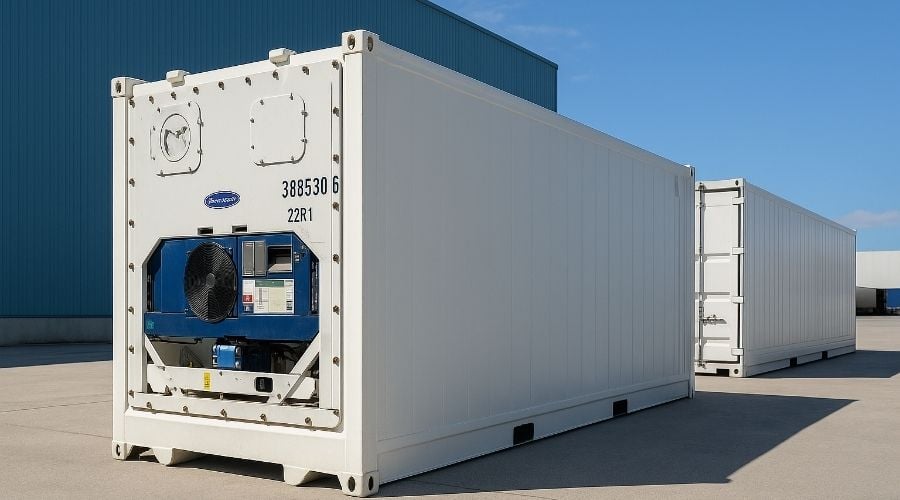
Learn how to choose the right shipping container for storage by comparing sizes, condition grades, access, security, ventilation, site preparation and delivery requirements.
How to Choose the Right Shipping Container for Storage
Shipping containers provide secure and flexible storage for businesses, construction sites, farms and homeowners. However, choosing the right shipping container involves more than deciding between a 20ft and 40ft unit.
The container must suit your available space, stored goods, access requirements, preferred condition, local climate and delivery location.
This guide explains how to choose a shipping container for storage without paying for unsuitable capacity or overlooking important site requirements.
1. Determine How Much Storage Space You Need
Begin by listing what you intend to store. Measure the longest, widest and tallest items and include space for shelving, pallets and safe movement.
| Storage requirement | Container to consider |
| Garden tools and compact household storage | 10ft container |
| Tools, household belongings and moderate inventory | 20ft container |
| More capacity without a full 40ft footprint | 30ft container |
| Large commercial inventory and equipment | 40ft container |
| Tall shelving or bulky equipment | High Cube container |
| Maximum high-volume storage | 45ft container |
A 10ft shipping container may suit restricted spaces and smaller storage requirements.
A 20ft shipping container provides substantial storage without requiring as much delivery space as a larger unit.
A 30ft shipping container offers a middle-ground option.
For larger inventories, machinery or commercial storage, a 40ft shipping container provides significantly more capacity.
Customers requiring additional vertical clearance can consider a High Cube shipping container.
Review CargoVault’s shipping container dimensions guide before choosing a size.
2. Match the Container to What You Will Store
Your intended contents should determine the container type.
Household Belongings
Furniture, documents, clothing and household goods need protection from moisture and water entry. A clean, wind-and-watertight unit with suitable ventilation may be appropriate.
Keep sensitive items raised from the floor and away from the walls.
Construction Equipment
Tools and building materials may require strong security, easy loading access and a durable floor.
Frequently used equipment should remain near the doors or be organized using suitable shelving.
Business Inventory
Businesses should consider:
- Inventory volume
- Collection frequency
- Shelving
- Packaging sensitivity
- Security
- Temperature requirements
- Future growth
CargoVault’s guide on organizing a shipping container explains how to create effective storage zones.
Temperature-Sensitive Products
Food products, flowers and other temperature-sensitive goods may require a refrigerated container rather than a standard dry container.
Confirm the operating temperature, electrical supply, maintenance requirements and backup plan.
Oversized Cargo
For equipment that cannot pass through standard cargo doors, consider:
- Open-top containers
- Flat rack containers
- Open-side access
- Professionally modified doors
Measure the cargo and clear opening before ordering. Read CargoVault’s container door-dimensions guide.
3. Choose Between New and Used Containers
Container condition affects appearance, expected wear and price.
| Condition | Common characteristics | Suitable applications |
| One-trip | Minimal wear and cleaner appearance | Offices, retail projects and appearance-sensitive storage |
| Cargo-worthy | Structurally assessed for cargo use at the time of inspection | Transport or secure storage, subject to current approvals |
| Wind and watertight | Intended to prevent ordinary wind and rain entry | Stationary storage |
| Storage-class | Seller-defined budget condition | Basic storage after written condition confirmation |
| Refurbished | Used unit with repairs or cosmetic improvements | Buyers wanting improved appearance at a lower cost than new |
Used shipping containers may have dents, scratches, surface rust and other signs of previous service, but a suitable wind-and-watertight unit can still provide dependable storage.
Read CargoVault’s cargo-worthy vs wind-and-watertight comparison.
4. Check Door Access and Loading Requirements
An item can fit inside a container but still be too large to pass through its doors.
Confirm:
- Clear door-opening width
- Clear door-opening height
- Cargo dimensions
- Added size from pallets and packaging
- Ramp or dock requirements
- Forklift clearance
- Threshold height
- Exterior door-opening space
Standard cargo doors work well for general storage. Buyers requiring frequent access may benefit from roll-up doors, personnel doors or open-side configurations.
CargoVault’s roll-up-door container guide explains the available access options.
5. Plan for Ventilation and Moisture Control
Temperature changes can create condensation inside an unconditioned steel container.
Moisture-sensitive goods may require:
- Passive or powered ventilation
- Insulation
- Climate control
- Raised pallets
- Shelving
- Sealed storage boxes
- Airflow around stored items
- Regular inspections
Do not place cardboard, furniture or fabrics directly against the walls or floor when moisture is a concern.
Read CargoVault’s guide on preventing shipping-container condensation.
6. Consider Security
A shipping container provides strong steel storage, but locks and site conditions still matter.
Security measures may include:
- Heavy-duty padlocks
- Lockboxes
- Interior lockable cabinets
- Exterior lighting
- Security cameras
- Alarm systems
- Controlled vehicle access
- Regular inspections
Browse CargoVault’s site security and safety products and review the guide on securing a shipping container against theft.
7. Check the Container Before Buying
Review:
- Roof and wall condition
- Doors and locking bars
- Rubber seals
- Floor condition
- Significant corrosion
- Previous repairs
- Interior odors
- Ventilation
- Identification markings
- Existing modifications
- Written condition guarantee
If you cannot inspect the container in person, request current photographs or a written condition report.
Use CargoVault’s shipping container inspection guide.
8. Prepare the Delivery Location
Before ordering, make sure the property has sufficient room for the container and delivery equipment.
Consider:
- Road and gate width
- Truck-turning space
- Overhead power lines
- Tree branches
- Soft ground
- Fences and buildings
- Drainage
- Final container orientation
- Space for the doors
- Underground services
Providing an accurate delivery ZIP code helps determine transportation availability and cost.
Review CargoVault’s delivery information before finalizing the location.
9. Prepare a Stable Foundation
Shipping containers should be placed on firm, level and properly drained ground.
The appropriate support system depends on:
- Container size
- Ground conditions
- Expected load
- Local climate
- Future relocation
- Planned modifications
Suitable options may include professionally specified concrete pads, piers or other stable supports.
Poor positioning can cause a container to twist and make the doors difficult to operate.
Use CargoVault’s site-preparation checklist.
10. Consider Future Storage Requirements
Buying slightly more capacity than you currently need can sometimes be more economical than purchasing another container later.
Ask:
- Is the business inventory growing?
- Will shelving be installed?
- Could the container become a workshop?
- Will additional equipment be purchased?
- Could insulation or interior finishes reduce the usable space?
- Is there room to add another container later?
A 40ft High Cube may provide better long-term flexibility than a standard 20ft unit when substantial growth is expected. However, paying for unused capacity is unnecessary when the storage requirement is unlikely to change.
Shipping Container Storage Checklist
Before buying, confirm:
- Container size
- Standard or High Cube height
- New, used or refurbished condition
- Intended contents
- Door-opening dimensions
- Interior measurements
- Floor and roof condition
- Ventilation and moisture control
- Shelving and organization
- Security requirements
- Delivery access
- Foundation preparation
- Local placement rules
- Future storage growth
- Complete delivered price
- Written condition guarantee
Frequently Asked Questions
What size shipping container is best for storage?
A 20ft unit suits many household and small-business applications. A 40ft container provides more capacity for commercial inventory and equipment. Available land and delivery access should also influence the decision.
Should I buy a new or used shipping container?
Choose a one-trip container when appearance and minimal wear matter. A properly described used container may provide better value for stationary storage.
Are used shipping containers waterproof?
Used containers are often described as wind and watertight rather than completely waterproof. Inspect the roof, walls, doors and seals before storing moisture-sensitive goods.
Do shipping containers need ventilation?
Ventilation may be necessary when condensation, temperature or stored-product sensitivity is a concern.
What foundation does a shipping container need?
The container needs firm, level and adequately drained support. The correct foundation depends on its size, weight, contents and ground conditions.
Can I store furniture in a shipping container?
Yes, but furniture should be protected from moisture, raised from the floor and stored with adequate airflow.
How much delivery space is required?
Requirements depend on the container length, delivery vehicle, unloading method and site conditions. Confirm the space with the supplier before ordering.
Find the Right Container for Your Storage Needs
The best shipping container depends on your available space, budget, stored contents, preferred condition and delivery location.
CargoVault Containers offers multiple sizes and configurations for residential, commercial, agricultural and construction storage.
Browse CargoVault’s container categories, then request a custom quote with your preferred size, condition, delivery ZIP code and intended use.