
Shipping Container Storage for Small Businesses
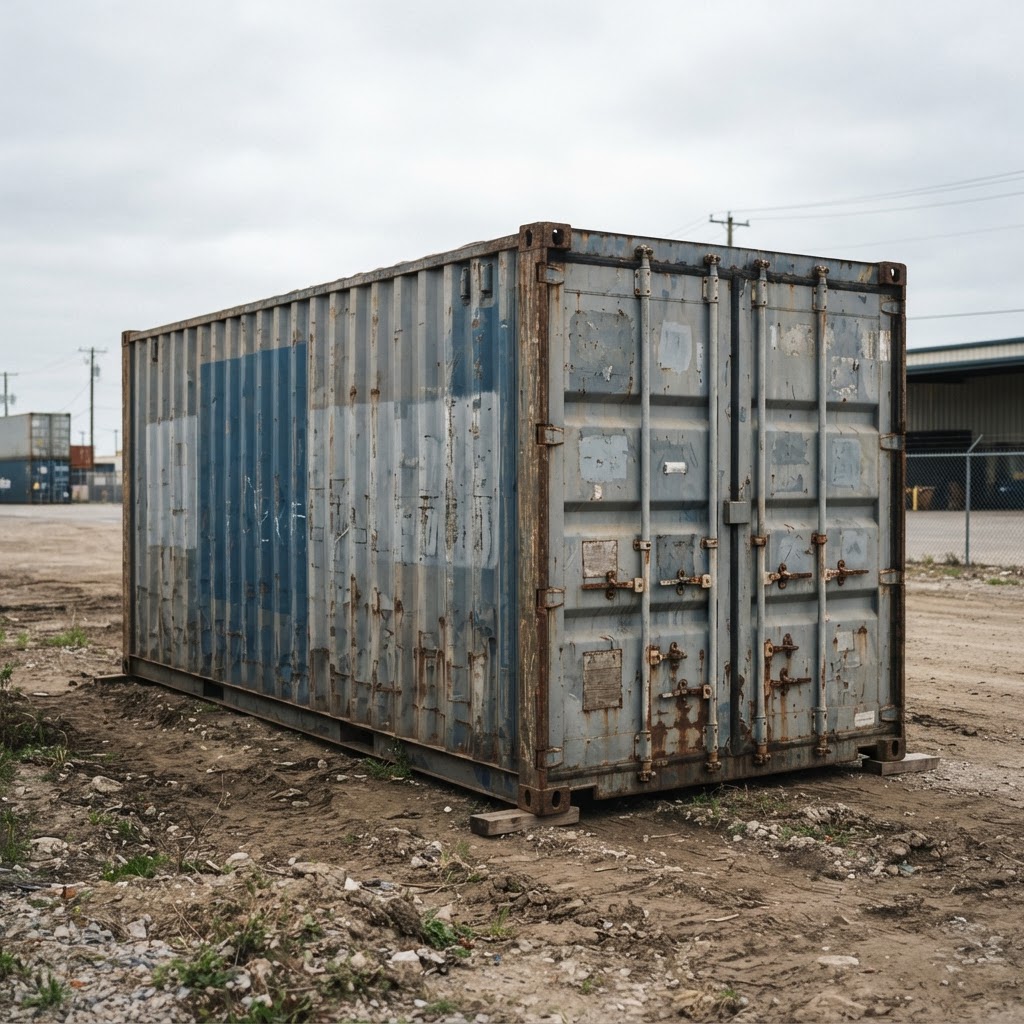
Learn how small businesses can use shipping containers for secure inventory, tools and equipment storage while planning size, access, organization and moisture control.
Shipping Container Storage for Small Businesses: A Practical Guide
Small businesses often need additional space before they are ready to lease a larger warehouse or expand their existing building.
A shipping container can provide secure on-site storage for inventory, tools, equipment, furniture, supplies and seasonal materials. It can be positioned near the business, organized around daily operations and modified with features such as shelving, lighting, ventilation and alternative door systems.
However, choosing the right business storage container requires more than comparing prices. Container size, condition, delivery access, moisture control, security and the type of goods being stored all matter.
This guide explains how small businesses can plan practical shipping container storage.
Are Shipping Containers Good for Business Storage?
Shipping containers can be suitable for many business-storage requirements when the unit is clean, structurally sound, properly positioned and appropriate for the stored goods.
Potential advantages include:
- Secure steel construction
- On-site access to inventory
- Different container sizes
- Relocatable storage
- Lower commitment than constructing a permanent building
- Options for shelving and lighting
- Protection from wind and rain
- Space for tools, equipment and seasonal stock
- Flexible access-door configurations
- Opportunities for future modification
An ordinary storage container does not automatically provide climate control, fire-rated storage or approval for hazardous materials. The storage plan must match the products and local requirements.
Begin with the shipping container storage buyer’s guide if you are still comparing general options.
Which Businesses Can Use Shipping Container Storage?
A wide range of businesses can benefit from additional on-site storage.
Retail and E-Commerce Businesses
Retailers may use containers for:
- Seasonal merchandise
- Packaging supplies
- Store displays
- Overstock
- Nonperishable inventory
- Event equipment
- Promotional materials
Inventory sensitive to heat, cold or humidity may require insulation or mechanical environmental control.
Construction and Trade Businesses
Contractors, electricians, plumbers and other trades may store:
- Hand tools
- Power tools
- Generators
- Building materials
- Safety equipment
- Replacement parts
- Job-site supplies
Security and convenient daily access are especially important when expensive tools are stored inside.
Landscaping and Property-Maintenance Businesses
Containers can provide space for:
- Lawn equipment
- Hand tools
- Irrigation supplies
- Replacement parts
- Protective equipment
- Seasonal materials
Equipment should be clean and dry before storage. Fuel, chemicals and batteries must be handled according to manufacturer instructions and applicable safety requirements.
Event and Hospitality Businesses
Event companies may store:
- Tables and chairs
- Tents
- Decorations
- Staging equipment
- Signs
- Bar equipment
- Portable lighting
- Seasonal displays
An organized container can make it easier to separate equipment by event type or frequency of use.
Automotive and Repair Businesses
Repair businesses may need additional space for:
- Tires
- Nonhazardous replacement parts
- Tools
- Body panels
- Cleaning equipment
- Workshop supplies
Oils, fuels, compressed gas cylinders and other regulated products may require specialized storage rather than an ordinary dry container.
Farms and Agricultural Businesses
Farms may use containers for tools, replacement parts, irrigation equipment, packaging materials and selected supplies.
Food, seed, animal feed and temperature-sensitive agricultural products may require additional ventilation, pest control or environmental management.
Choose the Right Container Size
The right size depends on current inventory, expected business growth and available property space.
20ft Shipping Containers
A 20ft container may be suitable for:
- Small inventories
- Tools and trade equipment
- Compact business sites
- Limited delivery access
- Seasonal supplies
- Businesses testing on-site storage for the first time
Its smaller footprint may make it easier to position near an existing building.
40ft Shipping Containers
A 40ft container may be better for:
- Bulk inventory
- Large equipment
- Furniture
- Building materials
- Multiple storage zones
- Growing businesses
- Operations requiring shelving and access aisles
A 40ft container provides approximately twice the floor space of a 20ft unit but requires more delivery and placement space.
High Cube Containers
High Cube containers provide additional vertical space, making them useful for:
- Tall shelving
- Large equipment
- Stacked inventory
- Interior lighting and electrical systems
- Insulated storage
- Future conversion projects
Compare the capacities and delivery requirements in the 20ft versus 40ft shipping container guide.
Do not select a container that will be completely full on the first day. Leave room for aisles, organization and reasonable business growth.
Select the Appropriate Container Condition
Container condition can affect purchase price, appearance, maintenance and suitability for different inventory.
One-Trip Containers
One-trip containers have typically completed a single cargo journey after manufacture.
They usually have:
- Less corrosion
- Fewer dents
- Cleaner interiors
- Newer door seals
- Better exterior appearance
- Less previous cargo exposure
They may be appropriate when cleanliness, appearance and long-term use are priorities.
Cargo-Worthy Containers
Cargo-worthy containers are intended to meet the structural requirements for freight transportation at the time they are assessed.
International transportation may require a valid inspection and appropriate certification. Confirm current requirements with the carrier.
Wind and Watertight Containers
Wind and watertight containers are commonly selected for stationary business storage.
They should have:
- No holes
- Functional cargo doors
- Effective door seals
- A structurally sound floor
- Protection against wind-driven rain
They may show surface rust, dents, fading and previous repairs.
Review the available shipping container condition grades before choosing a unit based only on price.
Choose an Access Style
Standard cargo doors are not the only option for business storage.
Standard Cargo Doors
Standard double cargo doors provide a wide opening at one end and strong security when properly locked.
They work well when inventory can be arranged around a central aisle.
Double-Door Containers
Double-door or tunnel containers have cargo doors at both ends.
This configuration can help businesses:
- Separate incoming and outgoing inventory
- Reach stock from either end
- Create two storage zones
- Reduce the need to move goods near one entrance
Roll-Up Doors
Roll-up doors can provide quick access to frequently used tools and inventory.
Several roll-up doors may be added along the side of a larger container to create individual storage compartments.
Read the roll-up door shipping container guide before choosing this modification.
Open-Side Containers
Open-side containers allow a large section of the sidewall to open.
This can make loading pallets, furniture and wide equipment easier. The site must have enough space beside the container for the doors and loading activity.
Compare open-side and standard shipping containers to determine which access configuration suits the business.
Prepare the Placement Area
A business storage container should sit on firm, level and well-drained ground.
Poor placement can cause:
- Cargo doors to become difficult to operate
- Water to collect around the lower rails
- Ground settlement
- Frame misalignment
- Increased corrosion
- Unstable loading conditions
Possible placement options include compacted gravel, concrete pads or professionally designed supports. The appropriate solution depends on the soil, container, load and intended use.
The placement area should also provide safe access for employees, loading equipment and emergency personnel.
Use the shipping container site-preparation checklist before arranging delivery.
Confirm Delivery Access
A property may have enough room for the container but insufficient space for the delivery vehicle.
Check:
- Road and driveway width
- Gate openings
- Turning space
- Ground firmness
- Overhead wires
- Tree branches
- Fences and buildings
- Parked vehicles
- Slopes
- Space for unloading
- Delivery-equipment height
Share photographs, measurements and accurate placement instructions with the supplier.
Restricted sites may require a crane, side loader or other specialized equipment, which can affect the delivered price.
Design the Interior Before Loading
Plan the storage layout before inventory arrives.
A practical container layout may include:
- A clear central aisle
- Labeled shelving zones
- Space for large equipment
- Frequently used stock near the doors
- Slow-moving inventory toward the rear
- A receiving or returns section
- Safe lighting
- Ventilation equipment
- Emergency access
- Space for inspections
Avoid filling every available gap. Employees should be able to retrieve inventory without climbing over unstable boxes or unloading the entire container.
The guide on organizing a shipping container for maximum storage provides additional layout advice.
Install Suitable Shelving
Shelving can increase capacity by using the container’s vertical space.
Choose shelving based on:
- Inventory weight
- Package dimensions
- Frequency of access
- Container height
- Floor condition
- Required aisle width
- Loading equipment
- Seismic or local safety requirements
Shelves should be stable, correctly assembled and suitable for the expected loads.
Do not overload shelving or attach it to the container in a way that creates leaks, corrosion points or structural problems.
Keep heavy inventory on lower shelves and lighter products above.
Create an Inventory System
A shipping container is more useful when employees can find items quickly.
Inventory-control options include:
- Numbered shelving
- Labeled zones
- Barcode systems
- QR codes
- Digital inventory software
- Stock-location maps
- Color-coded categories
- Check-in and check-out records
For example, a location code such as B-03-02 could identify zone B, shelving unit 3 and shelf level 2.
Keep the inventory map outside the container or in a secure digital system. Do not depend on memory as stock levels increase.
Plan for Moisture and Temperature
A wind-and-watertight container can keep out rain while still developing condensation internally.
Temperature changes can cause moisture to form on the steel roof and walls. Condensation may damage:
- Cardboard packaging
- Paper records
- Electronics
- Metal tools
- Furniture
- Fabrics
- Wood products
- Product labels
- Replacement parts
Possible moisture-control measures include:
- Passive vents
- Powered ventilation
- Desiccants
- Dehumidifiers
- Insulation
- Heating or cooling
- Remote humidity monitoring
The correct solution depends on climate, stored goods, access frequency and electricity availability.
Use the shipping container ventilation and moisture-control guide when planning the interior environment.
Products requiring controlled temperatures may need a refrigerated container or another purpose-designed storage system.
Keep Goods Off the Floor and Walls
Raise suitable inventory on clean pallets, shelving or another stable storage system.
This can:
- Improve airflow
- Reduce contact with floor moisture
- Make inspections easier
- Help identify leaks
- Simplify cleaning
- Protect cardboard boxes
Leave a gap between sensitive inventory and the steel walls. Condensation can form on cold metal surfaces and transfer moisture to goods stored directly against them.
Do not block vents or drainage features.
Protect Business Inventory Against Theft
Security should be planned according to the value of the stored goods and the site.
Possible measures include:
- A welded lockbox
- A suitable container padlock
- Door-handle protection
- Security lighting
- Cameras
- Alarms
- Motion sensors
- Fencing
- Controlled employee access
- Asset marking
- Inventory records
- Appropriate insurance
Avoid keeping spare keys, access codes or complete inventory lists inside the container.
The shipping container security guide explains how layered security can provide stronger protection than relying on one lock.
Control Employee Access
Decide which employees are authorized to enter the container.
Create procedures for:
- Key or access-code management
- Opening and closing doors
- Recording removed inventory
- Reporting damage
- Maintaining clear aisles
- Checking ventilation equipment
- Locking the container after use
- Responding to water entry or pests
The cargo doors are heavy and should be operated by employees who understand the proper opening sequence.
Keep people clear of the door swing area, particularly in windy conditions.
Add Lighting Safely
Interior lighting can make inventory handling safer and more efficient.
Options may include professionally installed electrical lighting or suitable self-contained systems.
Electrical installations should:
- Follow applicable requirements
- Use components appropriate for the environment
- Avoid unprotected extension wiring
- Include safe cable routing
- Be protected from equipment damage
- Avoid creating roof or wall leaks
- Be completed by qualified professionals where required
Do not operate combustion-powered generators inside the container. Exhaust gases can create a dangerous environment.
Store Hazardous Materials Separately
An ordinary dry shipping container may not be appropriate for:
- Flammable liquids
- Fuel
- Compressed gas cylinders
- Corrosive chemicals
- Pesticides
- Explosive materials
- Products requiring regulated temperature control
- Materials that release hazardous vapors
These products may require fire-rated construction, spill containment, ventilation, separation distances, warning signs and regulatory approval.
Follow the product safety information and consult the relevant authority or qualified safety professional.
Never assume that a steel container automatically meets hazardous-material storage requirements.
Check Insurance and Local Requirements
Contact the appropriate local authority before installing a business storage container.
Possible requirements may address:
- Zoning
- Permits
- Setbacks
- Foundations
- Drainage
- Exterior appearance
- Fire-department access
- Electrical work
- Employee safety
- Hazardous materials
- Signs
- Temporary or permanent use
Confirm insurance coverage for:
- The container
- Stored inventory
- Theft
- Water damage
- Business interruption
- Employee access
- Storm damage
- Equipment stored outside the main building
Keep photographs, serial numbers and inventory records in a separate secure location.
Compare the Complete Cost
Do not compare containers by purchase price alone.
The complete business-storage cost may include:
- Container price
- Sales tax
- Delivery
- Site preparation
- Foundation or supports
- Crane or specialized unloading
- Shelving
- Ventilation
- Electrical installation
- Security equipment
- Permits
- Insurance
- Maintenance
- Future relocation
A larger or newer container may initially cost more but provide better long-term value when it avoids early replacement or immediate expansion.
Read about the factors affecting shipping container prices before setting a budget.
Common Business-Storage Mistakes
Buying Without Measuring the Site
The container and delivery vehicle both require sufficient space.
Selecting a Container That Is Already Too Small
Businesses should consider reasonable future growth as well as current inventory.
Storing Damp Goods
Wet equipment, pallets and packaging introduce moisture into the container.
Ignoring Inventory Organization
Unlabeled stock increases handling time and makes accurate inventory control difficult.
Blocking the Access Aisle
Employees need a safe route through the container.
Depending on One Basic Lock
High-value inventory benefits from layered security.
Installing Unapproved Electrical Wiring
Improvised wiring can create fire and shock hazards.
Storing Regulated Products Without Planning
Hazardous materials may require specialized storage systems and approvals.
Assuming Watertight Means Climate-Controlled
A container may keep out rain while experiencing significant temperature and humidity changes.
Small-Business Container Checklist
Before purchasing, confirm:
- The intended inventory is suitable for container storage
- The required size has been calculated
- The site has sufficient placement space
- Delivery equipment can access the property
- The ground is firm and well drained
- The container condition has been inspected
- The floor is suitable for the expected load
- The access-door configuration supports daily operations
- Shelving and aisles have been planned
- Moisture and temperature requirements are understood
- Security measures have been selected
- Employee-access procedures are established
- Local requirements have been checked
- Insurance coverage has been confirmed
- The complete delivered cost has been calculated
Frequently Asked Questions
Is a 20ft Container Large Enough for a Small Business?
A 20ft container may be sufficient for tools, moderate inventory, event equipment or seasonal supplies.
Businesses with bulk stock, large equipment or future growth may benefit from a 40ft container.
Can Electronics Be Stored in a Shipping Container?
Electronics can be sensitive to condensation, humidity and temperature extremes.
Environmental monitoring, insulation or climate control may be required. Follow the manufacturer’s storage recommendations.
Can a Container Be Used as Both Storage and a Workshop?
It may be possible to create separate storage and work areas, but ventilation, electrical safety, emergency access and available space must be considered.
Professional modifications may be required.
Do Business Storage Containers Need Permits?
Permit and zoning requirements vary by location and intended use.
Check with the relevant local authority before delivery.
Can Shelving Be Added to a Shipping Container?
Yes. Shelving can improve storage capacity and organization.
The shelves should be suitable for the intended loads and installed without damaging the container or creating water-entry points.
Are Stored Goods Automatically Covered by Business Insurance?
Not necessarily. Ask the insurer whether the container, stored goods and specific risks are covered.
Can a Business Relocate Its Storage Container?
Shipping containers can be moved, but the contents may need to be removed or secured, and professional transport equipment is required.
Confirm site access and transportation requirements before relocating a loaded container.
Create Storage That Supports Business Growth
A shipping container can provide secure and practical small-business storage when its size, condition and layout match the operation.
Choose a container with enough room for organized growth, prepare a stable site and develop a plan for moisture, security and employee access. Sensitive, temperature-controlled or hazardous products may require specialized storage rather than a standard dry container.
Browse CargoVault’s shipping container categories or request a quote to discuss a container for inventory, tools or equipment storage.